A Market Under Pressure
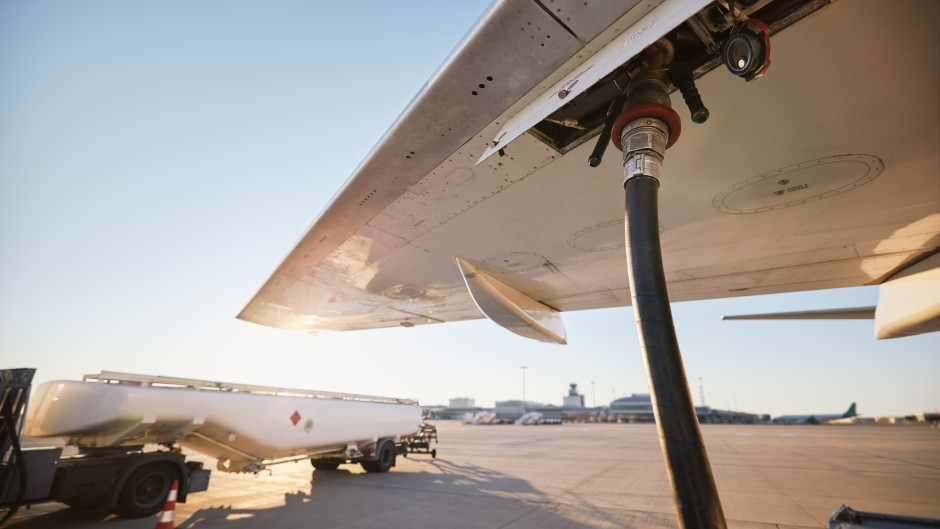
Airlines fuel—specifically jet fuel—has long been the lifeblood of global aviation. But in 2026, it has become the industry’s most volatile and defining variable. A sharp surge in fuel prices, driven largely by geopolitical tensions in the Middle East, is forcing airlines worldwide to rethink operations, cut flights, and pass costs onto passengers.
What was once a predictable operating expense has now turned into a strategic challenge with wide-reaching consequences for airlines, travelers, and the global economy.
The Shockwave: Why Jet Fuel Prices Are Surging
The current crisis traces back to escalating conflict involving the United States, Israel, and Iran, which has disrupted energy production and supply routes across the Middle East. Jet fuel prices have roughly doubled since the start of the war, triggering a ripple effect across the aviation sector.
At one point, benchmark European jet fuel prices climbed to $1,838 per tonne, compared to $831 before the conflict, marking an unprecedented increase.
A critical chokepoint is the Strait of Hormuz, through which a large portion of global fuel supply flows. Its disruption has sharply constrained availability, particularly in Europe, which relies heavily on Middle Eastern imports.
Energy experts have warned that the region may have only “maybe six weeks or so” of jet fuel supply remaining under worst-case scenarios.
Airlines Respond: Cuts, Charges, and Capacity Reductions
Faced with soaring fuel costs—often accounting for up to 25% of airline operating expenses—carriers are taking aggressive measures to protect their margins.
Flight Reductions
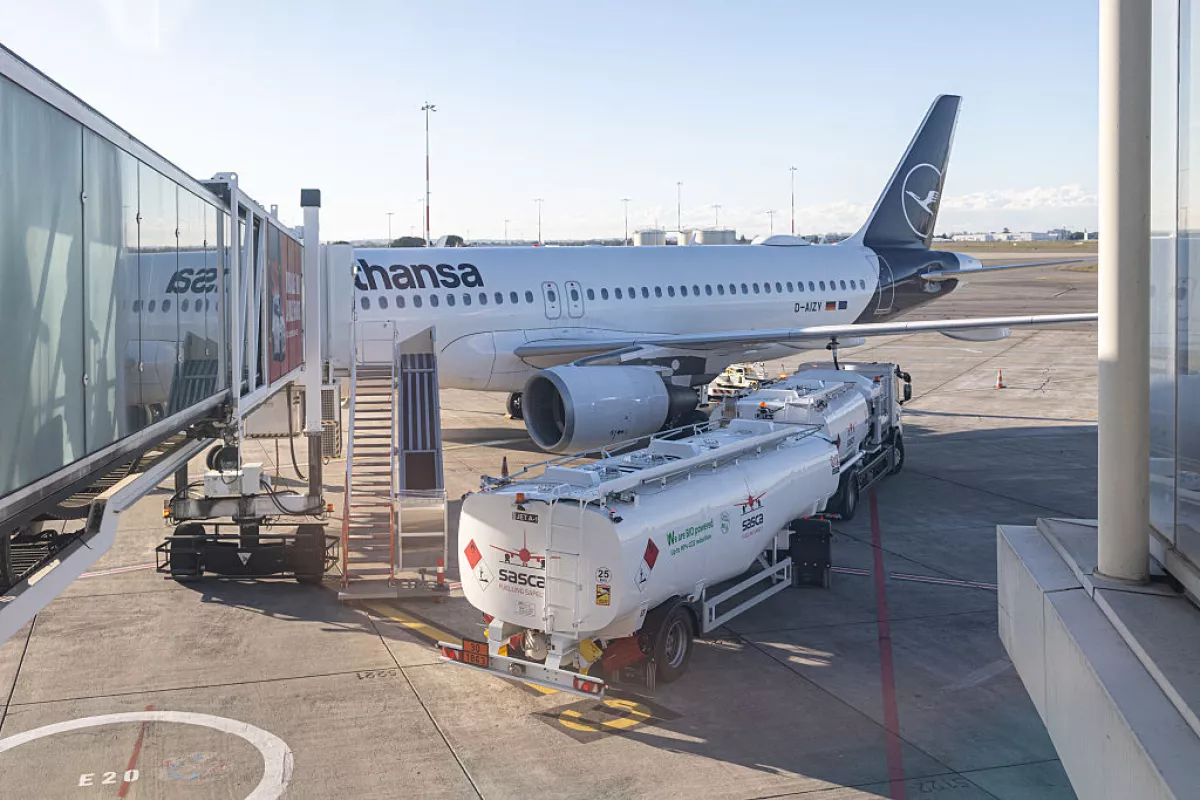
- Lufthansa has announced 20,000 flight cancellations, targeting unprofitable short-haul routes.
- Scandinavian Airlines (SAS) canceled 1,000 flights in April alone.
- Cathay Pacific and other Asian carriers have reduced capacity by several percentage points.
These cuts are often planned weeks in advance, giving travelers time to adjust but reducing overall travel options.
Rising Ticket Prices and Fees
Airlines are increasingly shifting the burden to consumers:
- United Airlines warned fares could rise by 15% to 20%.
- Air France-KLM is adding around €50 per long-haul round trip.
- Multiple carriers have increased baggage fees and introduced fuel surcharges.
As one industry expert put it, “It’s a triple whammy for airlines at the moment,” referring to rising costs, uncertain demand, and operational constraints.
Global Impact: From Europe to Emerging Markets
Europe: Most Vulnerable
Europe is particularly exposed, importing a significant portion of its jet fuel from the Middle East. With supply routes disrupted, airlines in the region face the highest risk of shortages and operational disruptions.
Officials have even discussed fuel rationing scenarios and coordinated distribution strategies to avoid severe shortages.
United States: Shielded, But Not Immune
U.S. airlines are relatively insulated due to domestic supply, but they are still feeling the pressure:
- Increased operating costs
- Lower profit forecasts
- Gradual capacity reductions
So far, they have avoided mass cancellations on the scale seen in Europe but continue to monitor the situation closely.
Developing Markets: Operational Strain
In countries like Nigeria, soaring fuel prices nearly forced a nationwide airline shutdown, highlighting the fragility of aviation systems in fuel-dependent economies.
The Passenger Experience: Higher Costs, Fewer Choices
For travelers, the airlines fuel crisis translates into a more expensive and less flexible travel environment.
What Travelers Are Facing
- Higher ticket prices across most routes
- Reduced flight availability, especially during peak seasons
- Additional fees, including baggage and fuel surcharges
- Increased uncertainty, particularly for long-haul travel
At the same time, demand for travel remains strong due to events like global sporting tournaments and the summer holiday season, amplifying the strain on the system.
Despite concerns, experts suggest that most planned trips will still proceed, though at higher costs and with fewer options.
Industry Outlook: No Quick Fix
The aviation sector is bracing for prolonged volatility. Analysts warn that as long as geopolitical tensions persist and energy infrastructure remains disrupted, jet fuel prices are likely to stay elevated.
“There’s no quick fix,” one economist noted, pointing to sustained damage in energy systems and ongoing uncertainty.
Airlines are exploring several strategies to navigate the crisis:
- Fuel hedging to lock in prices
- Route optimization to eliminate inefficiencies
- Operational cost-cutting
- Alternative fuel sourcing from regions like the U.S. and Africa
Conclusion: Fuel at the Center of Aviation’s Future
Airlines fuel has moved from being a background operational cost to the defining force shaping the aviation industry in 2026. The current crisis underscores just how vulnerable global air travel is to geopolitical disruptions and energy market volatility.
While airlines are adapting through pricing strategies and capacity adjustments, the long-term solution may lie in diversification—both in fuel sources and in emerging technologies like sustainable aviation fuels.
For now, passengers and airlines alike must navigate a new reality: one where the cost and availability of fuel dictate not just ticket prices, but the very structure of global travel.