For decades, South African shoppers associated Woolworths’ chocolate aisles with products made by Beyers Chocolates — from Chuckles to Sweetie Pie and a wide range of seasonal confectionery. Behind those familiar shelves stood a relationship that stretched back more than three decades.
Now, that partnership has ended in one of the most controversial supplier disputes South Africa’s retail industry has seen in years.
The collapse of Beyers Chocolates into liquidation has triggered a wider debate about the balance of power between large retailers and the manufacturers that depend on them. At the center of the controversy are allegations of aggressive exclusivity demands, supplier pressure, job losses, and questions about whether major retail chains wield too much influence over smaller businesses.
The dispute has also become deeply personal, with Beyers Chocolates founder Kees Beyers publicly accusing Woolworths of effectively “pulling the plug” on the company after 34 years of business together. Woolworths, meanwhile, has firmly rejected any suggestion that it acted unfairly.
A Chocolate Business Built Over Decades
Beyers Chocolates was founded in 1987 by Belgian chocolatier Kees Beyers after he moved to South Africa in 1985 and “fell in love with the country.” Over time, the company became one of South Africa’s best-known confectionery manufacturers.
By 1990, Beyers had begun supplying Woolworths. The partnership grew steadily over the next three decades.
According to Kees Beyers, Woolworths eventually accounted for as much as 75% of the company’s business at one stage. The relationship helped build a business generating roughly R650 million in annual turnover, with Woolworths contributing around R320 million of that revenue.
The manufacturer produced a large range of products for the retailer, reportedly supplying around 78 different chocolate items weekly. These included Chuckles, speckled eggs, chocolate-coated ginger, orange peel chocolates, cherry liqueurs, and other Woolworths house-brand products.
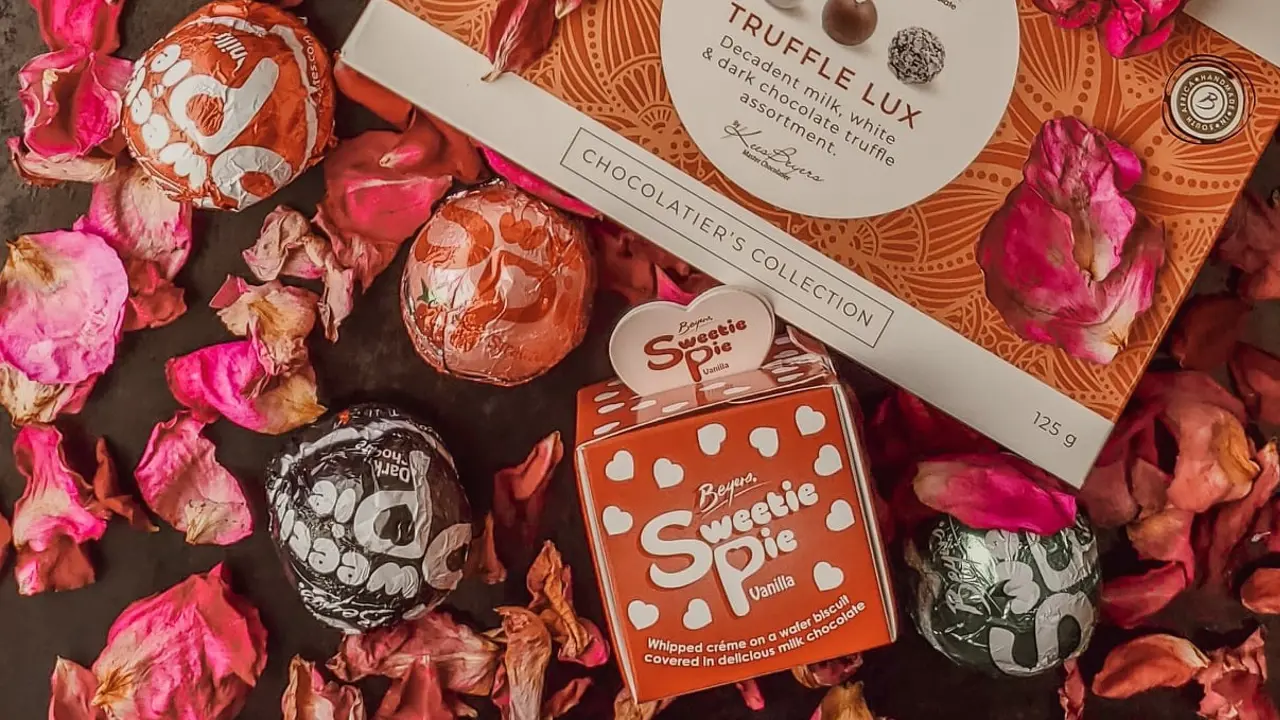
Beyers Chocolates also reintroduced Sweetie Pie to South Africa in 2014 after Cadbury discontinued the product the previous year.
For many consumers, the products became synonymous with Woolworths itself.
The Exclusivity Dispute That Changed Everything
The relationship began to unravel when Beyers Chocolates attempted to diversify its business.
Kees Beyers says the company became increasingly uncomfortable depending so heavily on a single customer. Around five years ago, Beyers purchased another chocolate factory that supplied products to competitors such as Checkers and Pick n Pay.
According to Beyers, the second factory operated separately, with its own team, packaging suppliers, and production systems. He insists Woolworths still retained product exclusivity for the items produced for its stores.
But Woolworths allegedly objected strongly to the arrangement.
Beyers claims Woolworths Food Commercial Director Chan Pillay demanded the closure of the second factory, warning there would be “consequences” if the business continued supplying rival retailers.
In one of the most explosive allegations to emerge from the dispute, Beyers said he was told:
“We’ve [previously] closed down factories for what you’re doing here.”
He further alleged that Woolworths executives later told him:
“We will use you as an example to other suppliers.”
The accusations have fueled public criticism of Woolworths and reignited broader concerns about supplier relationships in South Africa’s retail sector.
Woolworths Responds
Woolworths has strongly denied acting improperly.
In a statement provided to media outlets, the retailer said:
“Any implication that Woolworths acted unfairly is flatly denied.”
The company emphasized that its official relationship with Beyers ended in January 2025 after advance notice was reportedly given in September 2024. Woolworths also argued that Beyers Chocolates was not solely dependent on Woolworths for business.
The retailer added:
“We are deeply saddened to learn that Beyers is facing liquidation; this is an outcome that is extremely unfortunate but one for which Beyers, and Beyers alone, will need to take full responsibility.”
That wording attracted particular attention in public commentary, with critics arguing the statement appeared unusually forceful for a corporate response.
A Business Under Financial Pressure
The timing of the breakdown proved devastating for Beyers Chocolates.
Kees Beyers says the company had recently invested nearly R200 million into expanding the business and upgrading facilities. Woolworths was reportedly aware of the scale of that investment.
Once Woolworths withdrew its business, the debt burden became overwhelming.
The result was liquidation proceedings and massive job losses.
According to Beyers, the company employed roughly 700 full-time workers, with seasonal employment rising to around 1,000 people across four Gauteng factories.
The collapse has become symbolic of the risks faced by suppliers that become too reliant on dominant retail clients.
As Beyers himself put it:
“You can’t have all your chocolates in one shop.”
The Empty Shelves and Imported Chocolates
The fallout was visible to consumers almost immediately.
Beyers claims Woolworths struggled to replace many of the products quickly after ending the relationship, leading to empty shelves for several months.
He also criticized Woolworths for increasingly relying on imported chocolates rather than locally produced goods.
“A lot of the box chocolates now in Woolworths are imported,” Beyers said, noting that many products now come from Belgium.
According to him, only some former Beyers products have been replaced locally.
The dispute therefore extends beyond one company’s collapse. It also touches on concerns about local manufacturing, import dependence, and employment in South Africa’s food production sector.
The Competition Debate
The controversy has drawn attention to competition law and the power dynamics between retailers and suppliers.
Kees Beyers said the Competition Commission previously contacted him about the matter, though he claims officials indicated there was limited action they could take because Woolworths is not considered dominant in the broader retail market.
Beyers argues that market-share calculations miss an important reality: Woolworths may not dominate South African retail overall, but it was dominant within his company’s revenue structure.
This raises a broader policy question: should regulators evaluate power only at the national market-share level, or also at the supplier-dependency level?
Industry observers say the Beyers dispute highlights how retailers can exert enormous influence over manufacturers even without technically holding monopoly power.
The Ethics of Retail Power
Commentary surrounding the dispute has expanded beyond legal issues into ethics and corporate responsibility.
A Daily Maverick analysis questioned the contrast between Woolworths’ public branding around “ethical” and “sustainable” supply chains and the allegations made by Beyers.
The article argued that the pressures large retailers place on suppliers are often hidden from consumers, despite the polished image presented in stores.
The broader reality, analysts say, is that South Africa’s major supermarket chains aggressively compete on pricing and margins. That pressure often moves down the supply chain onto manufacturers.
Retailers want exclusivity, consistent pricing, innovation, and guaranteed supply. Suppliers, meanwhile, seek stability and diversification to reduce risk.
Those goals can collide — especially when one customer controls more than half of a supplier’s revenue.
Public Reaction and Consumer Sentiment
The dispute has triggered strong public reactions online.
Some consumers accused Woolworths of anti-competitive behavior, while others argued the retailer had a right to choose its suppliers. Comments on media reports included calls for Competition Commission scrutiny and even consumer boycotts.
Others focused on the loss of beloved products and the disappearance of familiar chocolates from Woolworths shelves.
For many South Africans, the story resonates because it combines several emotionally charged issues at once:
- job losses
- local manufacturing decline
- corporate power
- food nostalgia
- retail competition
- supplier vulnerability
The Sweetie Pie and Chuckles brands became more than confectionery products in this debate — they became symbols of a collapsing partnership.
Could Beyers Chocolates Return?
Despite the bitterness of the dispute, Kees Beyers has indicated he is still open to rebuilding the business.
He says discussions are underway with a potential investor interested in reviving operations.
Remarkably, Beyers also said he would still be willing to work with Woolworths again if circumstances changed.
“We’re open for business. Our door is open. I’m happy to talk.”
Whether that reconciliation ever happens remains uncertain.
But the dispute has already left a lasting mark on South Africa’s retail and manufacturing sectors.
More Than a Chocolate Story
The Woolworths-Beyers conflict is ultimately about far more than chocolate.
It is a case study in how modern retail supply chains operate, how dependency can become dangerous for suppliers, and how power imbalances shape commercial relationships.
For manufacturers, the lesson may be the importance of diversification.
For retailers, the controversy may serve as a warning about reputational damage when supplier relationships become public disputes.
And for consumers, the story offers a rare glimpse behind supermarket shelves — into the high-stakes negotiations, exclusivity agreements, and commercial pressures that shape the products they buy every day.
The future of Beyers Chocolates remains uncertain. But the debate sparked by its collapse is unlikely to disappear anytime soon.


