
Pick n Pay Faces New Retail Pressure as Discount Rivals Reshape Grocery Shopping in South Africa
South Africa’s grocery retail sector is entering a new phase of disruption, and Pick n Pay is finding itself at the center of a rapidly changing consumer landscape.
Long known as one of the country’s most recognizable supermarket chains, Pick n Pay is now navigating mounting pressure from rising living costs, changing consumer behavior, and the emergence of ultra-discount retail models that promise groceries at dramatically lower prices. At the same time, investor sentiment around the retailer has weakened, with its stock trading significantly below previous highs amid concerns about the broader South African economy.
The developments reflect more than just competition between supermarket brands. They point to a larger transformation in how South Africans shop, how retailers manage waste, and how companies position themselves during periods of economic strain.
A Retail Giant Under Pressure
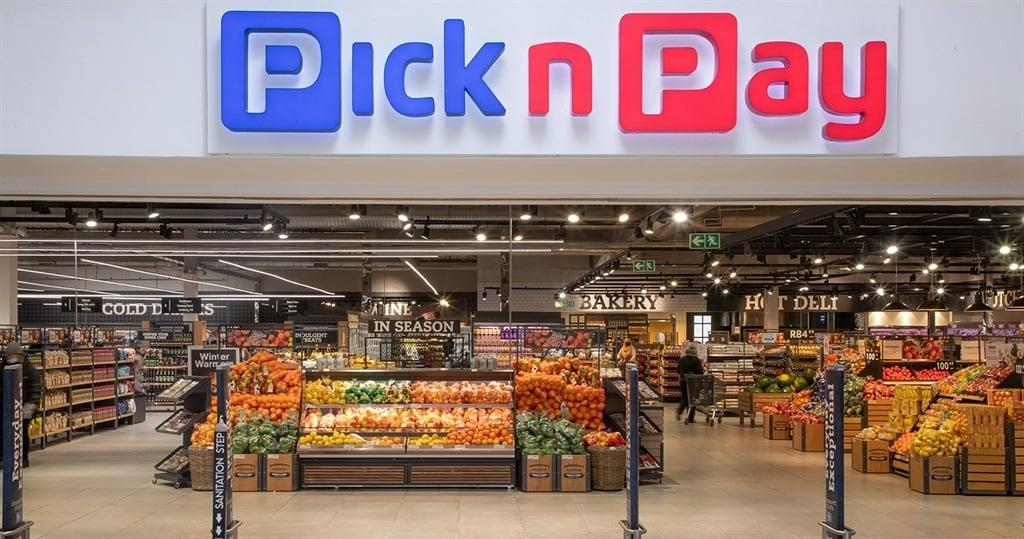
Pick n Pay remains one of the largest food and general merchandise retailers in Southern Africa, operating across South Africa, Namibia, Botswana, Zambia, and Mauritius. The company runs supermarkets, hypermarkets, convenience stores, and discount outlets under both the Pick n Pay and Boxer brands.
Its business model centers on providing everyday essentials, including food, clothing, household products, pharmaceuticals, and liquor. The retailer has also expanded into digital commerce, offering online ordering and delivery services to support its multichannel strategy.
However, despite its scale and brand recognition, Pick n Pay has faced increasing scrutiny from investors.
According to market data referenced in recent coverage, the company’s shares were trading around 2.68 ZAR on the Johannesburg Stock Exchange, roughly 23% below their 52-week peak. As of May 10, 2026, the retailer’s market capitalization stood at approximately 15.1 billion ZAR.
Analysts and investors have linked the pressure to weaker consumer spending conditions in South Africa, where inflation, high interest rates, and economic uncertainty continue to affect household budgets.
The Rise of Deep-Discount Grocery Platforms
One of the most notable new challengers in the grocery market is Still Good, an online platform selling discounted near-expiry and surplus products at prices reportedly up to 65% cheaper than traditional retailers such as Checkers, Pick n Pay, and Spar.
Launched in May 2025, the company said it saved shoppers nearly R4 million within its first six months of operation. The platform now works with more than 174 Pick n Pay, Spar, and Food Lovers Market stores, alongside several independent retailers.
Its rapid growth highlights the increasing demand for lower-cost shopping alternatives in South Africa.
Still Good CEO Steffen Burrows explained that the concept initially emerged from concerns about food waste in the retail sector.
“I spent a bit of time at Pick n Pay, and saw the big food waste problem that exists in retail. In some stores, 10% of the store’s food is wasted per day,” he said.
The business first focused on “mystery bags” containing unsold food nearing its sell-by date. Over time, it evolved into a broader online marketplace selling discounted groceries, toiletries, electronics, cosmetics, perfumes, and household goods.
According to Burrows, the products are often excess inventory or short-dated stock sourced from wholesalers and suppliers.
“Some of the stock is problematic in that they ordered too much or it’s short-dated on the food lines,” Burrows explained.
Why Consumers Are Changing Their Shopping Habits
The success of platforms like Still Good reflects broader economic realities facing South African consumers.
As food prices and household expenses continue to climb, shoppers are increasingly prioritizing affordability over traditional shopping habits. Discount-driven purchasing is no longer confined to lower-income communities. Interestingly, Burrows noted that many of Still Good’s largest orders come from affluent suburbs.
This suggests that bargain-focused shopping behavior is spreading across income groups.
The company’s business model also taps into growing awareness around sustainability and waste reduction. By reselling products that might otherwise be discarded, the platform positions itself as both cost-effective and environmentally conscious.
“It’s a win for the customer, a win for the manufacturer, and a win for the planet,” Burrows said.
That combination of affordability and sustainability is becoming increasingly attractive in modern retail markets worldwide.
Food Waste Becomes a Major Industry Issue
One of the most striking aspects of the current retail debate is the growing focus on food waste.
According to Burrows, some stores may waste as much as 10% of their food inventory daily.
Much of this waste is linked to confusion around “best before” dates. Burrows emphasized that consumers often misunderstand these labels.
“The best before date is when the product is at its best quality. It doesn’t mean you cannot use or sell it after that date,” he said.
This distinction is increasingly important as retailers, suppliers, and sustainability advocates look for ways to reduce unnecessary disposal of edible products.
Still Good’s model attempts to solve this challenge by creating a secondary marketplace for products nearing expiration while still remaining safe for consumption.
Pick n Pay’s Competitive Strategy
Despite the growing competition, Pick n Pay continues to maintain a significant presence in South Africa’s retail economy.
The company’s Boxer chain, in particular, has become an important strategic asset. Boxer focuses on lower-income and price-sensitive consumers by offering a narrower product selection at reduced price points.
The retailer also continues to invest in loyalty programs, online shopping infrastructure, and private-label products as it seeks to retain market share in a highly competitive environment.
Beyond groceries, Pick n Pay generates revenue through pharmacies, fuel stations, and financial-services partnerships, helping diversify its income streams.
However, the broader challenge remains clear: consumers are becoming more price-conscious, and discount competitors are gaining momentum.
The Technology and Delivery Shift
Technology is also playing a growing role in reshaping the grocery sector.
Still Good recently partnered with The Courier Guy’s nationwide locker system, allowing customers to collect purchases within 48 hours using secure PIN-based lockers.
The approach reduces delivery costs while increasing convenience for customers.
At the same time, established retailers like Pick n Pay have expanded their own digital and delivery operations to keep pace with changing shopping behavior. The pandemic-era acceleration of online grocery shopping continues to influence consumer expectations around speed, flexibility, and convenience.
Retailers that fail to adapt to these expectations risk losing relevance in an increasingly digital market.
Investor Concerns and Market Outlook
For investors, Pick n Pay represents both opportunity and risk.
The company remains deeply embedded in South Africa’s consumer economy and retains strong brand recognition across multiple African markets. However, analysts continue to monitor several economic pressures, including inflation, consumer spending weakness, interest rates, and currency volatility.
The retailer’s future performance may depend heavily on its ability to balance competitive pricing with profitability while responding to shifts in customer behavior.
Emerging competitors like Still Good are unlikely to replace traditional supermarket chains entirely, but they are redefining expectations around pricing, sustainability, and inventory management.
That creates a more complex retail environment where major players such as Pick n Pay must evolve quickly to protect both customer loyalty and investor confidence.
A Defining Moment for South African Retail
The developments surrounding Pick n Pay illustrate a broader transformation taking place across South Africa’s retail industry.
Consumers are demanding cheaper products, greater convenience, and more sustainable shopping practices. At the same time, economic pressures are forcing retailers to rethink pricing strategies, inventory management, and digital operations.
Pick n Pay remains one of the country’s dominant grocery brands, but the rise of discount-focused platforms demonstrates how quickly the competitive landscape can change.
Whether through improved efficiency, expanded discount offerings, or stronger digital services, the next phase of competition in South African retail may ultimately be defined by which companies can best meet the needs of increasingly cost-conscious shoppers.


