


Wordle Answer Today: Why “WAVER” Left So Many Players Stuck
Wordle players around the world woke up on May 14 to another deceptively difficult challenge. Puzzle #1790 looked straightforward at first glance, but many users quickly discovered that today’s answer created one of the game’s most frustrating scenarios: too many believable possibilities.
The solution for today’s Wordle was “WAVER.” Yet despite being a familiar English word, the puzzle managed to trap players deep into their guessing streaks because of its structure, rhyme patterns, and multiple valid-looking alternatives.
For daily Wordle fans, this puzzle was a reminder that difficulty is not always about obscure vocabulary. Sometimes the hardest Wordle answers are the simplest-looking ones.
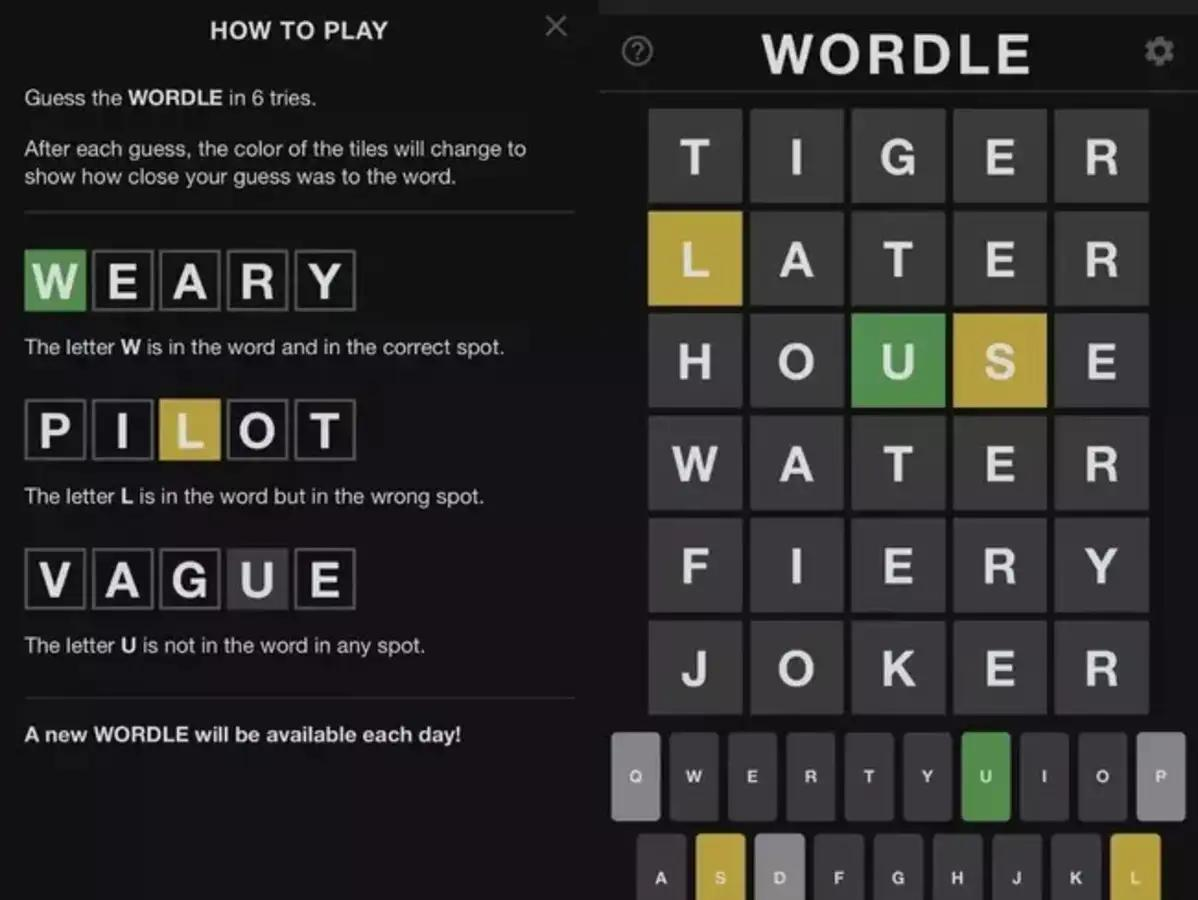
Why Today’s Wordle Was Surprisingly Difficult
At first glance, “WAVER” appears to be an ordinary five-letter word. It contains common letters, no unusual spelling, and a recognizable structure. But that familiarity became the puzzle’s biggest weapon.
Players who uncovered the letters A, E, and R early often found themselves trapped in what many Wordle enthusiasts call a “rhyme loop.” Multiple valid guesses fit the same pattern, making each attempt feel like a coin toss rather than logical deduction.
One of the most common traps identified by puzzle analysts was the word “WAFER.” Because it shares a nearly identical structure and is arguably more common in everyday conversation, many players reportedly wasted valuable guesses before arriving at the correct answer.
Gaming and puzzle sites described the challenge as a “confidence breaker,” especially for users attempting to maintain long winning streaks.
The Hints That Guided Players
Several clue-based breakdowns circulated throughout the day to help struggling players avoid losing their streaks. The hints included:
- The word means “didn’t hold steady”
- It begins and ends with consonants
- It contains two vowels
- It rhymes with “wafer”
Additional analysis highlighted the alternating consonant-vowel structure of the word, which made it rhythmically simple but strategically deceptive.
Another important clue revealed that the word started with the letter W, immediately narrowing the field for experienced players who understood Wordle’s pattern mechanics.
Today’s Official Wordle Answer
The answer to Wordle #1790 for May 14, 2026 was:
WAVER
The word “waver” means to hesitate, become uncertain, or move back and forth between choices or opinions. It can also describe physical swaying or unstable movement.
That dual meaning — emotional uncertainty and physical instability — helped make the puzzle memorable. Many players recognized the word instantly after solving it, even if getting there proved frustrating.
How Wordle Turned a Simple Word Into a Tough Puzzle
Modern Wordle strategy often revolves around probability. Players rely heavily on common letter combinations and familiar endings to narrow possibilities quickly. Today’s puzzle challenged that approach.
According to puzzle breakdowns, the issue was not identifying letters but choosing between several logical solutions once enough clues appeared on the board.
This kind of puzzle is particularly dangerous because every guess feels reasonable. Instead of obvious dead ends, players encounter a cluster of valid-looking answers:
- WAFER
- WAVER
- Other similar consonant-vowel combinations
That forces players into elimination tactics rather than pure deduction.
Experts noted that even strong opening words could leave users trapped in late-game uncertainty.
The Meaning and Origins of “Waver”
Beyond the gameplay challenge, today’s answer also carried an interesting linguistic history.
The word traces back to Middle English waveren, associated with swaying or fluctuating movement. Some etymological analysis also linked it to the Old Norse term vafra, meaning “to hover.”
Originally connected to physical motion, the word gradually evolved into a figurative expression describing hesitation or indecision. That transformation reflects a broader pattern in the English language, where physical actions become metaphors for emotional or psychological states.
Today, “waver” is commonly used in contexts involving:
- uncertainty
- hesitation
- changing opinions
- unstable commitment
- physical swaying
Comparing Today’s Puzzle to Recent Wordles
Many players compared today’s Wordle with the previous day’s answer: “DOWDY.”
Yesterday’s puzzle relied on obscure vocabulary and unusual letter placement, while today’s challenge leaned on familiarity and pattern confusion instead.
This contrast demonstrates one of Wordle’s most effective design strengths: difficulty can emerge from completely different mechanics.
Some recent answers included:
- DOWDY
- CLOCK
- NEWLY
- PARKA
- SATIN
Today’s “WAVER” stood out because it balanced accessibility with frustration — a combination that often creates the most talked-about puzzles.
Why Wordle Remains So Popular
Despite launching in 2021, Wordle continues to dominate daily online puzzle culture.
The game exploded in popularity because of its minimalist design and social sharing system. Players could post their results using colored emoji grids without revealing the answer, creating a universal daily conversation online.
The New York Times acquired Wordle in early 2022, and the game has since become one of the internet’s most recognizable daily rituals.
According to published figures, Wordle players collectively played the game 5.3 billion times in 2024, highlighting its massive and sustained popularity.
Its success also inspired an entire ecosystem of puzzle spinoffs and clones across multiple categories.
Expert Tips for Solving Tough Wordles
Today’s puzzle reinforced several strategies that experienced players often recommend:
Start With Strong Letter Coverage
Use opening words containing common vowels and consonants to maximize information early.
Beware of Rhyme Traps
Once you identify a pattern, avoid repeatedly guessing similar words without eliminating alternative starting letters first.
Consider Repeated Letters
Some Wordles include repeated characters, so don’t automatically rule them out.
Use Process of Elimination
When several answers fit the same structure, focus on removing possibilities rather than chasing exact solutions immediately.
Analysts also suggested using tools like WordleBot to evaluate decision-making and improve long-term strategy.
The Psychology Behind Wordle’s Appeal
Part of Wordle’s enduring success lies in how it creates emotional tension within a tiny daily experience.
A puzzle like “WAVER” demonstrates this perfectly. Players often feel close to the answer but become trapped by uncertainty — mirroring the actual meaning of the word itself.
That psychological push-and-pull keeps users engaged:
- confidence after discovering key letters
- frustration from multiple valid options
- relief after finally solving the puzzle
This emotional cycle helps explain why Wordle continues generating daily discussion years after its launch.
Final Thoughts
Today’s Wordle answer, “WAVER,” proved that familiar words can sometimes create the hardest puzzles. While the vocabulary itself was simple, the overlapping patterns and believable alternatives turned Puzzle #1790 into a frustrating late-game challenge for many players.
For some, it was a streak-saving triumph. For others, it became another reminder that Wordle’s true difficulty often comes from psychology, not complexity.
And tomorrow, the guessing starts all over again.


