
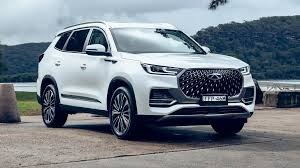
Chery’s Hybrid Push and Global Expansion: A Market Analysis
A New Chapter in Chery’s Global Strategy
Chinese automaker Chery is accelerating its international ambitions with a clear focus: hybrid and electrified vehicles tailored for diverse global markets. The latest move—launching the Chery Tiggo 7 HEV in Israel—signals not just a product rollout, but a broader strategy aimed at strengthening its footprint in competitive automotive regions.
The launch reflects how Chinese car manufacturers are transitioning from low-cost alternatives to technologically competitive players in the global automotive industry.
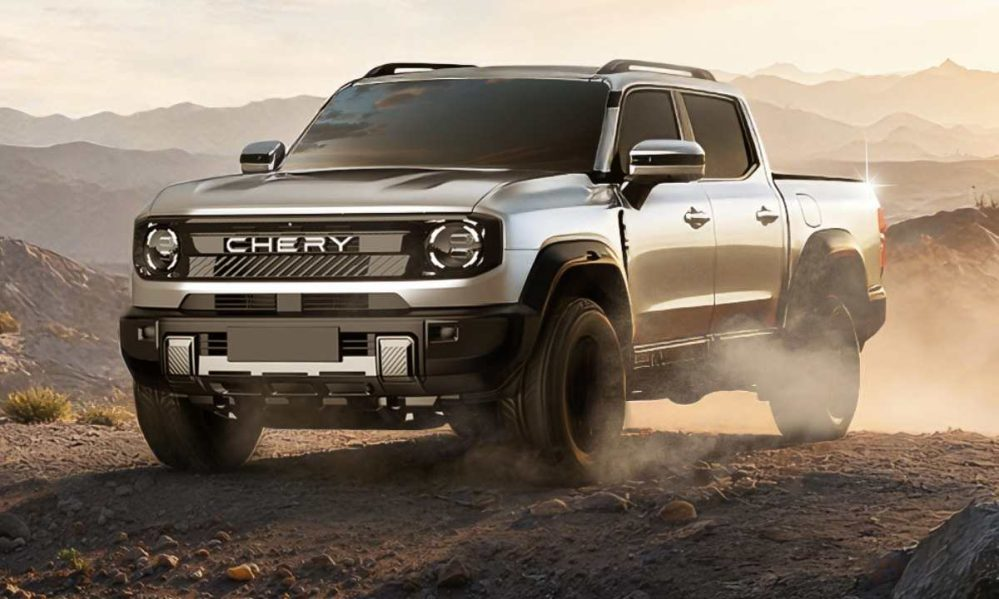
The Tiggo 7 HEV: A Strategic Product Launch
At the center of this expansion is the Chery Tiggo 7 HEV, a compact crossover SUV engineered to balance performance and efficiency.
The model features:
- A 1.5-liter gasoline engine paired with an electric motor
- A 1.8-kWh battery system
- Combined output of 246 horsepower
- A dedicated hybrid transmission (DHT) that seamlessly integrates engine and motor
- Acceleration from 0 to 100 km/h in 8.7 seconds
- A top speed of 175 km/h
This configuration places the Tiggo 7 HEV squarely in the fast-growing hybrid SUV segment, appealing to drivers who want improved fuel efficiency without fully transitioning to electric vehicles.
Beyond raw performance, Chery’s hybrid technology is part of a broader ecosystem. More advanced variants, such as the Tiggo 7 Super Hybrid, promise extended range—up to 1,200 km on a single tank and charge—highlighting the company’s push toward long-distance efficiency solutions.
Israel: A Strategic Gateway Market
Chery’s choice of Israel is not incidental. The country has become an increasingly important market for imported vehicles, especially electrified models.
The results speak for themselves:
- Chery ranked as the best-selling car brand in Israel in Q1 2026
- Total sales reached 21,521 vehicles across 11 models
- The lineup includes gasoline, hybrid, and fully electric vehicles
Even more telling is the broader trend:
Chinese automakers collectively delivered 39,127 vehicles in Israel, significantly outpacing competitors from South Korea and Japan.
This surge underscores Israel’s role as a testing ground for global expansion—particularly for brands offering competitive pricing and advanced electrification.
The Competitive Edge: Technology Meets Affordability
Chery’s rapid rise is built on a combination of factors that differentiate it from traditional automakers:
1. Hybrid Innovation
The company’s Dedicated Hybrid Transmission (DHT) system allows smoother transitions between electric and combustion power, improving both efficiency and driving experience.
2. Value Proposition
Compared to established brands, Chery vehicles often provide:
- More standard features
- Competitive pricing
- Advanced hybrid systems at lower cost
Industry reviews consistently highlight the Tiggo series for its “extensive list of standard equipment” and affordability, making it attractive to cost-conscious buyers.
3. Broad Product Portfolio
Chery’s lineup spans:
- Conventional gasoline vehicles
- Full electric cars
- Hybrid and plug-in hybrid SUVs
This multi-powertrain strategy allows the brand to adapt quickly to different regulatory and consumer environments.
A Broader Expansion Trend
The Israel launch is part of a larger global push. Chery now exports vehicles to over 80 countries and has sold millions of units worldwide, establishing itself as one of China’s most prominent automotive exporters.
In markets such as the UK and Southeast Asia, the company is rolling out:
- Hybrid SUVs like the Tiggo 7 and Tiggo 8
- New flagship models and plug-in hybrids
- Technology-focused vehicles targeting younger buyers
This expansion aligns with a wider industry shift: Chinese automakers are increasingly dominating international markets by offering electrified vehicles at competitive prices, challenging long-established brands.
Implications for the Global Automotive Industry
Chery’s growth reflects several key changes shaping the industry:
Electrification as a Standard
Hybrid vehicles are becoming a transitional technology for markets not yet fully ready for electric-only adoption.
Price Disruption
By delivering advanced features at lower prices, Chinese brands are forcing global competitors to rethink pricing strategies.
Market Diversification
Rather than focusing solely on Western markets, companies like Chery are targeting emerging and mid-sized economies where demand for affordable, efficient vehicles is rising rapidly.
What Comes Next for Chery?
Looking ahead, Chery’s trajectory suggests continued momentum in several areas:
- Expansion of hybrid and plug-in hybrid models
- Entry into additional global markets
- Increased investment in next-generation technologies, including longer-range electrification systems
- Strengthening of distribution networks through local partnerships
The company’s ability to scale production while maintaining competitive pricing will be critical to sustaining its growth.
Conclusion: From Challenger to Contender
Chery’s latest hybrid launch in Israel is more than a single product debut—it is a clear signal of the company’s evolving position in the global automotive landscape.
By combining hybrid innovation, aggressive pricing, and strategic market entry, Chery is moving from a regional manufacturer to a serious global contender. As competition intensifies and electrification accelerates, the brand’s ability to adapt and innovate will determine how far it can go in reshaping the future of mobility.


