

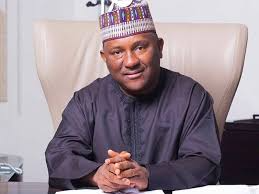
Abdul Samad Rabiu: Building Nigeria’s Industrial Backbone Through Cement, Growth, and Opportunity
A Narrative of Vision and Expansion
In the evolving story of Nigeria’s industrial growth, few figures stand as prominently as Abdul Samad Rabiu. A businessman, industrialist, and philanthropist, Rabiu has spent decades shaping one of Africa’s most diversified conglomerates while positioning Nigeria as a manufacturing powerhouse.
From modest beginnings in commodity trading to leading a multi-billion-dollar empire, Rabiu’s trajectory reflects a deliberate strategy: build local capacity, strengthen domestic industries, and create long-term economic value. Today, as chairman of BUA Cement Plc and founder of BUA Group, he continues to influence both market dynamics and national development.
From Kano Roots to Industrial Leadership
Born on August 4, 1960, in Kano, Nigeria, Abdul Samad Rabiu grew up in a business-oriented family. His father, Khalifah Isyaku Rabiu, was a prominent industrialist, laying an early foundation for Rabiu’s understanding of commerce and enterprise.
After studying economics at Capital University in Columbus, Ohio, Rabiu returned to Nigeria and took over aspects of the family business during a challenging political period. This early exposure to adversity would later shape his resilience and strategic thinking.
In 1988, he established BUA International Limited, initially focused on commodity trading—importing rice, edible oil, flour, and steel. Over time, this venture evolved into BUA Group, a conglomerate with interests spanning cement production, sugar refining, agriculture, infrastructure, and real estate.
The Rise of BUA Cement: A Strategic Pivot
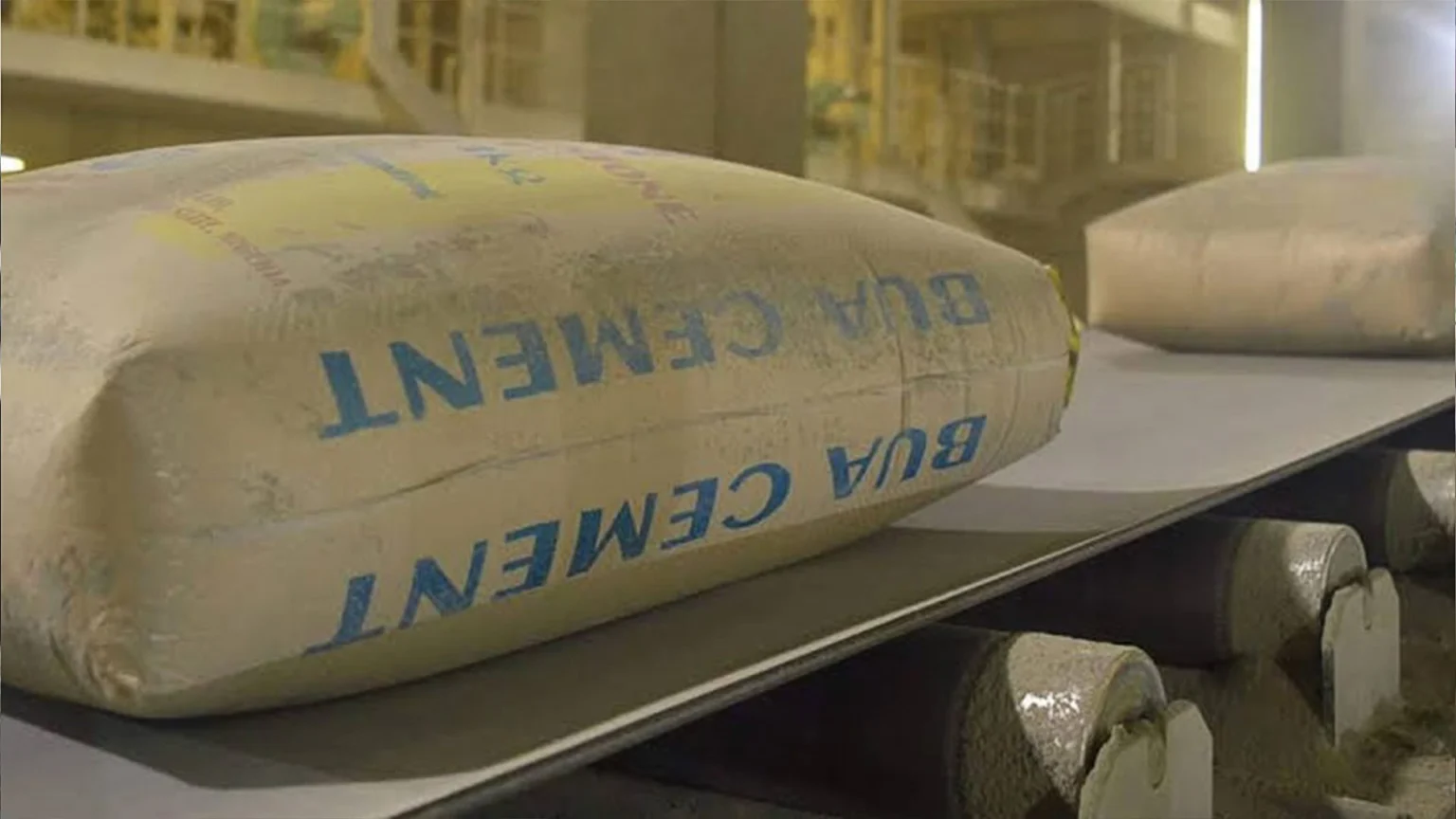
Rabiu’s move into cement marked a turning point. Recognizing the importance of infrastructure and construction in national development, he expanded aggressively into the sector. By acquiring stakes in existing cement companies and building new plants, BUA Cement emerged as one of Nigeria’s leading producers—second only to the industry leader.
His approach was not merely about market share; it was about reducing dependence on imports and strengthening local production capacity. Investments in large-scale plants, including facilities in Edo and Sokoto States, helped transform Nigeria’s cement landscape.
Distributors at the Heart of Growth
At the 2025 BUA Cement Distributors’ Awards in Lagos, Rabiu underscored a critical but often overlooked aspect of industrial success: distribution networks.
He emphasized that Nigeria’s rapidly expanding population is creating new opportunities for cement distributors to scale operations and deepen their reach.
Rather than viewing distributors as mere intermediaries, Rabiu framed them as essential contributors to national development. In his words:
“Their role goes beyond selling cement. They are key contributors to socio- economic development across the country.”
This perspective reflects a broader philosophy—economic growth is not just about production but about the ecosystems that sustain it.
Recognizing Excellence and Driving Performance
The Lagos awards ceremony was not just symbolic. It demonstrated how BUA Cement incentivizes performance across its value chain.
- 30 distributors were recognized
- Awards included cash prizes, SUVs, and CNG trucks
- Categories ranged from regional champions to market dominators
Such initiatives reinforce loyalty, encourage competition, and ensure consistent market penetration—key factors in a country as geographically and economically diverse as Nigeria.
Scaling for Demand: Expansion Plans in Motion
Rabiu’s optimism about Nigeria’s population growth is matched by concrete action. To meet rising demand, BUA Cement is pursuing significant expansion projects:
- Addition of Line 6 at the Sokoto plant
- Plans for a three-million-tonnes-per-annum facility in Ososo
These investments are designed to improve operational efficiency while increasing production capacity. Industry-wide, similar expansion efforts could push BUA Cement’s total capacity toward tens of millions of tonnes annually, reinforcing its position in the market.
Financial Momentum and Market Performance
The company’s growth trajectory is reflected in its financial results. BUA Cement recorded a 22.1% increase in revenue, reaching ₦355 billion in Q1 2026, up from ₦290.8 billion in the same period the previous year.
This growth is part of a broader pattern across BUA Group, where strong market performance, rising share values, and strategic investments continue to drive wealth creation and shareholder returns.
A Broader Economic Philosophy
Rabiu’s business philosophy extends beyond profitability. His investments consistently align with national priorities:
- Industrialization to reduce imports
- Infrastructure development to support growth
- Agriculture and food production to enhance food security
Through BUA Group, he has built an ecosystem that integrates production, logistics, and distribution—ensuring efficiency across sectors.
Philanthropy and Social Investment
Beyond business, Rabiu is also deeply involved in philanthropy. Through the Abdul Samad Rabiu Initiative for Africa (ASR Africa), he commits $100 million annually to social development projects in health, education, and infrastructure.
This dual focus—profit and purpose—positions him as both an industrialist and a development partner.
The Population Factor: Opportunity and Pressure
Nigeria’s population, now one of the fastest-growing in the world, presents both opportunities and challenges.
For Rabiu, it is a clear driver of demand:
- Increased housing needs
- Expansion of infrastructure
- Growth in urbanization
However, it also requires:
- Scalable production capacity
- Efficient distribution systems
- Sustainable pricing strategies
By aligning BUA Cement’s strategy with demographic trends, Rabiu is effectively betting on long-term demand growth.
Looking Ahead: Cementing the Future
As Nigeria continues to urbanize and industrialize, the role of companies like BUA Cement will only grow in importance.
Rabiu’s strategy—expanding capacity, strengthening distribution networks, and rewarding performance—suggests a long-term vision anchored in scale and sustainability.
His message to distributors is equally clear: the future belongs to those who can adapt, expand, and deliver value in a rapidly changing market.
Conclusion: A Legacy Still in Motion
Abdul Samad Rabiu’s journey is not just a story of wealth or corporate success—it is a case study in strategic industrialization. From trading commodities to building one of Africa’s largest manufacturing conglomerates, he has consistently aligned business growth with national development.
Today, as Nigeria’s population fuels new demand, Rabiu stands at the center of a critical economic transition—one where infrastructure, manufacturing, and distribution converge to shape the country’s future.


