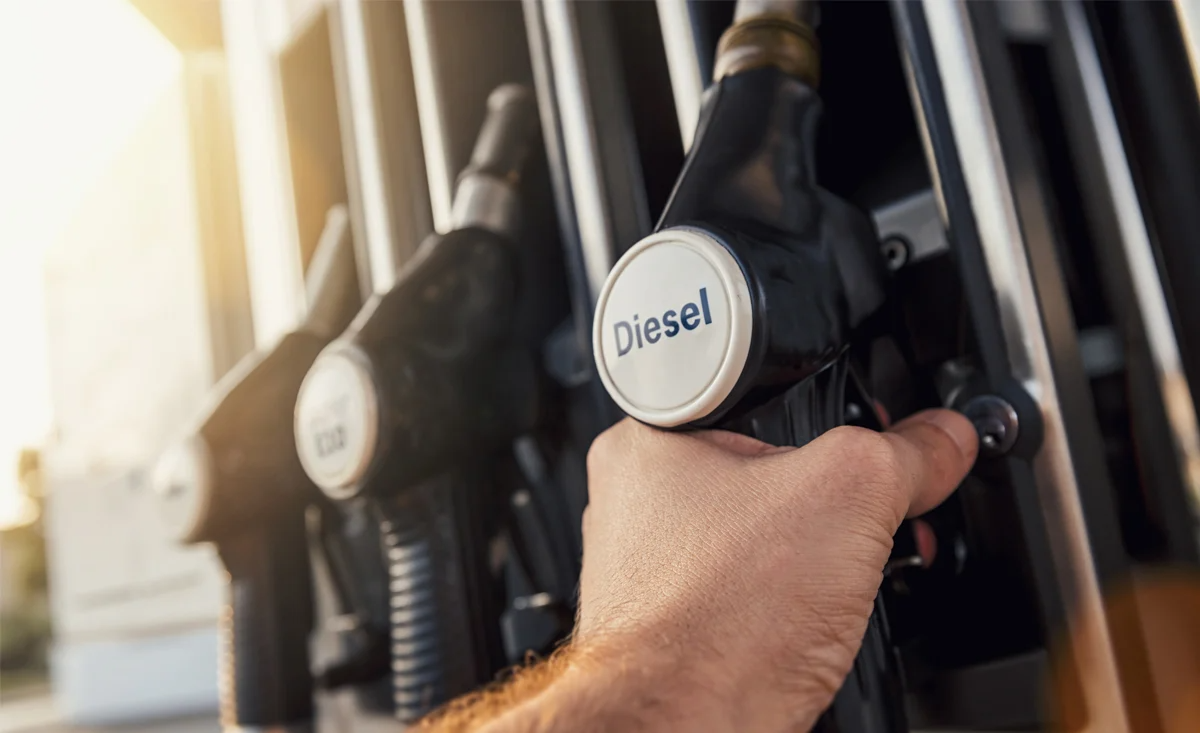
Why Fuel Prices Are Rising Again — A Deep Dive Into the May Shock
South African motorists are once again bracing for a significant fuel price hike, with both petrol and diesel expected to rise sharply in May. While recent data initially hinted at some relief, the broader picture reveals a complex interplay of global market pressures, local fiscal policy, and structural pricing mechanisms that continue to push fuel costs higher.
At first glance, the situation may seem contradictory: under-recoveries have improved dramatically, yet prices are still climbing. The explanation lies in what is driving those numbers—and what lies ahead for policy decisions.

The Latest Price Projections: What Drivers Will Pay
According to recent data, the expected increases are substantial:
- Petrol 93: +R1.82 per litre
- Petrol 95: +R2.14 per litre
- Diesel (0.005% sulphur): +R5.93 per litre
- Diesel (0.05% wholesale): +R5.92 per litre
- Illuminating paraffin: +R4.99 per litre
The most striking figure is diesel, which could rise by nearly R6 per litre, far outpacing petrol increases. This has major implications not only for private motorists but also for industries such as logistics, agriculture, and manufacturing, where diesel is a primary input cost.
What Are Under-Recoveries—and Why They Matter
To understand the price hike, one must first understand the concept of under-recovery.
Under-recovery refers to the gap between the actual cost of importing fuel and the regulated pump price in South Africa. When global fuel prices rise or the rand weakens, this gap widens—eventually leading to higher local prices.
At the start of the current pricing cycle (27 March to 30 April 2026):
- Petrol under-recovery stood at R7.88 per litre
- Diesel under-recovery reached R17.57 per litre
By late April, the situation improved dramatically:
- Petrol under-recoveries fell by about 73%
- Diesel under-recoveries dropped by more than 66%
Despite this improvement, the remaining gap still points to higher prices—just not as extreme as initially feared.
The Real Driver: Global Oil Prices Surge Again
The dominant factor behind the fuel price increase is not local—it is global.
Nearly 99.5% of the remaining under-recovery is attributed to international petroleum prices.
Oil prices have surged back above $100 per barrel, driven largely by geopolitical tensions in the Middle East, particularly concerns around the Strait of Hormuz, a critical global shipping route.
When oil prices rise globally:
- Import costs increase
- Refining costs follow
- Local pump prices adjust upward
South Africa, as a net importer of refined fuel, is especially vulnerable to these global shocks.
The Rand Factor: Stability Offers Limited Relief
Currency fluctuations often amplify or cushion fuel price changes. In this case, the South African rand has remained relatively stable, trading around R16.64 to the US dollar.
While this stability has prevented even steeper increases, it has not been enough to offset the surge in global oil prices.
In simpler terms:
- A weaker rand would have made things worse
- A stronger rand might have softened the blow
But current levels leave South Africa exposed to international price movements.
The Fuel Levy Question: A Critical Turning Point
One of the most important—and uncertain—factors influencing the final price motorists will pay is the temporary fuel levy cut.
Earlier, the government introduced a R3 per litre fuel levy reduction to ease pressure on consumers. However, this relief is set to expire on May 6.
Finance Minister Enoch Godongwana has indicated that extending this relief is possible—but not guaranteed. Any extension would need to be budget-neutral, meaning:
- The government must find alternative revenue sources
- Or cut spending elsewhere
If the levy relief is removed, fuel prices could spike significantly higher than current projections.
If it is extended, the increase may remain moderate.
Why Diesel Is Rising Faster Than Petrol
A key feature of this price cycle is the disproportionate rise in diesel compared to petrol.
Several factors contribute to this:
- Global demand patterns
Diesel is heavily used in freight, shipping, and industrial activity, making it more sensitive to global supply disruptions.
- Refining and supply constraints
Limited refining capacity can drive diesel prices higher relative to petrol.
- Wholesale pricing dynamics
Diesel pricing structures differ slightly from petrol, often leading to sharper volatility.
The result is a scenario where businesses—especially those dependent on transport—face escalating operational costs.
Broader Economic Impact: Beyond the Pump
Fuel price hikes ripple through the entire economy.
1. Rising Cost of Goods
Transport costs increase, pushing up the price of:
- Food
- Consumer goods
- Construction materials
2. Pressure on Households
Higher fuel costs reduce disposable income, affecting:
- Commuting budgets
- Spending power
- Inflation expectations
3. Business Strain
Industries reliant on diesel—such as logistics and agriculture—face:
- Higher operating costs
- Reduced margins
- Potential price increases for consumers
South Africa’s fuel pricing system, which is regulated and influenced by global markets, means these effects are both immediate and widespread.
What Happens Next: Two Possible Scenarios
As May approaches, the final outcome hinges on policy decisions and global conditions.
Scenario 1: Levy Relief Extended
- Price increases remain moderate
- Government absorbs part of the cost
- Fiscal pressure increases
Scenario 2: Levy Relief Removed
- Full price increases hit consumers
- Petrol and diesel costs jump sharply
- Inflation risks intensify
In both scenarios, the underlying trend remains clear: fuel prices are structurally under pressure.
Conclusion: A Fragile Balance Between Relief and Reality
The latest fuel price outlook underscores a persistent challenge for South Africa: balancing short-term relief for consumers with long-term fiscal sustainability and exposure to global markets.
Even though under-recoveries have improved significantly, the combined weight of rising global oil prices, geopolitical uncertainty, and policy decisions on fuel levies means that motorists are unlikely to see meaningful relief anytime soon.
For now, South Africans face a familiar reality—fuel costs remain volatile, and the road ahead is anything but predictable.