


Samsung Galaxy S27 Series: A Turning Point or Another Iteration?
The Next Galaxy Era Begins with Questions
Samsung’s Galaxy S series has long defined the Android flagship landscape, setting benchmarks for design, camera innovation, and performance. Yet, as the industry accelerates into a new era of hardware and ecosystem integration, the upcoming Samsung Galaxy S27 series is shaping up to be one of the company’s most pivotal releases in years.
Early reports and supply chain leaks suggest a device that could break from tradition—both visually and technologically. From a possible camera layout overhaul to deeper integration of magnetic accessories and substantial hardware upgrades, the Galaxy S27 series may signal a shift in Samsung’s design philosophy. At the same time, uncertainty around costs and execution leaves open the possibility that this transformation could be delayed.
This is not just another flagship refresh. It’s a moment of strategic recalibration.
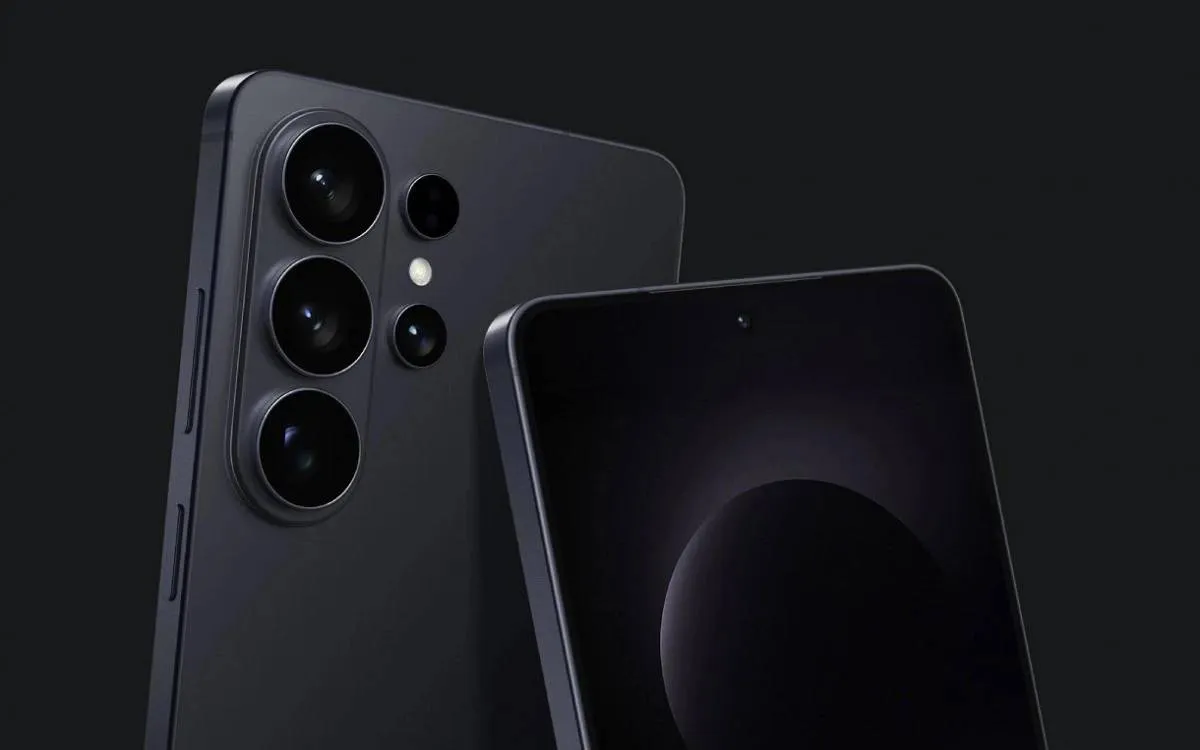
Breaking a Long-Standing Design Identity
A Radical Camera Placement Change
For years, Samsung has maintained a consistent camera layout—rear lenses positioned in the upper-left corner of the back panel, forming a recognizable visual identity across multiple generations. That consistency may finally be coming to an end.
Supply chain insights indicate that Samsung is evaluating a new camera placement for the Galaxy S27 series, marking one of the most significant design changes in its flagship lineup in recent memory.
This isn’t merely a cosmetic update. The redesign could fundamentally alter how the device is structured internally, hinting at deeper engineering changes rather than surface-level tweaks.
The Real Motivation: Qi2 Magnets and Ecosystem Integration
Moving Beyond Aesthetic Design
The rumored camera repositioning appears to be driven by a practical constraint: space for integrated magnets.
Samsung is reportedly exploring full adoption of the Qi2 wireless charging standard, which includes built-in magnets similar to Apple’s MagSafe system. Currently, Samsung devices rely on compatible cases to achieve magnetic alignment. The Galaxy S27 could eliminate that limitation by embedding magnets directly into the device.
This would enable:
- Seamless attachment of magnetic accessories
- Improved wireless charging alignment
- Cross-compatibility with existing MagSafe ecosystems
However, the current camera layout may physically interfere with proper magnet placement. Reconfiguring the camera module could therefore be necessary to enable this feature.
If implemented, it would mark Samsung’s most serious step toward ecosystem-level accessory integration, something Apple has dominated for years.
A High-Stakes Trade-Off: Innovation vs Cost
Why the Redesign May Not Happen—Yet
Despite the ambitious scope of these changes, there is a significant caveat: cost pressures.
Reports suggest that rising prices for RAM and storage components could force Samsung to reconsider its priorities. A full redesign involving both camera relocation and Qi2 magnet integration would increase production complexity and expenses.
As a result:
- The Galaxy S27 may retain its current design
- Qi2 magnets could be delayed to the Galaxy S28
- Samsung may opt for incremental updates instead of a bold overhaul
This tension between innovation and cost control reflects a broader industry challenge—balancing premium features with market competitiveness.
Camera Technology: Finally a Meaningful Leap?
Beyond Megapixels: The Rise of LOFIC
While the design changes remain uncertain, camera hardware improvements appear more concrete—especially for the Galaxy S27 Ultra.
Leaks point to the introduction of a new 200MP ISOCELL HP6 sensor, incorporating LOFIC (Lateral Overflow Integration Capacitor) technology.
Unlike traditional sensors, LOFIC enhances dynamic range by capturing excess light data rather than discarding it. The result is:
- Improved highlight retention
- Better performance in high-contrast scenes
- “Single-exposure HDR” capability
This marks Samsung’s first major camera hardware evolution since the Galaxy S23 Ultra, signaling a shift from incremental upgrades to meaningful innovation.
Expanded Camera Upgrades
The S27 Ultra is also expected to bring changes across multiple lenses:
- Main camera: New 200MP HP6 sensor
- Ultra-wide camera: Replacement sensor
- Front-facing camera: Potential upgrade to 24MP with improved autofocus
- Telephoto camera: Likely unchanged
This selective upgrade strategy suggests Samsung is prioritizing areas where it has fallen behind competitors, particularly in dynamic range and front-facing photography.
Performance and Battery: Closing the Gap
Next-Generation Silicon
The Galaxy S27 series is expected to be powered by the Snapdragon 8 Elite Gen 6, built on a 2nm process.
This advancement could deliver:
- Higher efficiency
- Improved AI processing
- Enhanced graphics performance
Combined with potential LPDDR6 memory support, the S27 could represent a significant leap in computational capability.
Battery Evolution
Another long-awaited improvement comes in battery technology. The S27 Ultra is rumored to feature a 5,500mAh silicon-carbon battery, up from 5,000mAh in previous models.
While still trailing some competitors pushing beyond 6,000mAh or more, this upgrade addresses a long-standing criticism and narrows the gap in endurance performance.
Strategic Context: Samsung Under Pressure
Competition is Intensifying
Samsung is no longer competing in a static market. Chinese manufacturers such as Xiaomi, vivo, and Oppo are rapidly advancing in areas like:
- Large sensor cameras
- Battery capacity
- Charging speeds
Meanwhile, Apple continues to dominate ecosystem integration through MagSafe and proprietary accessories.
The Galaxy S27 series sits at the intersection of these pressures, forcing Samsung to respond on multiple fronts simultaneously.
A Pattern of Incrementalism
Historically, Samsung has often delayed major changes, opting for gradual evolution rather than sudden transformation. This pattern raises a critical question:
Will the Galaxy S27 be a true redesign—or another transitional step?
Early indicators suggest both possibilities remain on the table.
What Comes Next?
A Fork in the Road
The Galaxy S27 series represents more than just another smartphone launch—it reflects Samsung’s broader strategic direction.
Two possible outcomes are emerging:
Scenario 1: Bold Reinvention
- New camera placement
- Integrated Qi2 magnets
- Upgraded camera system
- Stronger ecosystem positioning
Scenario 2: Conservative Upgrade
- Familiar design
- Incremental camera improvements
- Delayed Qi2 integration
- Focus on cost efficiency
The final decision will likely depend on how Samsung navigates supply chain costs and market expectations in the coming months.
Conclusion: A Defining Moment for Samsung’s Flagships
The Samsung Galaxy S27 series is shaping up to be one of the most closely watched smartphone releases in recent years—not because of what is confirmed, but because of what is at stake.
A redesigned camera system, integrated magnetic ecosystem, and meaningful hardware upgrades could redefine Samsung’s flagship identity. Yet, financial constraints and strategic caution may delay that transformation.
Either way, the S27 series is poised to reveal whether Samsung is ready to take bold risks—or continue refining a formula that, while successful, is increasingly under pressure.


