


Africa in Transition: Culture, Conflict, and the Continent’s Defining Moment
A Continent of Contrasts and Momentum
Africa today stands at a pivotal crossroads—defined by extraordinary cultural vibrancy, ambitious economic projects, and persistent political and humanitarian challenges. From the global rise of its music icons to large-scale infrastructure developments and urgent calls for social justice, the continent’s trajectory reflects both its immense potential and the complexities shaping its future.
Recent developments across Africa highlight this dual narrative: a continent celebrating creative excellence while grappling with governance issues, inequality, and conflict. Together, these stories offer a compelling portrait of a region in transformation.
Cultural Power: Africa’s Global Voice Grows Stronger
One of the clearest indicators of Africa’s global influence is its cultural output—particularly in music. Congolese superstar Fally Ipupa’s celebration of 20 years in the industry underscores how African artists are reshaping the global soundscape.
From his beginnings in Kinshasa to major performances in Paris, Ipupa has become one of Africa’s most recognized musical figures. His work represents a modern evolution of Congolese rumba, blending it with R&B, pop, and urban styles, helping to bring African music to a broader international audience.
This cultural export is more than entertainment—it is a form of soft power. African artists are redefining global perceptions of the continent, showcasing creativity, innovation, and identity in ways that transcend borders.
Infrastructure and Economic Ambition: Building Africa’s Future
Parallel to its cultural rise, Africa is investing heavily in infrastructure to unlock economic growth and regional integration. One of the most ambitious projects currently underway is Ethiopia’s $12.5 billion Bishoftu International Airport.
Located about 30 miles southeast of Addis Ababa, the project is described as “the largest aviation infrastructure project in Africa’s history.”
Scheduled to open its first phase by 2030, the airport will initially handle 60 million passengers annually, with plans to expand capacity to 110 million—potentially surpassing the world’s busiest airports.
The project aims to transform African aviation by reducing reliance on transit hubs outside the continent. Currently, many African travelers must connect through cities like London, Paris, or Dubai. By strengthening intra-African connectivity, the airport could play a crucial role in supporting the African Continental Free Trade Area (AfCFTA) and boosting trade.
However, such large-scale development also comes with challenges. Financing gaps remain, with $8 billion still to be secured, and concerns have emerged over the displacement of more than 15,000 people during construction.
These tensions highlight a recurring theme in Africa’s development story: balancing rapid modernization with social equity and governance.
Governance, Justice, and Human Rights: A Persistent Struggle
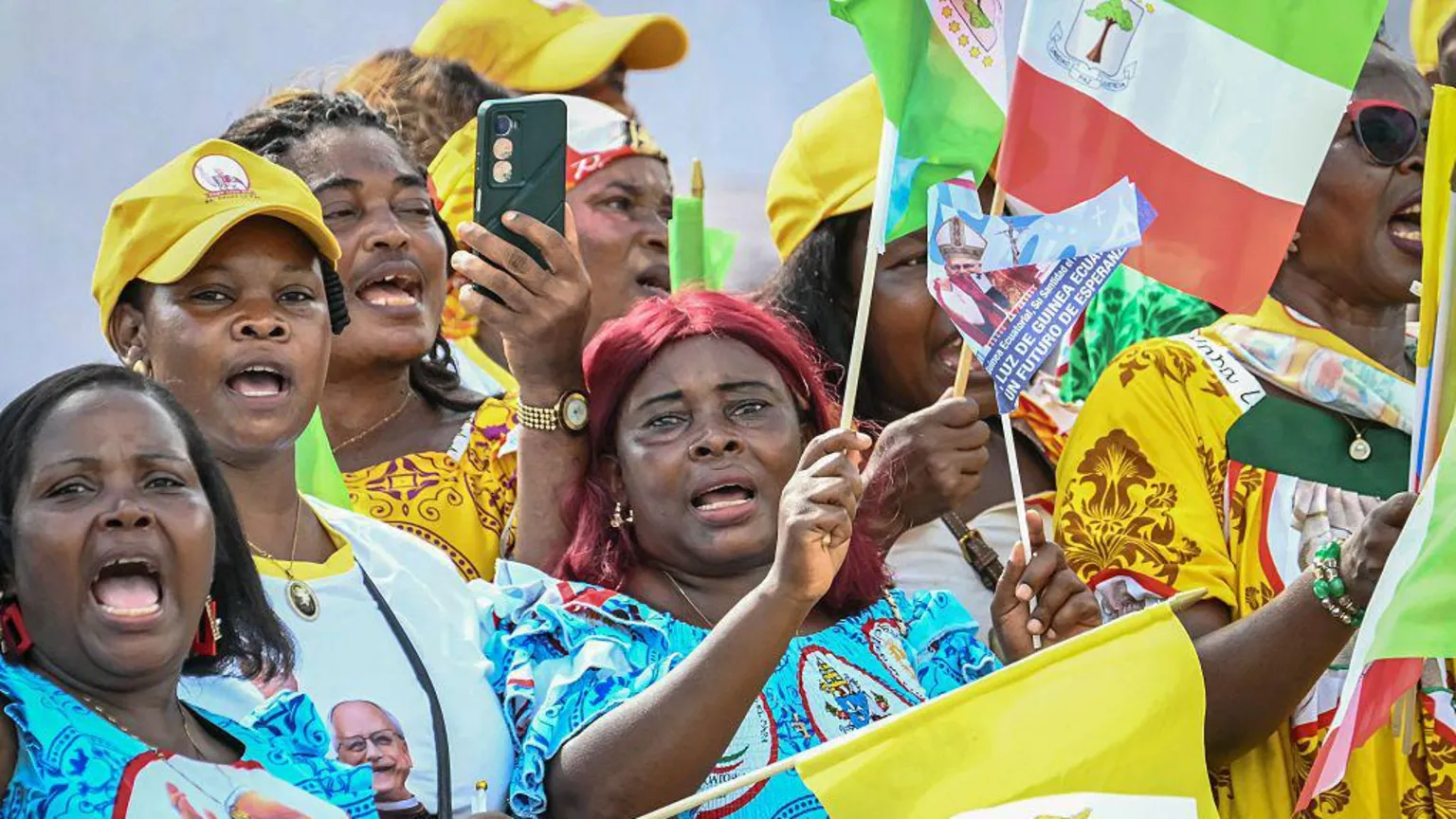
While economic and cultural progress continues, many African nations are confronting deep-rooted governance and human rights issues. Recent events in Equatorial Guinea, during Pope Leo XIV’s tour of Africa, brought these concerns into sharp focus.
During his visit, the Pope delivered strong messages on justice, dignity, and equality. Addressing prisoners in a facility criticized for harsh conditions, he emphasized that justice should not merely punish but “help rebuild the lives of victims, offenders and communities.”
He also called for better treatment of detainees and respect for human dignity, highlighting “troubling hygienic and sanitary conditions” in prisons.
Across his broader tour—including Algeria, Cameroon, Angola, and Equatorial Guinea—the Pope condemned inequality, corruption, and the exploitation of Africa’s resources by “tyrants.”
These statements resonate deeply in a region where governance challenges persist. In Equatorial Guinea, for instance, more than half the population lives in poverty despite the country’s oil wealth, while political opposition remains heavily restricted.
The Pope’s visit amplified ongoing debates about leadership accountability, human rights, and the fair distribution of resources—issues that remain central to Africa’s development.
Conflict and Humanitarian Pressures
Beyond governance concerns, several regions in Africa continue to face humanitarian crises driven by conflict and instability. Wars, displacement, and political violence have left vulnerable populations—especially children—without support systems.
Sudan’s ongoing war, now entering its fourth year, has created a severe humanitarian emergency, with thousands of children displaced or left alone. Meanwhile, reports from across the continent highlight election-related violence, refugee movements, and environmental challenges such as pollution from mining activities.
These crises underscore the fragility of progress in certain regions and the need for sustained international and regional cooperation.
Regional Integration and Competition
Africa’s future is increasingly tied to its ability to integrate economically and politically. Initiatives like the Single African Air Transport Market (SAATM) aim to liberalize air travel across the continent, potentially increasing intra-African traffic by up to 141% and reducing fares by 35%.
At the same time, competition among nations and airlines is intensifying. Countries like Rwanda, Burkina Faso, and Morocco are investing in major infrastructure projects to position themselves as regional hubs.
Yet integration remains uneven. Smaller economies and airlines fear being overshadowed by dominant players, raising questions about how benefits will be distributed across the continent.
Africa’s Defining Moment: Opportunity Meets Responsibility
Africa’s current trajectory is defined by a convergence of forces:
- A rapidly growing population and expanding middle class
- Increasing global cultural influence
- Major investments in infrastructure and trade
- Persistent governance and human rights challenges
These dynamics present both opportunity and risk. The continent’s ability to harness its potential will depend on effective leadership, inclusive policies, and sustained investment in human capital.
As Pope Leo XIV’s remarks and large-scale projects like Ethiopia’s new airport illustrate, Africa’s future is not predetermined—it is being actively shaped by decisions made today.
Conclusion: A Continent Shaping Its Own Narrative
Africa is no longer a passive subject of global narratives—it is actively redefining its place in the world. Through its music, infrastructure ambitions, and calls for justice, the continent is asserting a complex and evolving identity.
Yet the path forward requires careful navigation. Balancing growth with equity, innovation with inclusion, and ambition with accountability will determine whether Africa can fully realize its promise.
The story of Africa today is not one of contradiction, but of transition—a continent moving, rapidly and decisively, toward a future it is increasingly shaping on its own terms.


