


South Africa Driving Licence Extension: What Motorists Need to Know
A Long-Awaited Reform Still on the Horizon
For years, South African motorists have faced the routine inconvenience of renewing their driving licence cards every five years. Now, a long-discussed reform aims to extend this validity period to eight years—a move that promises administrative relief but continues to face delays, financial scrutiny, and regulatory hurdles.
While the Department of Transport has reaffirmed its commitment to the change, recent developments reveal that implementation is still some distance away. The proposed extension is not yet law, and motorists should prepare for a gradual, multi-year rollout rather than an immediate shift.
The Core Proposal: Extending Validity to Eight Years
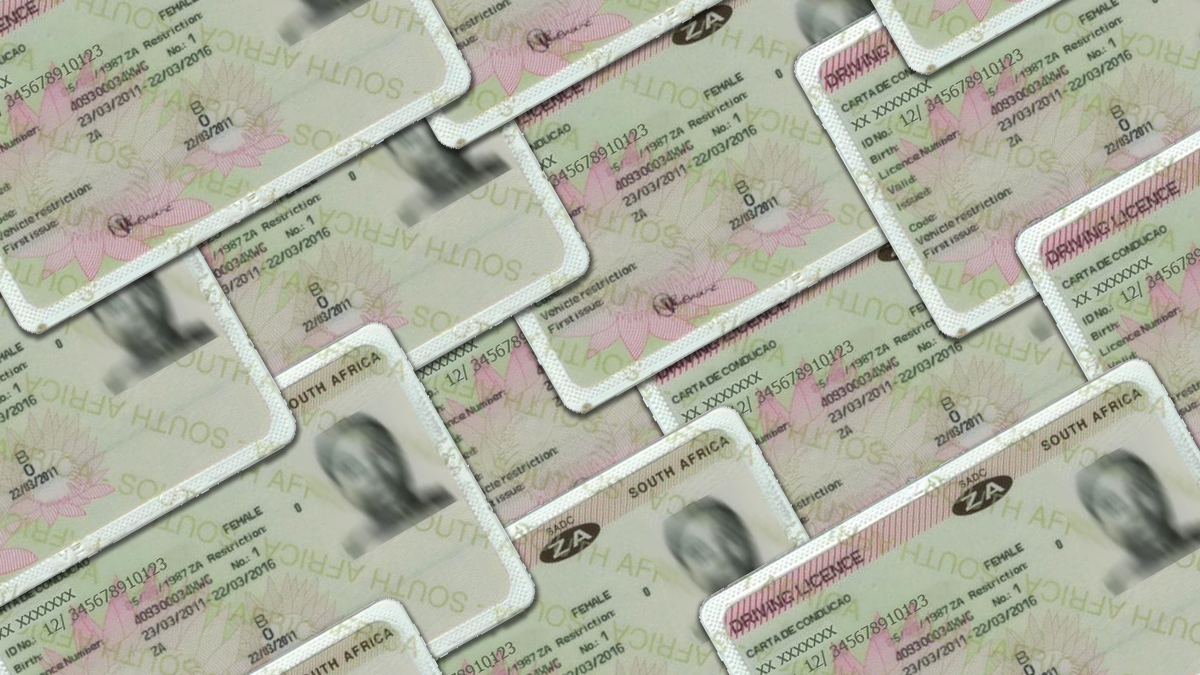
At the heart of the reform is a straightforward idea: increase the validity period of driving licence cards from five years to eight years.
This proposal has been formally embedded in the Department of Transport’s planning framework. According to its 2026/27 Annual Performance Plan, the department intends to push the policy through several stages of approval before it becomes enforceable.
The rationale behind the change is clear:
- Reduce the frequency of renewals for motorists
- Ease pressure on licensing centres
- Improve administrative efficiency across the system
The Driving Licence Card Account (DLCA) itself acknowledges that the extension could “enhance administrative efficiency” and “alleviate service demand pressures within the licensing system.”
Timeline: Why the Process Is Taking So Long
Despite widespread support, the rollout has been marked by repeated delays. The latest official timeline reveals a phased approach stretching into 2028:
Short-Term Milestones (2026/27)
- June 2026 – Submission to the Minister
- September 2026 – Submission to the Shareholders’ Committee
- December 2026 – Submission to FOSAD clusters
- March 2027 – Submission to Cabinet for approval
Medium-Term Targets
- 2027/28 – Submission to Parliament for approval
- Potential implementation thereafter
Originally, the department had aimed to present the proposal to Parliament much earlier, but that deadline was missed.
As a result, motorists should not expect immediate changes. Even under the current plan, the extension will only become reality after Cabinet and Parliamentary approval, which may only happen by 2028.
The Financial Question: A Key Obstacle
One of the biggest barriers to implementation is not technical—but financial.
The Driving Licence Card Account (DLCA), which manages licence production, relies heavily on renewal fees as a source of revenue. Extending the validity period would reduce the number of renewals processed, directly impacting income streams.
Transport Minister Barbara Creecy has been explicit about this concern. She emphasised the need for a detailed cost-benefit analysis before making a final decision.
“There could be an implication that there isn’t enough revenue if it’s every eight years, and we may have to increase the tariff,” she said.
At the same time, she warned against rushing the process:
“We should not be in a situation where later we say, ‘Whoops, there were unintended consequences.’”
Will Licence Fees Increase?
The possibility of higher fees is one of the most debated aspects of the proposed reform.
Government officials have indicated that longer validity could necessitate increased application or renewal fees to compensate for reduced revenue.
However, not all stakeholders agree.
The Organisation Undoing Tax Abuse (Outa) has strongly opposed automatic fee hikes. Its position is that longer validity periods should actually reduce administrative costs and improve efficiency, not justify higher charges.
This disagreement highlights a fundamental tension: balancing public convenience with financial sustainability.
Public Pressure and Civil Society Response
Civil society organisations have played a significant role in keeping the issue in the spotlight.
AfriForum, for example, has repeatedly urged the Department of Transport to accelerate the process, arguing that delays are unfair to motorists whose licences expire despite being fully competent drivers.
“There is overwhelming support for this decision and much reason to implement it quickly,” said spokesperson Louis Boshoff.
The organisation has also called for transparency and accountability, reminding the department that “the eyes of the entire country are on her department.”
A Policy with a Long and Controversial History
The idea of extending driving licence validity is not new. In fact, it has been under discussion for several years.
- 2022 – A study commissioned by the Road Traffic Management Corporation (RTMC) explored extending validity to 10 years
- 2024 – The proposal was scaled back to eight years but then rejected by leadership at the time
- 2025 – Minister Creecy revived the plan and supported further investigation
- 2026 onwards – Formal policy development and approval process continues
Earlier resistance to the extension sparked criticism, with some observers suggesting financial motivations behind the reluctance to reduce renewal frequency.
What the Extension Means for Motorists
If implemented, the extension could significantly change the driving licence experience in South Africa.
Potential Benefits
- Fewer trips to licensing centres
- Reduced queues and backlogs
- Lower administrative burden for both drivers and government
Possible Downsides
- Higher renewal or application fees
- Longer wait for implementation
- Continued uncertainty during the transition period
In practical terms, motorists should continue renewing licences under the current five-year system until official regulations are enacted.
What Happens Next?
Before the extension becomes law, several key steps remain:
- Completion of the cost-benefit analysis
- Publication of draft regulations for public comment
- Cabinet approval
- Parliamentary approval
- Final regulatory implementation
As of April 2026, draft regulations had not yet been published for public input.
Conclusion: Progress with Caution
The proposed extension of South Africa’s driving licence validity period represents a meaningful reform with clear benefits for motorists. However, it also underscores the complexities of public policy, where administrative efficiency must be balanced against financial sustainability.
While the direction of travel is clear—towards an eight-year validity period—the journey is far from complete. For now, drivers should remain informed, monitor official updates, and continue complying with existing renewal requirements.
The reform may ultimately ease one of the country’s most common bureaucratic frustrations—but patience will be required before that promise becomes reality.


