

The Rise of E-Hailing: How Digital Mobility Is Transforming Transport Worldwide
A New Era of Urban Mobility
In cities across the world, the simple act of getting from one place to another has undergone a profound transformation. What once required standing by the roadside to flag down a taxi has evolved into a seamless, app-driven experience known as e-hailing—a system that connects passengers and drivers in real time through digital platforms.
E-hailing, at its core, refers to a ride-booking service that allows passengers to request vehicles—typically taxis or private cars—via mobile applications or online platforms. Powered by GPS tracking, real-time data, and cashless payment systems, this innovation has fundamentally reshaped urban transportation by improving efficiency, transparency, and accessibility.
But beyond convenience, e-hailing is now influencing economies, labor markets, and public policy, while also raising new questions about safety, regulation, and sustainability.

From Street Hailing to Smart Mobility
The Technology Behind the Shift
The emergence of e-hailing is closely tied to advancements in smartphone adoption and digital infrastructure. Modern platforms rely on:
- GPS tracking to match riders with nearby drivers
- Real-time trip monitoring for safety and efficiency
- Dynamic pricing algorithms based on demand and supply
- Cashless payment systems for seamless transactions
These features have reduced waiting times, provided fare estimates before trips, and introduced accountability through driver and passenger ratings.
The result is a system that not only simplifies transportation but also builds trust between users and service providers.
A Rapidly Expanding Global Market
The scale of e-hailing’s growth underscores its significance. The global car e-hailing market was valued at approximately US$92.3 billion in 2024 and is projected to reach US$152.6 billion by 2032, expanding at a steady annual growth rate of about 6.5%.
This growth is fueled by:
- Rising urban populations
- Increasing smartphone penetration
- Demand for flexible, on-demand mobility
- Expansion into emerging markets
Major global players—including Uber, Bolt, Grab, Didi, and inDrive—have established strong footholds across continents, while regional competitors continue to innovate and localize services.
Governments Step In: Regulation and Policy Evolution
As e-hailing expands, governments worldwide are increasingly stepping in to regulate the sector. More than 60 jurisdictions have introduced frameworks to govern e-hailing operations, reflecting its growing importance in public transport systems.
Case Study: Worker Protection in Malaysia
One of the most notable developments comes from Malaysia, where the Gig Workers Act 2025 has introduced new protections for drivers and other platform workers.
Under this law:
- Platform providers must automatically deduct social security contributions
- Contributions are set at 1.25% per transaction
- Integration with government systems is mandatory
Activists have stressed that there is “no excuse” for delays in implementation, urging strict enforcement to protect gig workers’ rights.
This signals a broader global trend: governments are no longer treating e-hailing as an informal sector but as a critical component of the formal economy.
The Gig Economy Engine
E-hailing platforms have become a cornerstone of the gig economy, offering flexible earning opportunities for millions of drivers worldwide.
Opportunities
- Flexible working hours
- Low entry barriers compared to traditional employment
- Access to digital income streams
Challenges
- Income instability due to fluctuating demand
- Pricing pressures from competition
- Limited access to benefits in some regions
The debate around gig worker rights continues to shape policy discussions, with increasing calls for social protections and fair compensation structures.
Local Innovation: The Rise of State-Backed Platforms
While global giants dominate much of the market, governments are beginning to launch their own e-hailing services to address local transport challenges.
EdoRide in Nigeria
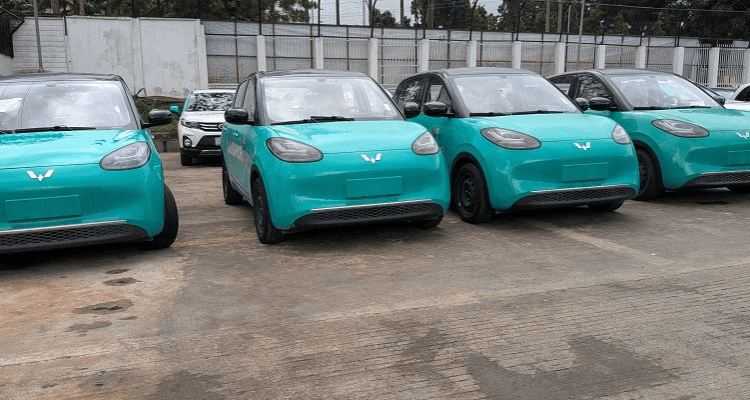
In Edo State, Nigeria, authorities are preparing to launch EdoRide, a government-backed e-hailing service aimed at improving urban mobility and expanding transportation options.
Key highlights include:
- Integration with broader public transport systems
- App-based ride-hailing capabilities
- Potential support for gig drivers
- Alignment with infrastructure investments such as new bus fleets and road projects
The model draws inspiration from LagRide in Lagos, which operates through a public-private partnership.
However, questions remain about:
- Pricing strategy
- Ownership and operational structure
- Whether drivers will rent vehicles or adopt a drive-to-own model
EdoRide’s success will likely depend on how well it balances affordability, efficiency, and competition with established platforms.
Competition and Market Pressures
Despite rapid growth, the e-hailing sector faces intense competition and economic realities.
Drivers on major platforms often report:
- Low ride demand in certain markets
- Declining fares due to competition
- Rising operational costs (fuel, maintenance)
For new entrants—especially government-backed platforms—these challenges are significant. Pricing too high may deter users, while pricing too low may discourage drivers.
The market is increasingly defined by a delicate equilibrium between user affordability and driver profitability.
Safety Concerns and Public Perception
While e-hailing has improved convenience, it has also raised safety concerns.
A recent fatal accident in Kuala Lumpur highlighted the risks associated with road safety. A 22-year-old e-hailing passenger lost his life in a head-on collision caused by a driver allegedly under the influence of alcohol. The incident reignited concerns about reckless driving and enforcement of traffic laws.
Such events underscore the importance of:
- Strong regulatory oversight
- Driver vetting and monitoring
- Public awareness around road safety
As e-hailing becomes more embedded in daily life, ensuring passenger safety remains a critical priority.
The Future of E-Hailing
Looking ahead, the e-hailing industry is poised for further transformation.
Emerging Trends
- Electric vehicles (EVs): Increasing adoption to reduce emissions
- Integrated mobility ecosystems: Combining buses, trains, and ride-hailing
- AI-driven optimization: Smarter routing and pricing algorithms
- Autonomous vehicles: A long-term disruptor in development
Governments and private companies are also exploring ways to integrate e-hailing into broader urban mobility strategies, creating more efficient and sustainable transport networks.
Conclusion: A Defining Force in Modern Transport
E-hailing is no longer just a convenience—it is a defining feature of modern urban life. By bridging technology and transportation, it has reshaped how people move, work, and interact with cities.
From billion-dollar global markets to local innovations like EdoRide, the sector continues to evolve at a rapid pace. Yet, its future will depend on how well stakeholders address critical challenges—regulation, worker welfare, safety, and sustainability.
As cities grow and mobility demands increase, e-hailing stands at the center of a broader transformation: the shift toward smarter, more connected, and more inclusive transportation systems.


