

The Journal de 20 Heures: France’s Daily Ritual of Information and Influence
A Nation Gathers at Prime Time
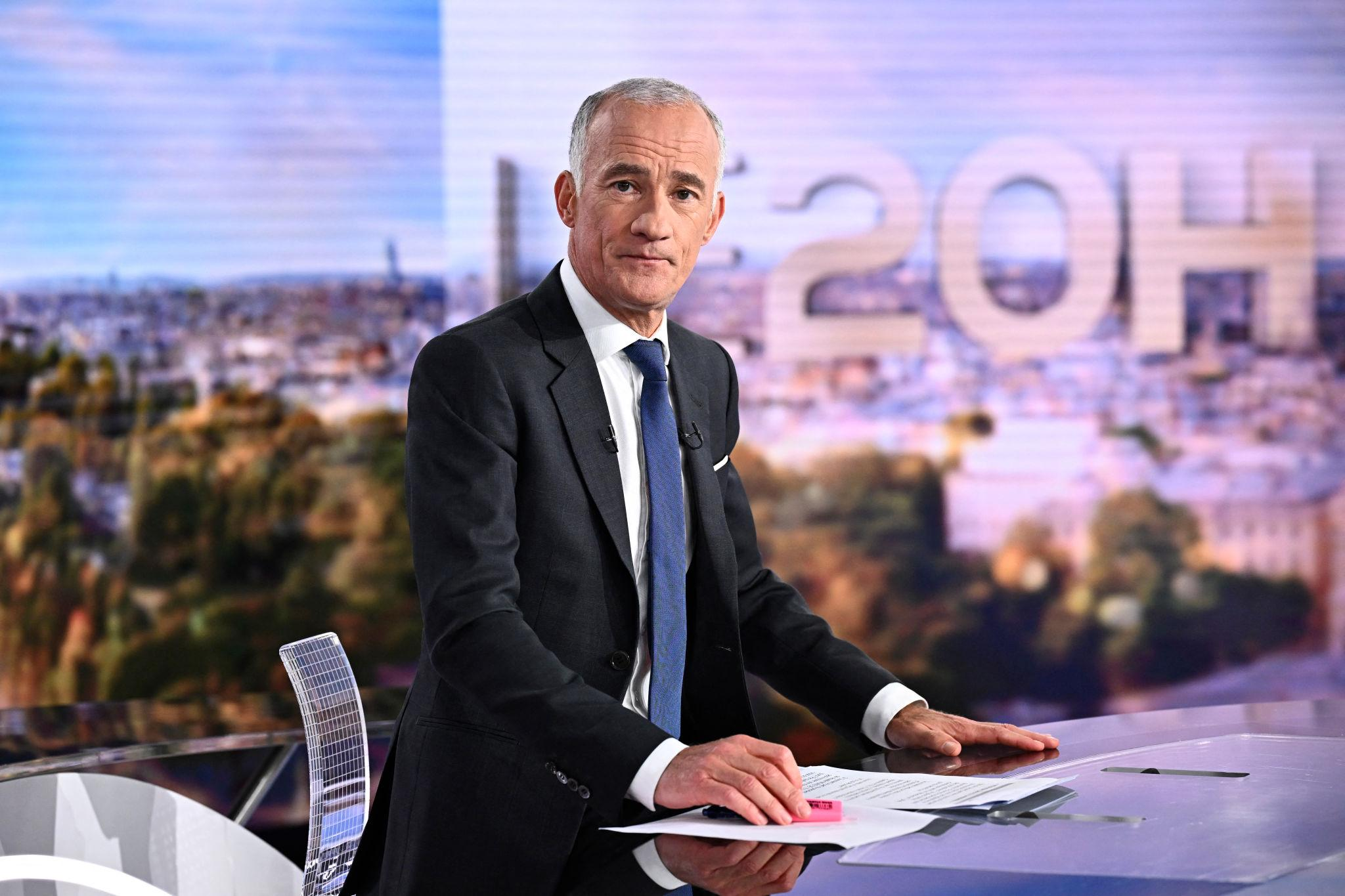
Every evening in France, just before the clock strikes 8 PM, millions of viewers turn to a familiar institution: the Journal de 20 heures—commonly referred to as the “20h.” More than a television program, it functions as a national checkpoint, a moment when the country collectively pauses to absorb the day’s most important developments.
Broadcast live at 7:58 PM on TF1 and competing directly with other major networks like France 2, the 20h has evolved into one of the most influential media formats in French society. It blends hard news, investigative reporting, and human-interest storytelling into a structured, high-impact broadcast.
Inside the Format: Precision, Pace, and Authority
At its core, the Journal de 20 heures is built around a tightly curated editorial structure. Each edition delivers:
- A selection of the day’s top national and international headlines
- In-depth reports and short documentaries
- Live segments and expert commentary
- Interviews with political figures and eyewitnesses
On TF1, the program is anchored by a rotating team that includes Gilles Bouleau, Jean-Baptiste Boursier, Anne-Claire Coudray, and Audrey Crespo-Mara. Their role extends beyond presenting headlines—they shape the tone, credibility, and rhythm of the broadcast.
The TF1 edition is described as a “major news event,” offering “numerous reports, documentaries, and live segments informing the French public on social, environmental, and economic issues.” It aims to provide a comprehensive summary of both French and global affairs, reinforcing its role as a daily reference point.
A Snapshot of the News Cycle: April 15, 2026
A typical edition illustrates the program’s breadth. On Wednesday, April 15, 2026, the 20h covered a wide spectrum of topics:
- A school bus fire in Dordogne
- Veterinary professionals and their role in animal care
- Severe frost threatening vineyards in Champagne
- Questions over rail competition and ticketing policies
- A disturbing case involving a child held captive
- Fuel-saving strategies through group purchases
- Insurance fraud through staged car accidents
- Maritime tensions in the Strait of Hormuz
- Environmental concerns such as “mermaid tears”
- Infrastructure debates around railway maintenance
This diversity reflects a deliberate editorial balance: urgent breaking news, societal issues, economic pressures, and long-term environmental challenges all coexist within a single broadcast.
Competition at the Top: TF1 vs France 2
The 20h is also defined by intense competition between networks, particularly between TF1 and France 2. Audience figures are closely monitored, and even minor shifts can signal broader changes in viewer behavior.
On April 15, 2026, TF1 maintained a clear lead with 4.44 million viewers and a 26.4% audience share, despite a slight dip. In contrast, France 2’s 20h, presented by Léa Salamé, attracted 3.31 million viewers (19.7%) in its first segment, dropping further to 2.65 million viewers (15%) in the second part.
This decline coincided with the appearance of Jordan Bardella, whose interview was expected to boost viewership. Instead, the data suggested the opposite effect. Several factors were identified:
- A shift toward personal topics, including his relationship with Maria Carolina
- A structural split in the broadcast, leading to audience drop-off after the main headlines
- Viewer expectations favoring strictly informational content during the 20h slot
The outcome underscores a critical dynamic: high-profile guests do not guarantee audience retention. Editorial balance remains essential.
Editorial Strategy: Between Information and Engagement
The Journal de 20 heures operates at the intersection of journalism and audience psychology. Its success depends on maintaining credibility while adapting to changing viewer preferences.
France 2, for instance, has experimented with a more “incarnated” and direct tone under Léa Salamé, integrating interviews and personality-driven segments. However, this approach introduces tension between:
- Traditional news delivery (fact-driven, structured)
- Modern storytelling (personal, conversational, sometimes emotional)
As one observed, “the balance is delicate. Between the demand for information and more personal sequences, the public does not always follow.”
A Broader Ecosystem of News Production
Behind the scenes, the 20h is supported by extensive editorial teams. On France 2, for example:
- The weekday edition is led by editor-in-chiefs Hugo Plagnard and Julien Duperray
- Weekend editions are presented by Laurent Delahousse
- Multiple deputy editors and contributors coordinate reporting, verification, and production
This infrastructure ensures that each broadcast delivers not only speed but also depth and accuracy.
Cultural Impact: More Than Just News
The Journal de 20 heures occupies a unique place in French culture. It is:
- A daily ritual for millions of households
- A benchmark for political communication
- A platform where national narratives are shaped and contested
Appearances on the 20h can influence public perception, political momentum, and even policy debates. For politicians and public figures, it remains one of the most powerful stages in the French media landscape.
The Future of the 20h: Adaptation in a Digital Age
As digital platforms reshape media consumption, the 20h faces structural challenges:
- Fragmented audiences across streaming and social media
- Demand for on-demand, personalized news
- Competition from real-time digital reporting
Yet, the format retains key advantages:
- Authority and trust built over decades
- Structured storytelling that filters information overload
- A shared national viewing moment that digital platforms struggle to replicate
The likely trajectory is hybridization—integrating digital extensions (clips, independent segments, interactive content) while preserving the core broadcast.
Conclusion: A Format That Still Defines the News Agenda
The Journal de 20 heures remains a cornerstone of French media. Its ability to condense a complex world into a coherent, accessible narrative each evening ensures its continued relevance.
While audience habits evolve and competition intensifies, the 20h continues to shape how France understands itself and the world. Its influence extends beyond ratings—it frames debates, informs decisions, and anchors the daily rhythm of public life.


