

Xbox at a Crossroads: Strategy, Pricing, and the Future of Gaming
A Platform Redefining Its Own Rules
For more than two decades, Xbox has been one of the defining forces in the global gaming industry. What began as a direct challenge to Sony and Nintendo has evolved into something broader: a hybrid ecosystem spanning consoles, PCs, cloud gaming, and subscription services.
In 2026, however, Xbox finds itself at a strategic inflection point. The brand is no longer just competing on hardware performance—it is actively reshaping how games are distributed, discovered, and monetized. At the center of this transformation lies one critical question: how does Xbox balance accessibility, profitability, and long-term value?
Recent developments suggest that the answer is still being written.
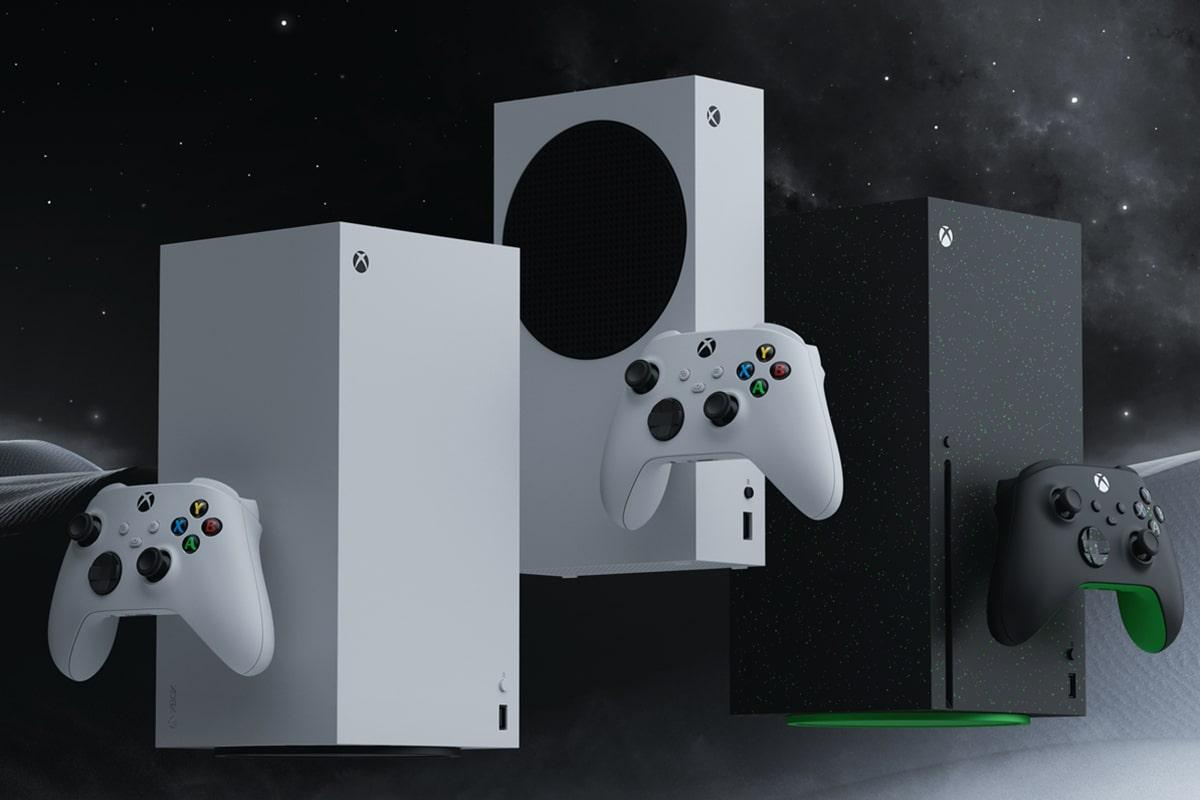
The Rise of Game Pass—and Its Growing Pains
At the heart of Xbox’s modern strategy is Xbox Game Pass, a service that has fundamentally altered how players access games. Rather than purchasing titles individually, subscribers gain access to a large library—often including new releases—through a monthly fee.
This model has driven significant growth. By early 2024, Game Pass had reached 34 million subscribers and generated nearly $5 billion in revenue in FY2025, establishing itself as a central pillar of Microsoft’s gaming business.
Yet success has introduced new tensions.
Following a price increase in late 2025, the top-tier Ultimate plan reached $29.99 per month, sparking criticism from players who questioned whether the value still justified the cost.
Internally, leadership appears to agree.
“Short term, Game Pass has become too expensive for players, so we need a better value equation.”
This acknowledgment reflects a broader recalibration underway within Xbox. While Game Pass remains central to the ecosystem, its pricing model—and perceived value—are now under active review.
Discovery vs. Sustainability: The Core Tension
Despite pricing concerns, Game Pass continues to deliver a powerful advantage: game discovery.
Industry executives highlight that launching titles on Game Pass can create immediate exposure to millions of players, often generating a “viral, snowball effect” that extends beyond the Xbox ecosystem.
This dynamic produces measurable downstream benefits:
- Increased visibility for new releases
- Higher engagement across platforms
- Boosted sales on external marketplaces like PC storefronts
In practical terms, Game Pass has evolved into more than a subscription—it is a marketing engine for the modern gaming industry.
However, this creates a structural challenge. As development costs rise—especially with high-profile franchises like Call of Duty—maintaining a high-value content library while keeping subscription prices competitive becomes increasingly complex.
The result is a balancing act between:
- affordability for players
- profitability for Microsoft
- sustainability for developers
A Strategic Pivot: Flexibility and Experimentation
Xbox leadership is not simply adjusting prices—it is rethinking the structure of the service itself.
Emerging signals point to several possible directions:
1. More Flexible Subscription Tiers
There is growing discussion around evolving Game Pass into a more modular system, potentially allowing players to choose pricing tiers based on features, content access, or even advertising support.
2. Ad-Supported Models
Speculation around lower-cost, ad-supported options reflects a broader industry trend seen in streaming platforms. This could widen access while preserving revenue streams.
3. Bundled Ecosystems
Promotions such as student bundles—including Game Pass, Microsoft 365, and hardware incentives—demonstrate how Xbox is integrating gaming into a broader productivity and lifestyle ecosystem.
These shifts suggest a move away from a one-size-fits-all subscription toward a segmented, user-centric model.
Hardware Evolution: Project Helix and the Next Generation
While Game Pass dominates headlines, Xbox’s hardware strategy is also undergoing transformation.
The next major development is Project Helix, a hybrid device designed to unify console and PC gaming into a single platform.
Key characteristics include:
- Ability to run both Xbox and PC games
- Custom AMD architecture optimized for next-gen performance
- Integration with evolving technologies like DirectX and advanced ray tracing
Crucially, development teams are working on hardware and software in parallel, a shift intended to ensure stronger launch titles and better platform optimization.
This approach signals a deeper strategic objective: collapsing the traditional divide between console and PC ecosystems.
However, uncertainty remains. Early projections suggest a premium price point—potentially $900 or higher—raising questions about accessibility and market positioning.
The Exclusivity Debate Returns
Another major question shaping Xbox’s future is whether to re-embrace exclusive games.
Historically, franchises like Halo and Gears of War defined Xbox’s identity. In recent years, however, Microsoft has shifted toward a cross-platform strategy, prioritizing accessibility over exclusivity.
Now, that approach is being reconsidered.
Industry discussions indicate that:
- A return to exclusives could strengthen brand identity
- It could help Xbox compete more directly with rivals like Sony
- But it risks undermining the company’s broader ecosystem strategy
This tension reflects a fundamental strategic dilemma:
Should Xbox prioritize reach, or differentiation?
Market Position: Competing in a Changing Industry
Xbox’s current challenges are not occurring in isolation—they reflect broader transformations across the gaming sector.
Three trends are particularly relevant:
Subscription Dominance
Services like Game Pass and PlayStation Plus are redefining how players access content, shifting the industry away from one-time purchases.
Rising Development Costs
AAA game production now demands larger budgets, increasing pressure on distribution models to generate consistent revenue.
Ecosystem Convergence
The boundaries between console, PC, and cloud gaming are rapidly dissolving, forcing companies to rethink traditional platform strategies.
Within this context, Xbox is attempting something ambitious:
to build a unified gaming ecosystem that prioritizes access over hardware constraints.
What Comes Next for Xbox?
The decisions Xbox makes in the near term will shape not only its own trajectory but the broader gaming landscape.
Several outcomes are likely:
- Game Pass restructuring to improve perceived value
- Continued investment in hybrid hardware like Project Helix
- Possible reintroduction of exclusives to strengthen brand identity
- Expansion of flexible and bundled subscription models
Each move carries trade-offs, and none guarantees success.
What is clear, however, is that Xbox is no longer operating within the traditional console paradigm. It is attempting to redefine the rules of engagement—turning gaming into a service-driven, cross-platform experience.
Conclusion: A Platform in Transition
Xbox in 2026 is not a finished product—it is an evolving strategy.
The brand’s willingness to reassess its pricing, rethink its hardware, and revisit core identity questions signals a company in active transformation. Whether that transformation results in renewed dominance or deeper fragmentation will depend on execution.
What remains certain is this:
Xbox is still one of the most influential forces shaping the future of gaming—and its next moves will be closely watched.


