

BMW iX: The Electric Pioneer Making Way for BMW’s Next Era
A Turning Point for BMW’s Flagship Electric SUV
The BMW iX stands at a critical inflection point in the evolution of electric vehicles. Once introduced as a bold statement of intent, the iX is now gradually stepping aside in the United States as BMW accelerates into its next-generation “Neue Klasse” era.
This transition is not a retreat from electrification. Instead, it reflects a deliberate shift toward more advanced platforms, faster charging technologies, and a refined strategy designed to reshape the brand’s electric future.
From Concept to Reality: The Role of the BMW iX
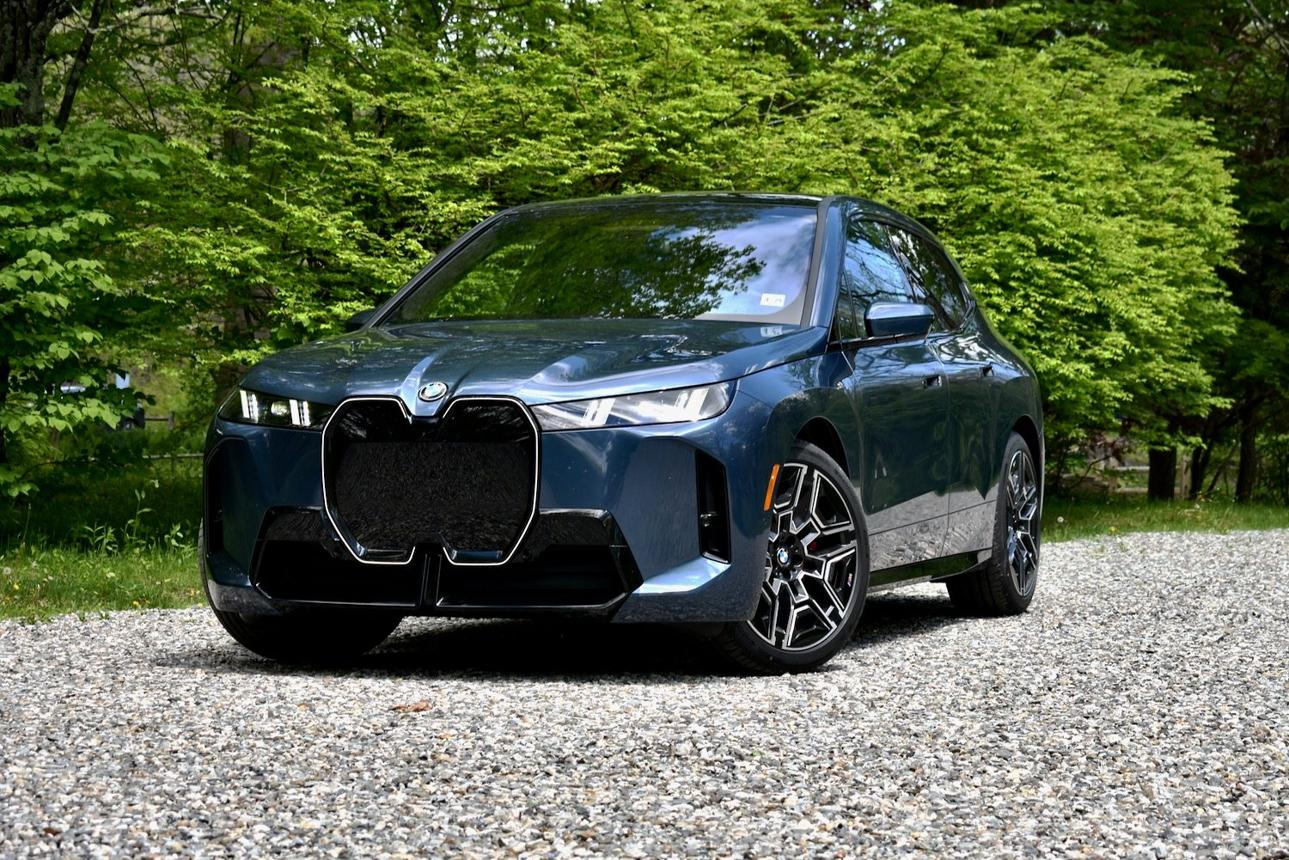
When the BMW iX debuted in 2021, it was never intended to be a conventional mass-market SUV. It was conceived as a technological showcase, designed to demonstrate the capabilities of BMW’s fifth-generation electric drivetrain.
The iX pushed boundaries in several areas:
- Design: Its bold, polarizing styling—particularly the closed-off kidney grille—made it instantly recognizable.
- Interior innovation: A minimalist, lounge-like cabin replaced traditional driver-focused layouts.
- Technology: It introduced advanced digital interfaces and cutting-edge EV architecture.
BMW effectively used the iX as a testing ground, gathering data and customer feedback to inform the next wave of electric vehicles.
Why the BMW iX Is Being Phased Out in the U.S.
As of April 2026, BMW has confirmed that the iX can no longer be ordered in the United States. The decision aligns with a broader strategic shift rather than a failure of the vehicle itself.
1. Transition to Neue Klasse Models
The primary driver is BMW’s move toward its next-generation platform, known as Neue Klasse. New models like the BMW iX3 and the upcoming i3 sedan are built on this architecture.
These vehicles introduce:
- 800-volt electrical systems for significantly faster charging
- Gen6 eDrive technology for improved efficiency and performance
- NACS charging ports, enabling compatibility with Tesla Superchargers
Compared to these advancements, the iX’s fifth-generation technology is increasingly outdated.
2. Portfolio Optimization
BMW is streamlining its EV lineup. As newer, more capable models enter the market, older vehicles like the iX and i4 become redundant within the product hierarchy.
3. Market Pressures in the U.S.
External factors also played a role:
- The phase-out of EV tax credits in autumn 2025 made electric vehicles less financially attractive
- BMW reported weaker EV demand in the U.S., contributing to lower global deliveries in early 2026
However, BMW maintains that the decision is primarily strategic rather than reactive.
Sales Performance: A Niche Success
Despite its unconventional positioning, the BMW iX achieved respectable sales figures:
- 15,383 units sold in 2024
- 12,587 units sold in 2025
These numbers reflect its role as a premium, low-volume model, rather than a mass-market bestseller.
The iX3: The Successor Taking Center Stage
BMW’s next move is clear: the iX3 will effectively replace the iX as the brand’s flagship electric SUV in the U.S.
What Makes the iX3 Different?
The iX3 represents a fundamental leap forward:
- Built on the Neue Klasse platform
- Powered by sixth-generation electric drivetrains
- Expected to deliver up to 400 miles of EPA-estimated range
- Offers 469 horsepower and 475 lb-ft of torque
- Enables ultra-fast charging via 800V architecture
The iX3 50 xDrive is expected to launch first, followed by more affordable variants (iX3 40 sDrive/xDrive) arriving as 2027 models.
A Strategic Transition, Not an Exit
BMW has emphasized that it remains fully committed to electrification:
“We remain fully committed to electrification in the U.S. and are transitioning to our upcoming Neue Klasse models, beginning with the BMW iX3, powered by our latest Gen6 eDrive technology.”
This statement underscores a key point: the discontinuation of the iX in the U.S. is part of a planned evolution, not a withdrawal.
Global Outlook: The iX Is Not Gone Yet
While the iX is exiting the U.S. market, it will continue to be sold in other regions for the time being.
- Production continues at BMW’s Dingolfing plant
- No global end-of-production date has been confirmed
- However, its long-term future is uncertain as newer models roll out
Once vehicles like the future iX5—with sixth-generation drivetrains—arrive, the iX’s lifecycle will likely conclude worldwide.
The Bigger Picture: BMW’s Electric Future
The iX’s story highlights a broader transformation within BMW:
- The company plans 40 new or updated models by 2027
- Gen6 battery technology will expand across the lineup, including the 7 Series
- A fully electric M car is also in development
This aggressive roadmap reflects BMW’s ambition to remain competitive in a rapidly evolving EV market.
Who Benefits—and Who Doesn’t
Winners
- BMW: Gains a cleaner, more advanced EV lineup
- Consumers seeking latest tech: Benefit from improved range, charging, and performance
Losers
- Buyers who preferred the large, distinctive iX SUV experience
- Early adopters who invested in a platform now being phased out
What to Watch Next
The success of this transition depends on one key factor: how well the iX3 performs in the market.
Three possible scenarios are emerging:
- Best case: Seamless transition, strong adoption of Neue Klasse models
- Most likely: Gradual shift with steady growth in BMW’s EV lineup
- Most challenging: Uneven demand slows the transition
Conclusion: The End of One Chapter, the Start of Another
The BMW iX was never meant to last forever. It was a bridge—a bold, experimental platform that helped BMW transition into the electric era.
Now, as the company pivots toward more refined and capable vehicles, the iX’s role is complete. Its departure from the U.S. market marks not an ending, but a strategic handoff to the next generation of electric mobility.
For BMW, the real test begins now.


