

“Spaceballs: The New One” — A Sci-Fi Parody Returns After Four Decades
A Comedy Galaxy Reawakens
Nearly 40 years after the original Spaceballs redefined parody cinema, the franchise is officially returning to theaters. The long-awaited sequel, titled “Spaceballs: The New One,” has been confirmed for release on April 23, 2027, marking one of the most unexpected and nostalgic revivals in modern Hollywood.
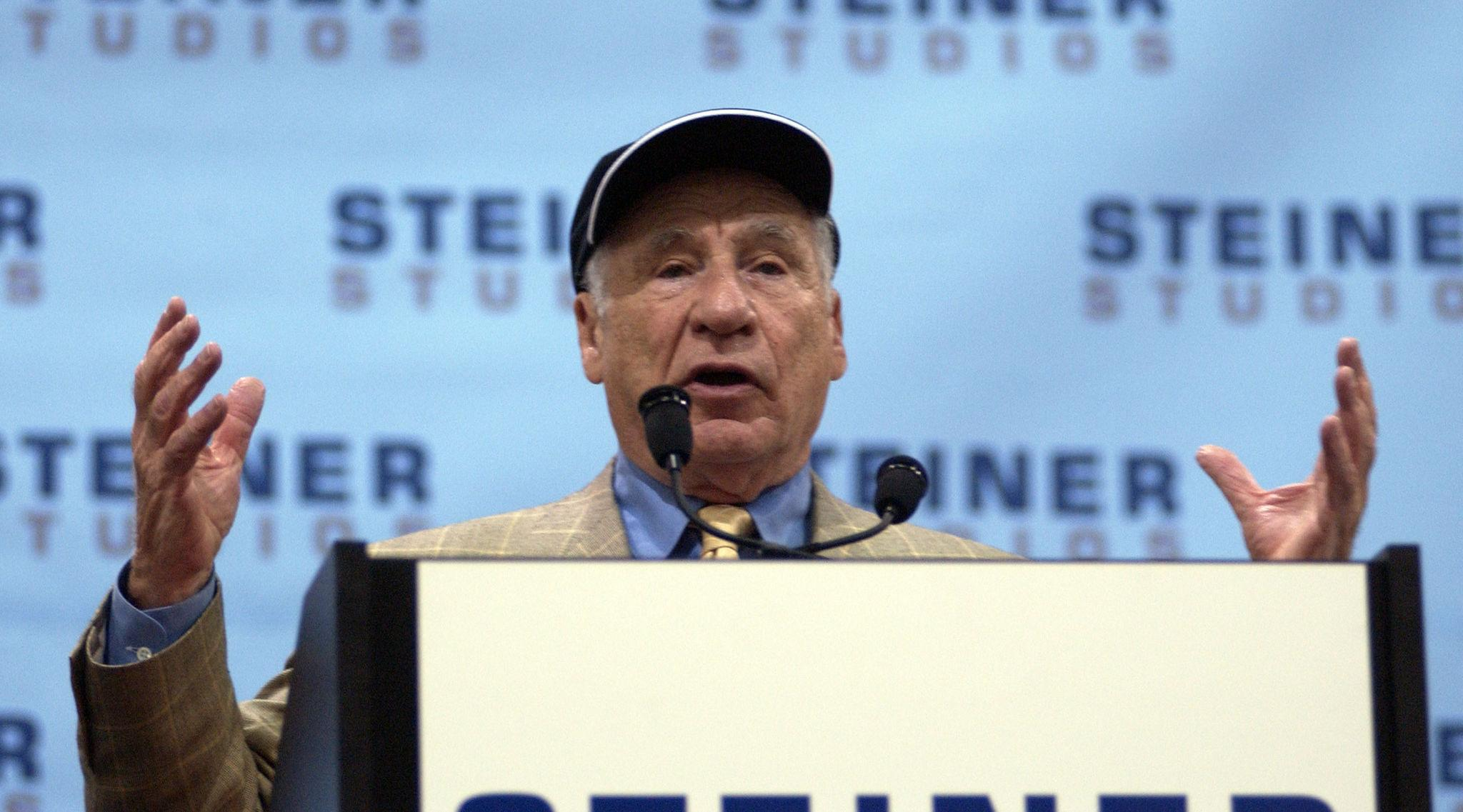
The announcement came during a major industry showcase, where legendary filmmaker Mel Brooks revealed the title in a pre-recorded video. True to his signature comedic style, Brooks leaned into the absurdity that made the original film a cult favorite—immediately signaling that the sequel will embrace both nostalgia and contemporary satire.
Why the Title Matters: A Joke Decades in the Making
For years, fans believed the sequel would be called “Spaceballs 2: The Search for More Money,” a tongue-in-cheek title referenced in the original film itself. Instead, Brooks delivered a different punchline:
“Because after all these years, I found the money. It was in my basement.”
The official title—“Spaceballs: The New One”—is a deliberate satire of modern franchise naming conventions. It mirrors the industry’s reliance on reboots, sequels, and soft rebrandings, while simultaneously poking fun at blockbuster culture, particularly franchises like Star Wars: The Force Awakens and Avatar.
This meta-humor reinforces a core truth: Spaceballs was never just parody—it was commentary.
The Return of a Legendary Cast
One of the most significant developments is the reunion of the original ensemble cast. Key returning actors include:
- Rick Moranis as Dark Helmet
- Bill Pullman as Lone Starr
- Daphne Zuniga as Princess Vespa
- George Wyner as Colonel Sandurz
- Mel Brooks returning as Yogurt
Moranis’ involvement is particularly notable. The actor has largely been absent from live-action roles for decades, making this project a rare and significant comeback.
A New Generation Joins the Universe
Alongside the original cast, a new group of performers brings fresh energy to the sequel:
- Josh Gad
- Keke Palmer
- Lewis Pullman
- Anthony Carrigan
Lewis Pullman’s casting introduces an intergenerational dynamic—he is expected to play the son of Lone Starr, effectively bridging the original story with a new narrative arc.
Behind the Scenes: A Modern Production with Classic DNA
The sequel is being developed under Amazon MGM Studios, reflecting the growing influence of streaming-era studios in theatrical releases.
- Director: Josh Greenbaum
- Writers: Josh Gad, Benji Samit, Dan Hernandez
- Filming Location: Sydney, Australia
- Production Wrap: December (previous year)
Despite the change in director, the creative approach appears aligned with Brooks’ original vision—irreverent, self-aware, and unapologetically absurd.
Plot Secrecy and Early Footage: What We Know
Official plot details remain tightly controlled. The studio has described them as being protected by an “industrial-strength Schwartz shield,” maintaining the comedic tone even in marketing.
However, early footage shown to audiences offers some clues:
- A scene featuring Dark Helmet interacting with a character resembling a Na’vi from Avatar
- Parodies targeting modern franchises and Hollywood trends
- Visual gags referencing iconic sci-fi tropes
These glimpses suggest that the sequel will expand its satire beyond Star Wars to include contemporary cinematic universes and industry practices.
From Cult Classic to Franchise Revival
The original Spaceballs debuted in 1987 and earned approximately $38.1 million globally. While not a blockbuster at release, it gained enduring popularity through home media and television, becoming a defining parody of sci-fi culture.
For decades, discussions about a sequel circulated without materializing. At one point, the working title “Spaceballs III: The Search for Spaceballs II” underscored the franchise’s self-referential humor.
The announcement of “The New One” finally resolves a long-standing demand from fans—and demonstrates how legacy properties can be revived in a contemporary media landscape.
A Satire of Modern Hollywood Itself
The film’s self-description captures its tone precisely:
“A Non-Prequel Non-Reboot Sequel Part Two but with Reboot Elements Franchise Expansion Film.”
This deliberately convoluted label is more than a joke—it reflects how modern franchises operate. Sequels are no longer straightforward continuations; they are hybrid projects combining nostalgia, reboot strategies, and expanded universes.
Spaceballs: The New One appears poised to critique that system from within.
Cultural and Industry Implications
The return of Spaceballs is not just a nostalgic event—it signals broader trends:
- Revival of legacy IP: Studios increasingly rely on established brands
- Meta-humor resurgence: Audiences respond to self-aware storytelling
- Cross-generational casting: Blending original stars with new talent
At a time when franchises dominate global cinema, Spaceballs may offer a rare form of critique—comedy that dissects the very system it inhabits.
What Comes Next
With production completed and a release date locked, attention now shifts to marketing and audience expectations. The film faces a complex challenge: honoring a cult classic while appealing to a new generation.
Yet, if early signals hold true, Spaceballs: The New One will not attempt to replicate the past. Instead, it will do what the original did best—satirize the present.
Conclusion: The Schwartz Returns
After nearly four decades, Spaceballs is no longer a standalone cult classic. It is becoming a franchise—ironically fulfilling the very industry patterns it once mocked.
But that contradiction may be the point.
As Mel Brooks himself put it:
“It’s just like the old one. Only newer.”


