


Road Traffic Infringement Agency Warns of Rising Speeding Fine Scams
A growing wave of fraudulent traffic fine messages has prompted urgent warnings from the Road Traffic Infringement Agency, placing motorists on high alert. Authorities report an increase in SMS and email scams that mimic official communications, pressuring drivers to pay alleged fines immediately or risk penalties.
The warning comes as scammers exploit confusion surrounding the Administrative Adjudication of Road Traffic Offences framework, leveraging fear and urgency to deceive unsuspecting recipients.
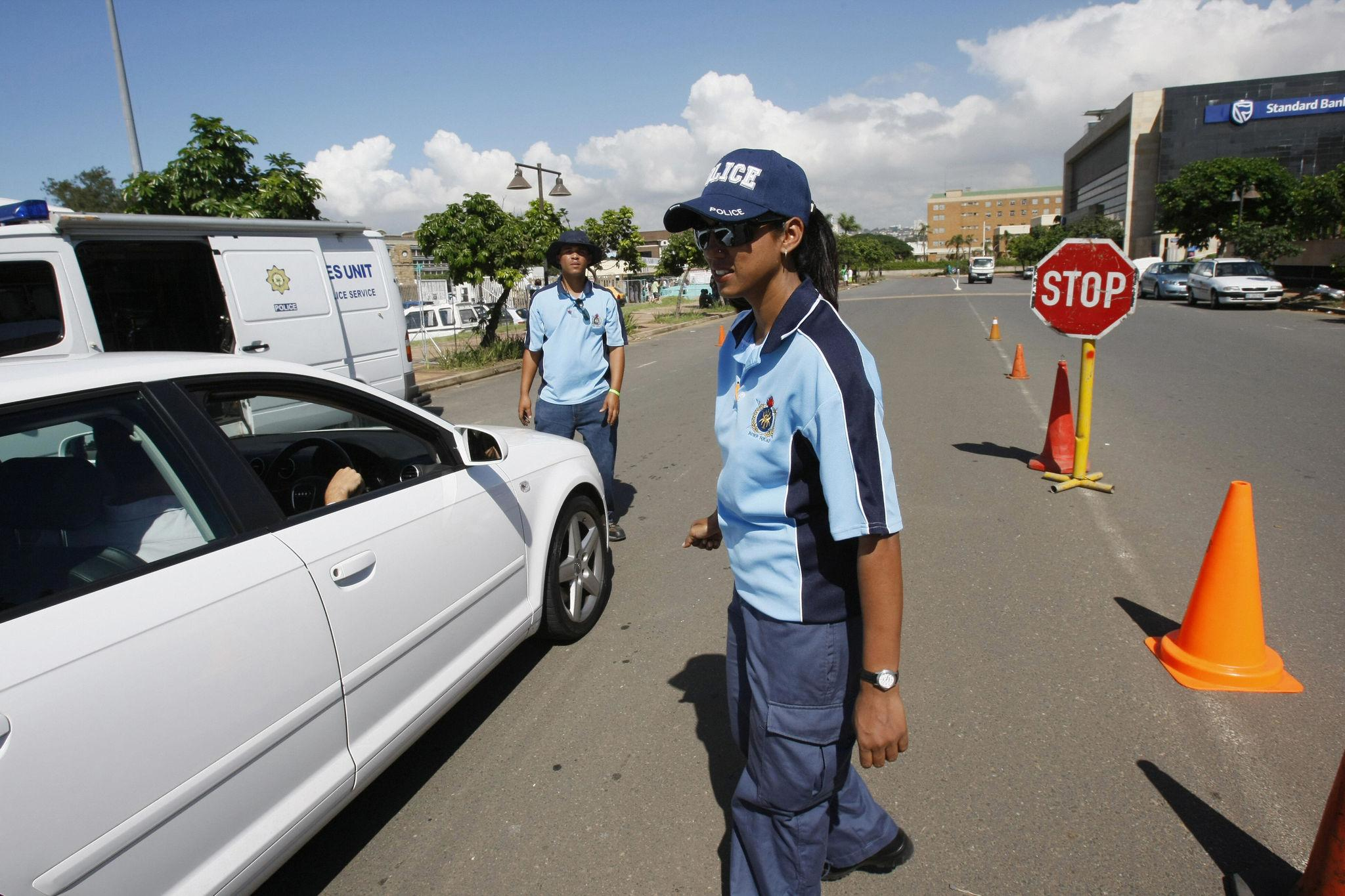
A Surge in Fake Fine Notifications
Motorists across South Africa have reported receiving suspicious messages claiming they owe outstanding traffic fines. These communications often:
- Offer discounted payments to encourage quick action
- Demand immediate settlement to avoid penalties
- Threaten enforcement actions such as blocking licence renewals
In many cases, the messages include links directing users to fraudulent websites or request personal information under the guise of verification.
Authorities emphasize that these tactics are classic phishing strategies designed to extract sensitive data or payments.
How the Scam Works
The fraudulent messages are typically structured to resemble legitimate government notices. One widely reported example uses subject lines such as:
“Final Demand: Enforcement Notice”
These emails or SMS messages often include:
- A fake reference number
- A specified outstanding balance (e.g., R400.00)
- Claims that failure to pay will result in penalties or restrictions
Some even falsely state that enforcement notices have already been issued, creating a sense of urgency.
However, officials have clarified that these communications are not legitimate and should be treated as scams.
Why the Timing Matters
The scams are particularly effective because they coincide with ongoing developments in the AARTO system.
According to official information, AARTO has not yet been fully implemented nationwide. Its rollout has been delayed multiple times, with the next phase scheduled for 1 July 2026, followed by broader expansion later in the year.
Currently, the system operates only as a pilot programme in limited areas such as Johannesburg and Pretoria.
This gap between public awareness and actual implementation creates an opportunity for scammers to exploit uncertainty.
Official Warning: Do Not Engage
The Road Traffic Infringement Agency has issued clear guidance:
- Do not click on suspicious links
- Do not share personal or financial information
- Do not make payments based on unsolicited messages
Instead, motorists should verify any outstanding fines through official channels only.
How to Verify Legitimate Traffic Fines
To ensure accuracy and avoid falling victim to scams, motorists are advised to:
- Use the official AARTO website for verification
- Contact the AARTO Call Centre on 086 122 7861
- Report suspicious communications directly to RTIA
Importantly, authorities have confirmed that electronic servicing of AARTO documents has not yet been implemented, meaning any email or SMS demanding payment should be treated as fraudulent.
Understanding the AARTO System
While the current scams are fraudulent, the AARTO framework itself introduces significant changes to how traffic violations are handled.
Key Features of AARTO
- Separation of violations into infringements and offences
- Administrative handling of minor violations
- Continued criminal processing for serious offences
The Demerit Points System
A central component of AARTO is the introduction of a demerit points system:
- Drivers accumulate points based on violations
- Points range from 1 to 6, depending on severity
- A licence is suspended after exceeding 15 points
- Suspension duration increases with additional points
For example, exceeding the limit by four points could result in a one-year suspension.
Licences can only be suspended twice; a third breach leads to cancellation and the requirement to retake driving tests.
Broader Implications for Motorists
The rise in scams highlights a critical issue: the intersection of digital communication and regulatory change.
As traffic enforcement systems modernize, criminals are increasingly exploiting:
- Public unfamiliarity with new processes
- Delays in implementation
- Trust in official-looking digital communication
This creates a dual challenge for authorities: enforcing compliance while safeguarding the public from fraud.
What Motorists Should Watch For
To reduce risk, motorists should remain cautious of messages that:
- Create urgency or pressure immediate payment
- Contain unfamiliar links or domains
- Request sensitive personal details
- Reference systems not yet fully operational
Maintaining skepticism and verifying through official channels remains the most effective defense.
Conclusion
The warning from the Road Traffic Infringement Agency underscores a broader reality: as enforcement systems evolve, so do the tactics of fraudsters.
While the AARTO framework promises a more structured and transparent approach to traffic violations, its delayed rollout has inadvertently created space for exploitation. Motorists are therefore urged to remain vigilant, rely only on accredited platforms, and report suspicious activity promptly.
In a landscape where digital communication is increasingly central to public services, awareness is not optional—it is essential.


