Ramaphosa Fires Sisisi Tolashe After Months of Scandal and Pressure
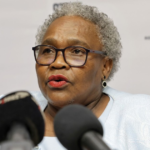
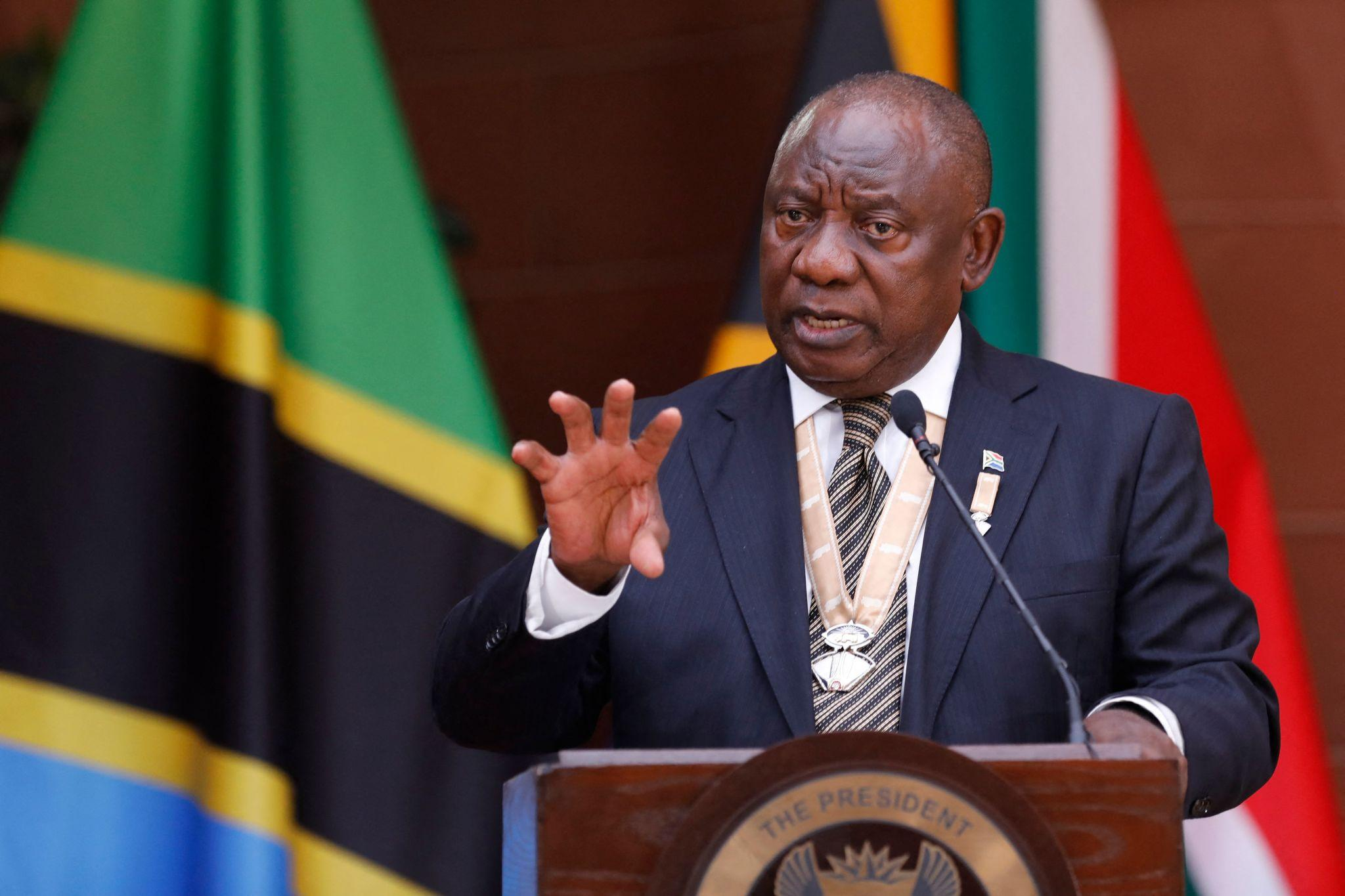
South African President Cyril Ramaphosa has dismissed Social Development Minister Sisisi Tolashe in one of the most politically significant Cabinet shake-ups of 2026, ending months of mounting controversy surrounding the embattled minister.
- A Dramatic Fall for Sisisi Tolashe
- The Allegations That Intensified the Crisis
- Why the Department Matters So Much
- Ramaphosa’s Delayed Response Draws Criticism
- Sindisiwe Chikunga Takes Over Temporarily
- Public Reaction: Relief, Frustration, and Demands for Accountability
- The Broader Political Implications
- What Happens Next?
The Presidency confirmed on 14 May 2026 that Tolashe had been removed from office in terms of Section 91(2) of the South African Constitution, which gives the president authority to appoint and dismiss Cabinet ministers. Sindisiwe Chikunga, Minister in the Presidency for Women, Youth and Persons with Disabilities, has been named acting minister while a permanent replacement is considered.
The move follows sustained public outrage, criminal complaints, parliamentary scrutiny, and damaging investigative reports involving allegations of undeclared luxury vehicles, questionable appointments inside the Department of Social Development, and alleged misuse of state-funded resources.


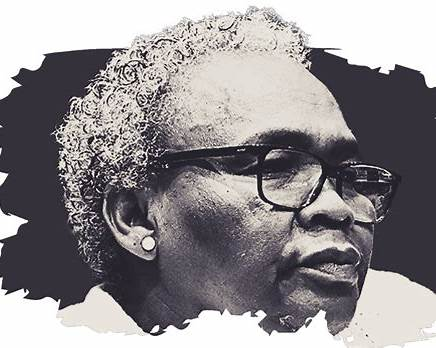
A Dramatic Fall for Sisisi Tolashe
Sisisi “Sisi” Tolashe had been regarded as a loyal African National Congress (ANC) political operator for years. Before serving as Minister of Social Development, she held several influential positions inside the ANC Women’s League and broader party structures.
Her appointment as Social Development Minister after the 2024 general election placed her in charge of one of the country’s most sensitive and financially critical departments. The department oversees social grants supporting more than 26 million South Africans and manages nearly R300 billion in public funds.


But by early 2026, her ministry had become engulfed in scandal.
Investigations and parliamentary disclosures revealed allegations that two luxury Chinese SUVs donated to the ANC Women’s League were never properly disclosed to Parliament. Reports later indicated the vehicles had allegedly been registered in the names of Tolashe’s children, with one reportedly sold.
The controversy triggered complaints to Parliament’s Ethics Committee, criminal charges from the Democratic Alliance and ActionSA, and calls from civil society groups for Ramaphosa to take action.
The Allegations That Intensified the Crisis
The SUV controversy was only one part of the broader governance crisis surrounding the minister.


Investigative reporting also exposed allegations involving:
- irregular appointments within the Department of Social Development;
- claims that an allegedly unqualified 22-year-old acting chief of staff had been appointed;
- disputes over the department’s director-general position;
- accusations of misleading Parliament;
- allegations involving a state-funded aide working at Tolashe’s private residence.
One particularly damaging allegation claimed a departmental employee working at Tolashe’s home in East London was allegedly required to transfer R7,000 monthly to the minister’s daughter to contribute toward “household expenses.”
Tolashe repeatedly denied wrongdoing and insisted that several decisions had been made by departmental officials rather than herself. She also maintained that the donated SUVs were intended for the ANC Women’s League and that she had merely kept them in safekeeping.
However, criticism continued to grow as opposition parties intensified pressure on the presidency.
Why the Department Matters So Much
The Department of Social Development occupies a uniquely important role in South African governance.
It administers grants for pensioners, children, persons with disabilities, and vulnerable households. Millions of citizens depend on the department’s systems for survival, especially amid ongoing unemployment and economic hardship.
According to reports, the department is overseeing a 2026 social grants allocation of approximately R292.8 billion.
That scale made the allegations surrounding Tolashe especially politically damaging.
DA leader Geordin Hill-Lewis argued that the department “must be an example of care, integrity and service.”
Critics said the allegations undermined public trust in one of the state’s most important social protection institutions.
Ramaphosa’s Delayed Response Draws Criticism
Although Ramaphosa ultimately dismissed Tolashe, many critics argued that the action came far too late.
Political commentators and civil society groups questioned why the president had not acted earlier despite months of investigations and public scrutiny. Some observers linked the delay to internal ANC factional politics and the sensitive role of the ANC Women’s League within party structures.
Daily Maverick analysis described Tolashe as a product of a political system that rewarded party loyalty over administrative competence.
The controversy also unfolded while Ramaphosa himself faces renewed political pressure linked to the long-running Phala Phala scandal. Parliament recently moved toward establishing an impeachment committee after a Constitutional Court ruling reopened scrutiny into allegations involving cash stolen from Ramaphosa’s farm.
Some critics accused the president of acting against Tolashe only after political pressure became impossible to ignore.
Sindisiwe Chikunga Takes Over Temporarily
Following Tolashe’s dismissal, Ramaphosa appointed Sindisiwe Chikunga as acting minister.
Chikunga already serves as Minister in the Presidency for Women, Youth and Persons with Disabilities and is expected to manage the portfolio until a permanent appointment is made.
Her appointment, however, has also attracted scrutiny from critics who argue the government must do more than simply reshuffle political figures if it wants to restore confidence in public institutions.
The presidency has not yet indicated who may permanently replace Tolashe.
Public Reaction: Relief, Frustration, and Demands for Accountability
Reaction across South Africa was immediate and intense.
Many citizens welcomed the dismissal as overdue accountability. Others questioned whether removing Tolashe from Cabinet would lead to meaningful consequences if criminal investigations fail to produce prosecutions.
Comment sections and public discussions reflected widespread frustration with corruption allegations involving public officials. Several commentators argued that South Africans are increasingly tired of ministers accused of misconduct remaining in office for extended periods while investigations drag on.
Others argued that the controversy exposed deeper structural problems inside the ANC and the broader public administration system.
The Broader Political Implications
Tolashe’s removal may signal a significant moment for Ramaphosa’s presidency.
For years, the president has faced criticism for moving slowly against ministers accused of wrongdoing. By finally dismissing Tolashe, Ramaphosa may be attempting to reinforce his anti-corruption credentials at a politically vulnerable moment.
Yet the controversy also highlights the ongoing governance challenges facing South Africa’s coalition-era politics under the Government of National Unity (GNU).
Questions now remain about:
- whether criminal investigations against Tolashe will proceed;
- whether Parliament’s ethics processes will continue;
- how the Department of Social Development will restore credibility;
- whether further Cabinet changes could follow.
The scandal has also intensified debate over how political appointments are made within the ANC and whether factional loyalty continues to outweigh governance performance.
What Happens Next?
The immediate priority for government will be stabilising the Department of Social Development and reassuring millions of grant beneficiaries that services will not be disrupted.
At the same time, investigators, parliamentary ethics bodies, and opposition parties are expected to continue pursuing allegations linked to the luxury vehicle donations and other controversies.
For Ramaphosa, the dismissal may temporarily ease political pressure, but it also raises difficult questions about leadership, accountability, and the speed at which misconduct allegations are addressed inside government.
For Sisisi Tolashe, the dismissal marks a dramatic fall from political prominence after years inside the ANC leadership structure.
And for South Africans dependent on social grants and public services, the episode has become another test of whether accountability in government can move beyond political statements and translate into lasting institutional reform.