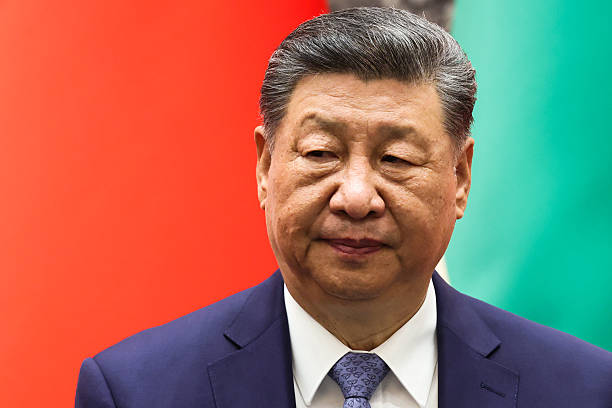
As United States President Donald Trump arrived in Beijing for a closely watched summit with Chinese President Xi Jinping, the visit underscored a reality that has become increasingly difficult for global leaders to ignore: Xi is now operating at the center of one of the most consequential geopolitical rivalries of the modern era.
The two-day meeting comes against the backdrop of escalating tensions over trade, artificial intelligence, Taiwan, rare earth minerals, and the continuing Iran conflict — all issues that place Xi Jinping and China in a position of growing strategic influence.
A Different China From 2017
Trump’s return to Beijing marks his first visit to China since 2017. But analysts say the geopolitical balance has shifted dramatically since then.
During Trump’s earlier visit, Xi greeted him with elaborate ceremonies inside Beijing’s Forbidden City, emphasizing China’s ancient imperial grandeur. This time, observers say the focus is not on history but on future dominance in technology, trade, and global influence.
China under Xi Jinping has become more assertive internationally while also strengthening its grip domestically. The country now plays a central role in supply chains, critical mineral production, emerging technologies, and global energy dynamics.
“This is looking like it’s going to be one of the most lopsided summits of this type in a very long time,” China specialist Marc Lanteigne told France 24, arguing that American power has weakened both domestically and internationally over the past year.
The Trade War That Reshaped Relations
One of the summit’s key issues is the fragile trade relationship between Washington and Beijing.
Trump had attempted to revive an aggressive tariff strategy by imposing 145% tariffs on Chinese imports. Beijing responded forcefully by restricting exports of rare earth minerals — materials essential for smartphones, electric vehicles, semiconductors, and advanced weapons systems. The pressure ultimately forced Washington to reduce tariffs to 30%.
Rare earths have become one of Xi Jinping’s most powerful economic weapons.
China dominates much of the global supply chain for these materials, giving Beijing enormous leverage over industries worldwide. Patrick Nicchiarelli, a China specialist at ITSS Verona, described the situation as a “Chinese stranglehold on the industry.”
The dispute illustrates a broader shift in the relationship between the two superpowers. Trade is no longer merely about exports and imports — it has become deeply connected to national security, military readiness, and technological supremacy.
Xi’s Expanding Influence During the Iran Conflict
The ongoing Iran war has added another layer of complexity to the Trump-Xi talks.
China relies heavily on Iranian oil exports and remains Tehran’s largest trading partner. Beijing also possesses significant economic and diplomatic influence over Iran, making Xi a potentially important figure in efforts to stabilize the region.
The conflict has disrupted shipping routes and intensified concerns over the Strait of Hormuz, one of the world’s most critical energy chokepoints. Analysts believe Trump may attempt to persuade Xi to pressure Tehran into reopening the passage.
At the same time, the war has exposed vulnerabilities within the United States itself. Modern military equipment requires rare earth minerals, many of which come from China. As military stockpiles are depleted, Washington’s dependence on Chinese-controlled supply chains has become more visible.
Technology and the Battle for Future Dominance
Technology competition sits at the heart of Xi Jinping’s broader vision for China.
Trump arrived in Beijing accompanied by some of America’s most influential technology executives, including Tesla CEO Elon Musk, Nvidia CEO Jensen Huang, and Apple chief executive Tim Cook.
Before landing in China, Trump said he would ask Xi to “open up” China further to American businesses so that these executives could “work their magic.”
But the presence of Silicon Valley leaders also reveals how intertwined the two economies remain despite years of strategic rivalry. Tesla’s Shanghai Gigafactory and Nvidia’s business interests in China demonstrate that even amid political tensions, American corporations continue to rely heavily on Chinese markets.
Artificial intelligence has emerged as another key battleground. The rapid development of AI technologies has intensified competition between Washington and Beijing, with both nations seeking leadership in sectors that could define economic and military power for decades.
Taiwan Remains the Most Dangerous Flashpoint
While trade and technology dominate headlines, Taiwan remains perhaps the most sensitive issue in Xi Jinping’s foreign policy agenda.
China strongly opposes U.S. arms sales to Taiwan and views the self-governed island as part of its territory. Analysts believe Xi could attempt to push Washington toward a more explicit rejection of Taiwanese independence.
According to France 24’s analysis, a major diplomatic victory for Xi would be convincing the United States to move away from its long-standing “strategic ambiguity” toward openly opposing Taiwanese independence.
The issue is especially delicate because the Trump administration has sent mixed signals — approving major arms deals for Taiwan while also appearing reluctant to commit fully to defending the island militarily.
For Xi Jinping, Taiwan is not only a geopolitical issue but also a central component of his vision for China’s national rejuvenation.
Human Rights Pressure Follows Xi Into the Summit
Xi Jinping’s international image also continues to face scrutiny over press freedom and human rights issues.
Ahead of the summit, the International Press Institute urged Trump to raise the case of imprisoned Hong Kong media mogul Jimmy Lai directly with Xi. Lai, founder of the now-defunct pro-democracy newspaper Apple Daily, has spent more than five years in prison, much of it in solitary confinement.
IPI Executive Director Scott Griffen described Lai’s imprisonment as part of a wider global struggle against authoritarianism.
The organization also warned that Lai’s health has deteriorated significantly due to heart issues, diabetes, and hypertension while in custody.
The case highlights broader international concerns about media freedom in Hong Kong and mainland China under Xi’s leadership.
A Carefully Choreographed Welcome
China’s reception for Trump reflected Xi Jinping’s preference for symbolism and controlled diplomacy.
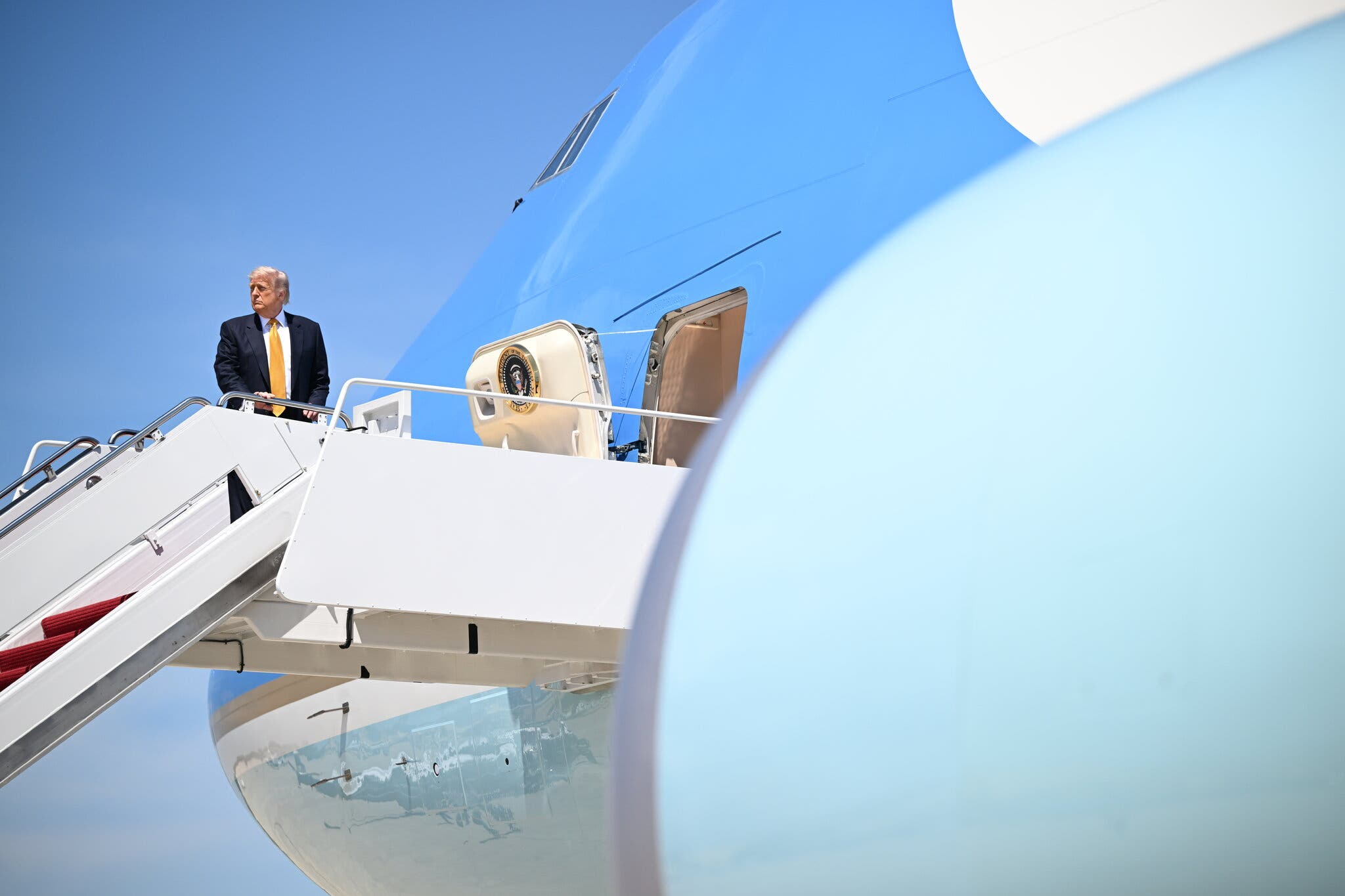
As Air Force One landed in Beijing, Chinese officials staged a highly choreographed ceremony featuring a military honour guard and students waving American and Chinese flags. Chinese Vice President Han Zheng personally greeted Trump on the tarmac — a gesture widely interpreted as a sign of diplomatic respect.
The event projected confidence from Beijing at a moment when China believes it holds considerable leverage in global affairs.
Public opinion inside China appeared cautiously hopeful. One Beijing resident quoted during the summit coverage said: “I just hope some good policies can come out of this.”
Xi Jinping’s Global Moment
For years, Xi Jinping has worked to position China as an alternative center of global power.
The combination of economic influence, technological ambitions, military modernization, and strategic patience has allowed Beijing to expand its international reach during periods of instability elsewhere.
Some analysts argue that Trump’s aggressive foreign policy — including tensions with allies and the ongoing Iran conflict — has unintentionally strengthened Xi’s image internationally.
At the same time, China faces its own challenges, including economic slowdown, demographic pressures, and growing suspicion from Western governments.
Still, the summit demonstrates that Xi Jinping remains one of the most influential political figures in the world. Decisions made in Beijing now carry implications far beyond China’s borders — affecting global markets, energy prices, military stability, and the future of international alliances.
Conclusion
Xi Jinping enters the current phase of U.S.-China relations from a position many analysts view as increasingly strong.
From rare earth leverage and trade negotiations to Taiwan tensions and the Iran conflict, China under Xi has become deeply embedded in the world’s most critical strategic questions. The Beijing summit with Donald Trump is not simply another diplomatic meeting — it is a test of how the global balance of power may evolve in the coming years.
Whether the talks lead to cooperation or deeper rivalry, Xi Jinping’s role in shaping the international order appears more significant than ever.