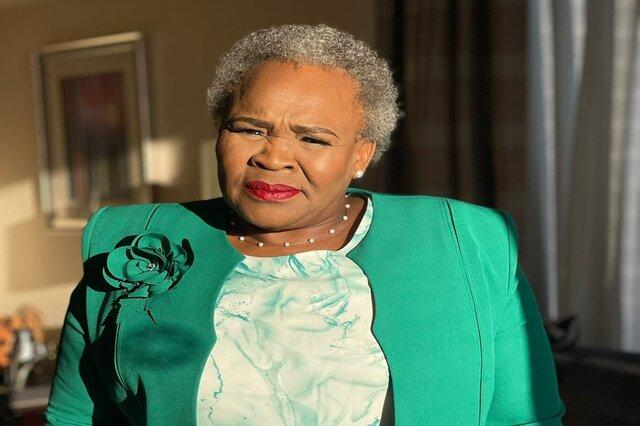
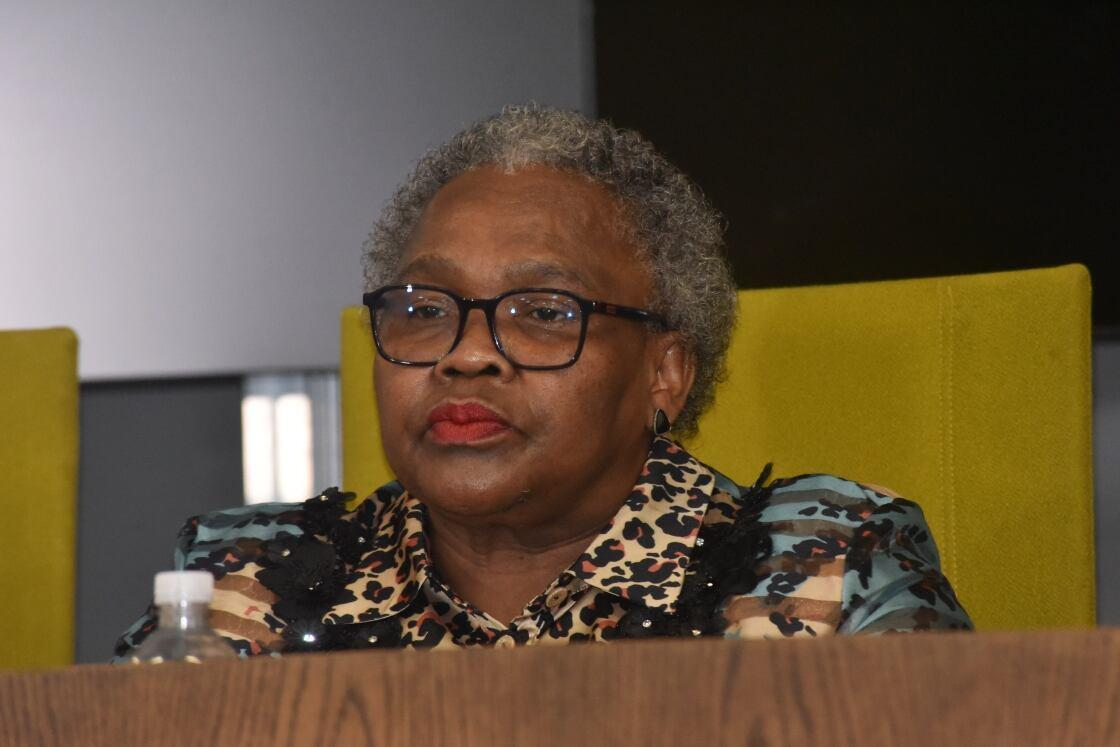
Minister Tolashe News: Why Ramaphosa Removed Her

9 Min Read

Minister Tolashe News: The Scandals, Pressure, and Political Fallout Behind Her Removal

South African politics was rocked this week after President Cyril Ramaphosa removed Social Development Minister Sisisi Tolashe from Cabinet following mounting public controversy, opposition pressure, and a series of damaging allegations tied to ethics breaches, questionable appointments, and misuse of state-linked resources.

The dismissal has triggered strong reactions across the political spectrum, with parties inside and outside the Government of National Unity (GNU) describing the move as a major test of accountability in government. The Democratic Alliance (DA), which had publicly demanded her removal, welcomed the decision as a victory for integrity and clean governance.

Tolashe’s exit comes after weeks of escalating scandals involving alleged undeclared luxury gifts, a controversial “state-funded nanny” salary arrangement, disputes over department appointments, and growing scrutiny surrounding her leadership at the Department of Social Development.

President Ramaphosa removes Minister Sisisi Tolashe after mounting scandals, DA pressure, and allegations involving luxury gifts and appointments.

DA Claims Victory After Sustained Campaign

The Democratic Alliance quickly responded to the announcement, saying the firing followed “relentless pressure” from the opposition party.

In an official statement issued on 15 May 2026, DA leader Geordin Hill-Lewis said:

“Mrs Tolashe’s position in the Cabinet was untenable, and the President has done the right thing. The DA will always champion accountability, integrity and clean government.”

The party also urged President Ramaphosa to move quickly in appointing a permanent replacement for the Department of Social Development, arguing that the ministry plays a crucial role in supporting vulnerable South Africans.

According to the DA:

“South Africans deserve a competent and credible Minister who can lead this critical department with integrity, stability and a clear focus on serving vulnerable people who depend on its support.”

The DA’s position reflected broader criticism that the department had become distracted by political controversy at a time when millions rely on social grants and welfare support.

The Scandals That Intensified Pressure

Tolashe’s removal did not happen in isolation. It followed a chain of allegations and investigations that steadily damaged her credibility in Parliament and among coalition partners.

One of the most explosive controversies centered on allegations involving luxury Chinese-made SUVs reportedly linked to donations intended for the ANC Women’s League (ANCWL), which Tolashe leads.

Reports indicated the vehicles were allegedly registered in the names of her children rather than the organization itself. The ANCWL later reportedly denied having official records of the donation.

ActionSA MP Dereleen James subsequently laid criminal charges against Tolashe, accusing her of misleading Parliament over undeclared luxury gifts.

The scandal deepened further when reports surfaced about an alleged arrangement involving a “state-funded nanny.” According to parliamentary discussions and media investigations, Tolashe told MPs that her daughter independently arranged to share the employee’s salary. The controversy generated widespread criticism online and across political circles.

Television broadcasts and digital platforms amplified the issue, with multiple political commentary programs dissecting the allegations and public anger intensifying across social media platforms.

Questions Around Departmental Appointments

Another major issue involved the appointment of former department director-general Fhumulani Netshipale.

A forensic investigation reportedly found serious irregularities in the process surrounding a five-year contract that allegedly contradicted Cabinet approval for a shorter term. Investigators concluded it was “highly unlikely” that Tolashe was unaware of the appointment details or that her electronic signature had been used without authorization.

The controversy raised broader concerns about governance standards within the Department of Social Development and added to calls for decisive presidential action.

At the same time, Tolashe’s special adviser, Ngwako Kgatla, was suspended following findings by the Public Service Commission. The department confirmed he would remain on full pay while investigations continue.

Together, these controversies created a perception of administrative instability within one of South Africa’s most sensitive government departments.

Ramaphosa Responds Amid Growing Pressure

By mid-May 2026, pressure on President Ramaphosa had reached a tipping point.

Political parties, civil society groups, and media organizations increasingly questioned whether the president would act against a minister facing such sustained scrutiny.

On 14 May 2026, Ramaphosa officially removed Tolashe from Cabinet and appointed Sindisiwe Chikunga, Minister in the Presidency for Women, Youth and Persons with Disabilities, as acting Minister of Social Development.

The decision was immediately welcomed by opposition parties.

ActionSA described the dismissal as a “clear vindication” of its campaign against alleged corruption and misconduct. However, the party insisted that further accountability measures were still necessary.

“All monies must be paid back for those cooked CVs,” said ActionSA MP Dereleen James.

Rise Mzansi also supported the removal, saying the move was necessary to restore public trust in the department’s leadership.

Why the Social Development Portfolio Matters

The Department of Social Development is one of South Africa’s most important government institutions. It oversees social grants, welfare services, child protection programs, and support for vulnerable communities.

Any instability within the department has serious implications for millions of South Africans who depend on state assistance.

That is why political analysts say Ramaphosa’s next appointment will carry significant weight. The president faces pressure to select a minister capable of restoring credibility, improving administration, and rebuilding public confidence.

The controversy also arrives at a politically sensitive moment for the ANC, which continues to face criticism over governance failures, corruption allegations, and public-sector accountability.

The Public and Political Impact

The Tolashe saga has become more than just a Cabinet reshuffle story. It has evolved into a wider debate about ethics in public office, transparency, and political accountability in South Africa.

For many South Africans, the allegations involving luxury vehicles and alleged misuse of state-linked benefits struck a nerve during a period marked by unemployment, economic hardship, and pressure on public services.

Political commentators argue the episode demonstrates how media investigations, parliamentary oversight, and opposition pressure can collectively influence executive action.

At the same time, critics of the ANC say the situation reflects deeper systemic governance problems that extend beyond one minister.

What Happens Next?

Attention now shifts to three key developments:

1. Permanent Ministerial Appointment

President Ramaphosa is under pressure to appoint a permanent Social Development Minister quickly to stabilize the department.

2. Possible Investigations

Opposition parties continue to demand deeper investigations into the allegations surrounding luxury vehicles, appointments, and financial arrangements tied to Tolashe’s office.

3. ANC Political Fallout

As ANC Women’s League president, Tolashe’s removal could have broader internal political consequences within the ruling party.

The controversy may also influence debates ahead of future ANC leadership and policy discussions.

A Defining Moment for Government Accountability

The dismissal of Sisisi Tolashe marks one of the most politically significant Cabinet removals of 2026 so far.

While opposition parties are celebrating the decision as proof that sustained public pressure can force accountability, the long-term significance will depend on whether investigations continue and whether stronger governance reforms follow.

For South Africans watching closely, the episode has become a powerful reminder that public trust in leadership can quickly erode when allegations of misconduct and administrative irregularities dominate the national conversation.

And for President Ramaphosa, the challenge now is not only replacing a minister — but convincing the country that accountability in government is being applied consistently and credibly.

Share This Article