

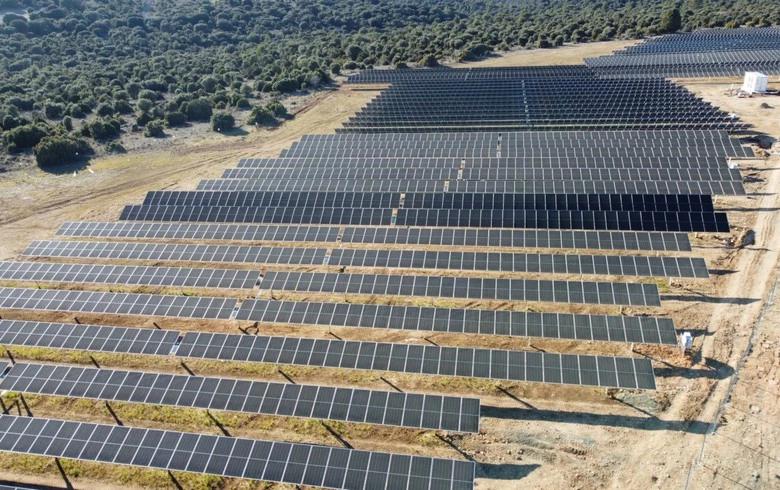
Solar Energy and Solar Power Are Reshaping the Global Electricity Market
Solar energy has moved from the margins of the global energy industry to the center of modern electricity production. Across Europe, vast solar parks now stretch across rural landscapes from Spain to Germany, while rooftop solar systems are becoming common in cities, suburbs, and industrial zones. The rapid expansion of solar power is transforming how electricity is generated, distributed, and consumed — but it is also exposing major weaknesses in aging energy infrastructure.
In 2026, the scale of solar generation has become so large that parts of Europe are now producing more electricity than grids can absorb during peak daylight hours. The result is an emerging paradox: while countries race to accelerate renewable energy adoption, massive amounts of clean electricity are increasingly being wasted.
At the same time, in countries such as South Africa, households investing in rooftop solar panels are finding themselves caught in political and financial battles over electricity pricing, grid access, and tariff structures.
Together, these developments reveal a global solar industry entering a new and more complex phase — one defined not only by growth, but by the challenge of integrating renewable energy into economic and electrical systems designed for a different era.
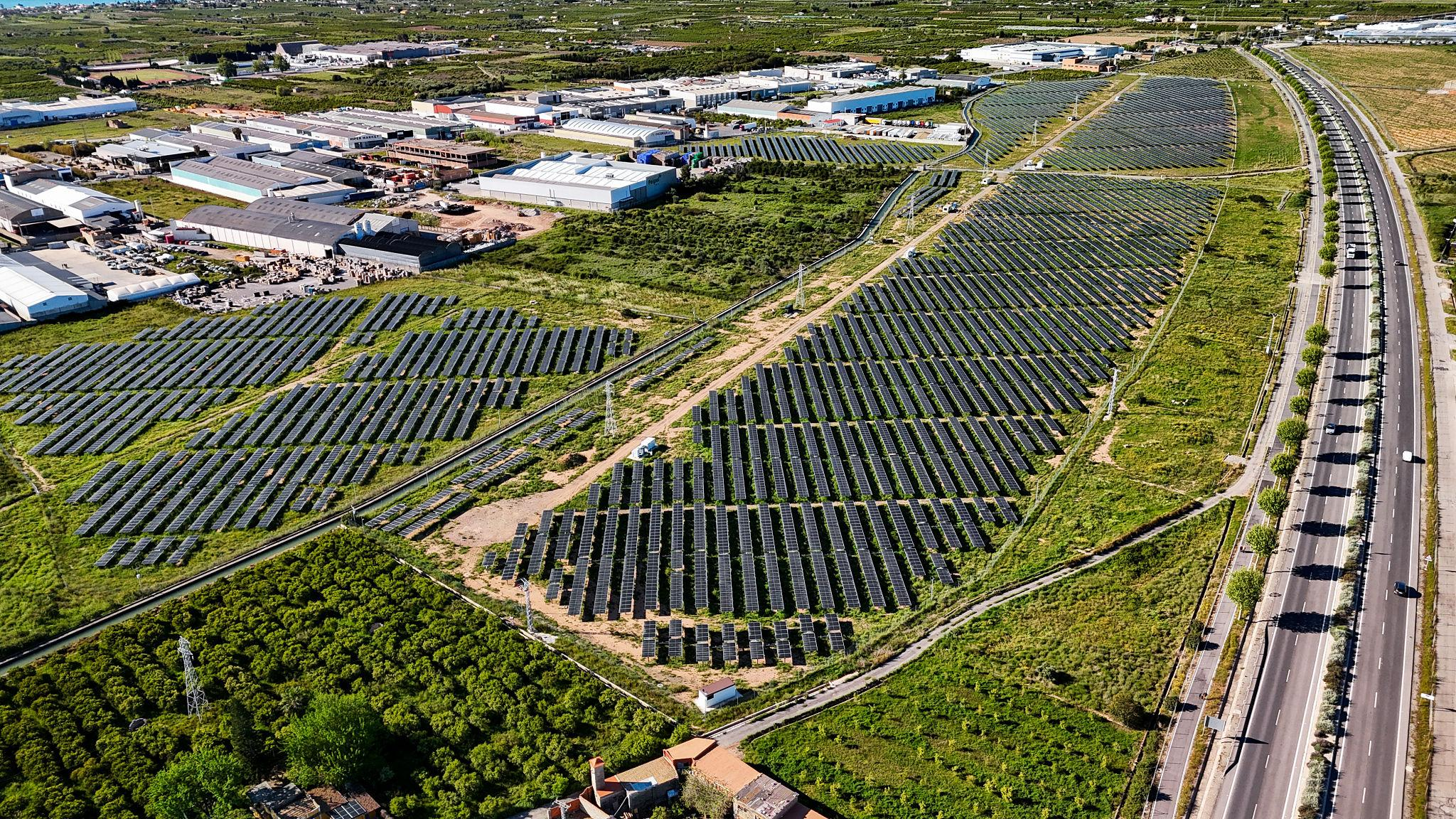
Europe’s Solar Boom Is Reaching Historic Levels
Over the past decade, Europe has installed hundreds of millions of solar panels. Solar power, once viewed as a niche or supplementary energy source, has evolved into one of the continent’s largest contributors to electricity generation during summer months.
Countries including Germany, France, Spain, Italy, and the United Kingdom have all expanded solar capacity aggressively. In many regions, solar generation records have already been broken during the spring of 2026, with additional milestones expected throughout the summer.
Spain has emerged as one of Europe’s most important solar power hubs. Thanks to abundant sunshine and aggressive renewable energy policies, the country has rapidly expanded both utility-scale solar farms and rooftop photovoltaic systems.
Large-scale projects across southern Spain now generate hundreds of megawatts of electricity. Some of Europe’s largest solar installations are located near Seville and other sun-rich regions, helping Spain position itself as a major renewable energy exporter.
According to SolarPower Europe, solar energy accounted for approximately 13.2% of EU electricity generation in 2025, with annual solar PV market growth continuing to accelerate.
The Unexpected Problem: Too Much Electricity
The success of solar power has created an unexpected challenge.
As solar farms generate enormous amounts of electricity during sunny periods, electrical grids are struggling to absorb the supply. Europe’s energy infrastructure was not originally designed to manage highly decentralized and weather-dependent renewable generation at such scale.
The consequence is a growing phenomenon known as curtailment — the forced shutdown of renewable energy plants because the electricity cannot be used or transported efficiently.
Reports indicate that Europe could waste approximately 40 terawatt-hours of electricity in the coming months alone — enough to power Greater London for an entire year.
This wasted energy highlights a critical mismatch between renewable generation capacity and supporting infrastructure such as:
- electricity storage systems
- transmission lines
- smart grid technologies
- flexible demand management systems
- cross-border energy distribution networks
During periods of intense sunshine and low electricity demand, wholesale power prices in several European countries have even fallen below zero. Analysts from Pexapark found that countries such as France, Germany, Italy, Poland, and Spain are experiencing increasing numbers of “negative price hours,” where electricity producers effectively pay to supply power to the grid.
France reportedly saw a dramatic collapse in solar capture factors between 2025 and 2026, with negative price periods rising sharply as oversupply conditions intensified.
These trends suggest that Europe’s renewable energy transition is entering a more sophisticated stage where generation growth alone is no longer sufficient.
Why Solar Power Expanded So Quickly
Several factors helped accelerate solar energy adoption worldwide.
Falling Technology Costs
Solar panel manufacturing costs have dropped dramatically over the past two decades. Improvements in photovoltaic efficiency, mass production, and international competition made solar systems more affordable for governments, businesses, and households.
Climate Policies and Energy Security
Governments introduced subsidies, renewable energy mandates, and tax incentives to reduce dependence on fossil fuels and cut carbon emissions.
Following the energy crisis triggered by geopolitical tensions and rising gas prices, many European countries accelerated renewable investments to strengthen energy independence.
Corporate Investment
Energy companies increasingly shifted capital toward renewable projects. Firms such as TotalEnergies and RWE have launched massive solar developments across Europe, including large-scale solar clusters in Spain.
One major solar portfolio near Seville reportedly delivers 263 megawatts of installed capacity and generates enough electricity to supply more than 150,000 households annually.
Solar Energy’s Growing Role Beyond Europe
While Europe is experiencing infrastructure strain from renewable success, other parts of the world are still struggling to expand clean energy access.
In South Africa, rooftop solar adoption surged during years of severe electricity shortages and load-shedding. Households and businesses invested heavily in private solar systems, batteries, and hybrid energy solutions to reduce dependence on Eskom and unstable grid supply.
Analysts estimate rooftop solar generation in South Africa increased from approximately 2.5 GW four years ago to around 7.5 GW in 2026. This significantly reduced daytime electricity demand and eased pressure on the national grid.
However, the financial structure surrounding electricity pricing has become increasingly controversial.
South Africa’s “War on Solar”
According to GoSolr’s 2026 quarterly “Light Paper,” some municipalities are effectively discouraging solar adoption through tariff changes and rising fixed electricity charges.
Johannesburg, for example, now requires many households installing solar systems to switch from prepaid electricity tariffs to postpaid systems. This transition can trigger dramatically higher fixed monthly charges.
Some customers reportedly face fixed charges of up to R1,761 per month before using any electricity.
GoSolr described the situation as a potential “war on solar,” arguing that the pricing model punishes households investing in distributed energy generation rather than encouraging it.
The company warned that South Africa risks entering a “pricing death spiral” where:
- More consumers reduce grid dependence
- Utilities lose revenue
- Fixed charges increase
- More consumers leave the grid
This cycle could place growing financial pressure on remaining electricity users.
Andrew Middleton, CEO and Co-Founder of GoSolr, argued that “stability without affordability is not success.”
The Infrastructure Race Has Begun
The next chapter of solar energy development may depend less on panel installation and more on infrastructure modernization.
Battery Storage
Large-scale battery systems are becoming essential for storing excess daytime electricity and releasing it during evening demand peaks.
Battery technology is now viewed as one of the most critical complements to renewable expansion. Without sufficient storage capacity, solar overproduction will continue leading to electricity waste.
Smarter Grids
Modern smart grids can better manage variable renewable generation by balancing supply and demand in real time.
Digital grid systems may help utilities predict solar output, shift electricity flows dynamically, and improve efficiency across interconnected networks.
Interconnectors
European countries are increasingly investing in cross-border transmission systems that allow surplus renewable electricity to move between regions.
If one country produces excess solar power during sunny conditions, improved interconnection could allow that electricity to support neighboring markets instead of being curtailed.
Solar Power Is Expanding Into Everyday Life
Solar energy is no longer limited to giant utility-scale projects.
Across Europe, smaller and more flexible forms of solar technology are becoming increasingly popular. Some countries are encouraging “balcony solar panels” that apartment residents can plug directly into household sockets.
The United Kingdom is also considering expanded rooftop solar strategies targeting warehouses, industrial buildings, and residential properties as part of broader renewable energy goals.
Agrivoltaics — the combination of farming and solar generation — is also gaining momentum. These systems allow agricultural production and renewable energy generation to coexist on the same land, reducing land-use conflicts while improving sustainability.
The Future of Solar Energy
Despite the growing pains facing the industry, solar power remains one of the fastest-growing energy technologies in the world.
Experts believe future success will depend on integrating solar generation with:
- energy storage
- flexible electricity markets
- advanced forecasting systems
- electric vehicle charging infrastructure
- decentralized energy networks
Spain alone is expected to dramatically expand solar capacity by 2030 as part of broader European climate goals.
At the same time, policymakers will increasingly face difficult questions about electricity pricing, grid modernization, and how to ensure renewable energy remains economically sustainable for both utilities and consumers.
Conclusion
Solar energy has evolved from an alternative technology into a defining force in the global electricity market. Europe’s renewable revolution demonstrates how rapidly solar power can transform energy systems, but it also reveals the enormous infrastructure challenges created by success.
In some regions, electricity grids are already struggling to handle renewable oversupply. In others, households investing in rooftop solar are confronting financial and regulatory resistance.
Yet the broader trajectory remains clear: solar power is becoming central to the future of energy.
The coming decade will determine whether countries can build the storage systems, smart grids, pricing structures, and policy frameworks needed to fully unlock the promise of renewable electricity — without wasting the clean energy being generated at unprecedented scale.


