Jason Collins Cause of Death: How the NBA Pioneer Died and Why His Legacy Still Matters
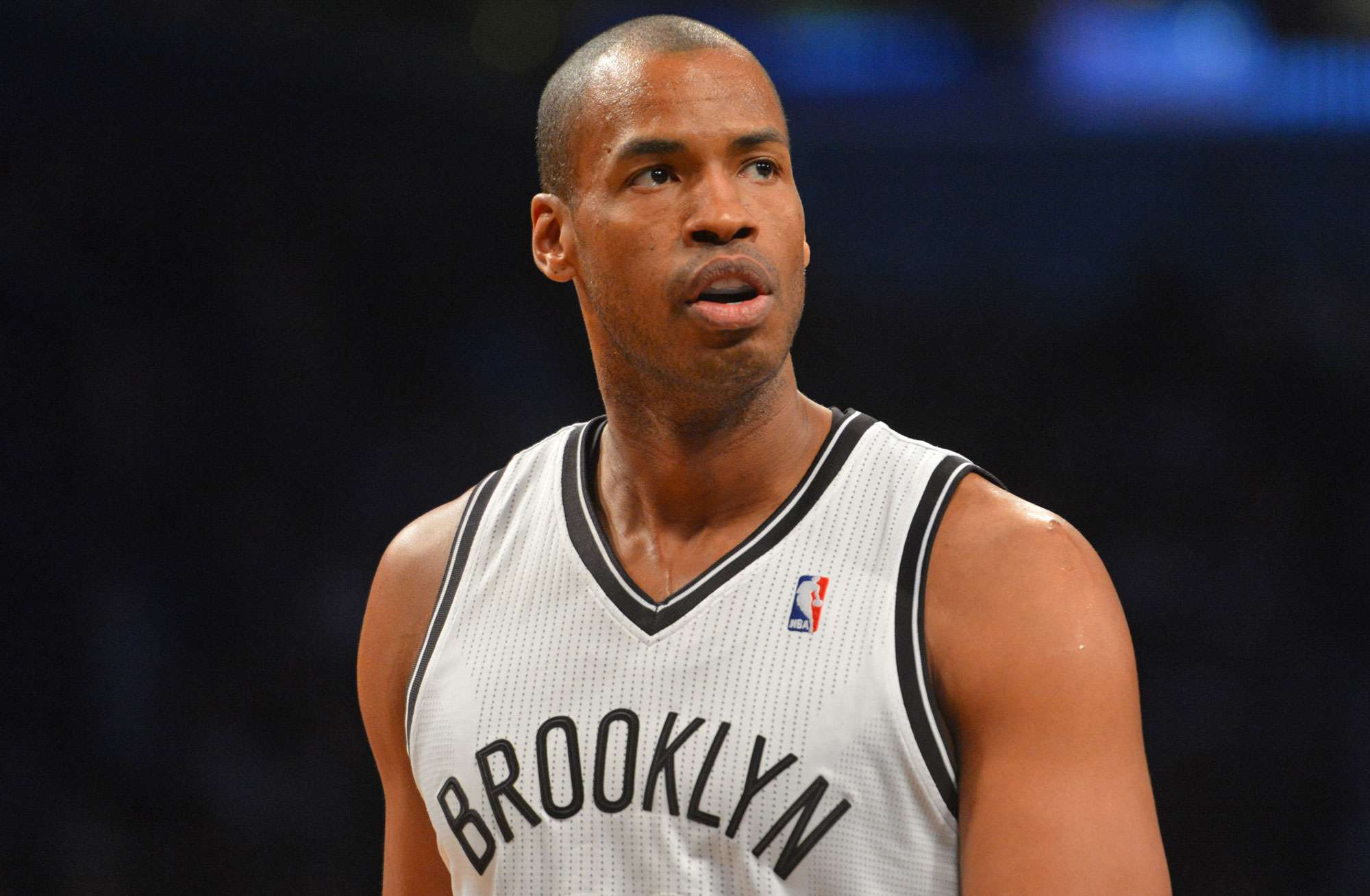
Jason Collins, the former NBA center who changed the history of professional basketball by becoming the league’s first openly gay active player, has died at the age of 47 after a battle with glioblastoma, an aggressive form of brain cancer. His death has brought renewed attention not only to his cause of death, but also to the long arc of his life: his NBA career, his twin brother Jarron Collins, his husband Brunson Green, his place in sports history, and the cultural impact of the words that made him a pioneer.
- How Did Jason Collins Die?
- What Is Glioblastoma?
- Jason Collins’ NBA Career: More Than a Historic Headline
- The 2013 Moment That Changed Sports
- Adam Silver’s Tribute to Jason Collins
- Jason Collins’ Husband: Who Is Brunson Green?
- Jason Collins and Jarron Collins: Twin Brothers in Basketball
- Remembering Jason Collins’ Stats and Style of Play
- Why Jason Collins’ Death Resonated Beyond the NBA
- A Separate Note on Brandon Clarke and NBA Mourning
- The Legacy of Jason Collins
Collins was a 7-foot center who spent 13 seasons in the NBA, playing across six franchises and building a reputation as a durable, physical, team-first big man. But his name became part of sports history in 2013, when he publicly came out as gay while still active as a professional player. That announcement made him the first openly gay active NBA player and one of the most significant figures in the broader movement for LGBTQ+ visibility in major American men’s sports.
How Did Jason Collins Die?
Jason Collins died after what his family described as “a valiant fight with glioblastoma.” The former Brooklyn Nets and Atlanta Hawks player had been diagnosed with the disease the previous year, and reports described the illness as Stage 4 glioblastoma, one of the most aggressive forms of brain cancer.


His family confirmed his death in a statement that reflected both grief and gratitude:
“We are heartbroken to share that Jason Collins, our beloved husband, son, brother and uncle, has died after a valiant fight with glioblastoma,” Collins’ family said in a statement.
They added:


“Jason changed lives in unexpected ways and was an inspiration to all who knew him and to those who admired him from afar.
“We are grateful for the outpouring of love and prayers over the past eight months and for the exceptional medical care Jason received from his doctors and nurses. Our family will miss him dearly.”
The cause of death was therefore brain cancer, specifically glioblastoma. The illness had reportedly advanced quickly, and Collins had spoken publicly before his death about the difficulty of facing the diagnosis while still holding on to the same honesty that defined his public life.
What Is Glioblastoma?
Glioblastoma is an aggressive brain cancer. In the information provided, it is described as a rare form of brain cancer with a median adult survival rate of 14.6 months, and more than 13,000 Americans are diagnosed with it every year. It is commonly found in people between 45 and 70 years old.
For Collins, the diagnosis came after a life spent in elite athletic environments, where size, strength, and endurance had defined his career. His death became a reminder that even athletes who appear physically powerful are vulnerable to severe illness. It also brought wider public attention to glioblastoma, a disease often discussed only when it touches a prominent family, athlete, or public figure.
Jason Collins’ NBA Career: More Than a Historic Headline
Before he became known as a trailblazer, Jason Collins was a serious basketball player with a long professional résumé. He entered the NBA in 2001 after playing college basketball at Stanford, where he and his twin brother, Jarron Collins, were both standout players. Jason was selected 18th overall by the Houston Rockets in the 2001 NBA Draft and was traded on draft night to the then-New Jersey Nets.


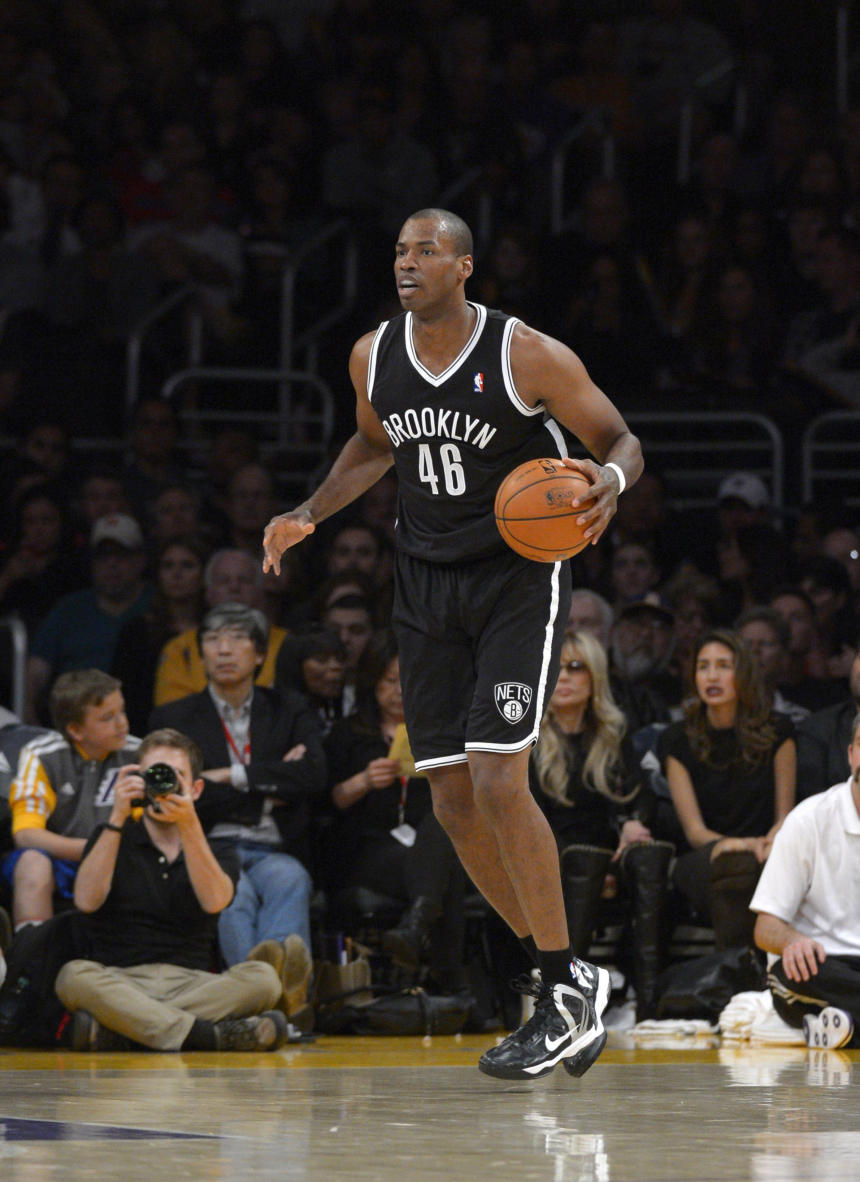
Collins went on to play 13 NBA seasons. His teams included the New Jersey/Brooklyn Nets, Memphis Grizzlies, Minnesota Timberwolves, Atlanta Hawks, Boston Celtics, and Washington Wizards. His best-known run came with the Nets, where he contributed during the franchise’s back-to-back NBA Finals appearances in 2002 and 2003.
Statistically, Collins was not a high-scoring star. He averaged 3.6 points and 3.7 rebounds per game across his NBA career. But numbers alone do not explain his value. He was a defensive center, a physical screen-setter, a matchup body, and a veteran presence trusted by coaches and teammates.
That distinction matters. Collins’ career was not built on highlight reels; it was built on reliability, professionalism, and a willingness to do the difficult interior work that helps teams function. In that sense, his basketball identity was consistent with the public image that later emerged: steady, disciplined, courageous, and deeply team-oriented.
The 2013 Moment That Changed Sports
Jason Collins’ defining public moment came in 2013, when he wrote the words that would follow him for the rest of his life:
“I’m a 34-year-old NBA center. I’m black. And I’m gay.”
Those words made him the first openly gay active NBA player. They also made him a central figure in a larger cultural shift inside American professional sports, where male athletes in major leagues had long faced intense pressure to conceal their sexuality.
Collins later reflected that he had not set out to become a symbol. But once he became the first, he accepted the responsibility of opening a door that had remained closed for too long. His announcement was not only a personal statement; it was a public challenge to the sports world to reconsider what courage, masculinity, and leadership could look like.
His return to the court with the Brooklyn Nets in 2014 gave that announcement further weight. He did not only come out and leave the game; he came out and continued to play. That fact made his story especially significant.
Adam Silver’s Tribute to Jason Collins
NBA Commissioner Adam Silver described Collins’ impact as something that reached well beyond the court:
“Jason Collins’ impact and influence extended far beyond basketball as he helped make the NBA, WNBA and larger sports community more inclusive and welcoming for future generations.
“He exemplified outstanding leadership and professionalism throughout his 13-year NBA career and in his dedicated work as an NBA Cares Ambassador. Jason will be remembered not only for breaking barriers, but also for the kindness and humanity that defined his life and touched so many others.
“On behalf of the NBA, I send my heartfelt condolences to Jason’s husband, Brunson, and his family, friends and colleagues across our leagues.”
Silver’s statement captured the two sides of Collins’ legacy: his professional basketball career and his influence as a human symbol. Collins was remembered not just because he broke a barrier, but because of how he carried himself afterward.
Jason Collins’ Husband: Who Is Brunson Green?
Jason Collins is survived by his husband, Brunson Green. In some online searches, the phrase “Brunson Green NBA player dies” may cause confusion, but Brunson Green was not the NBA player in this story. He was Collins’ husband, and Silver specifically extended condolences to him in the NBA’s statement.
Their relationship became part of the public story of Collins’ later life. Reports note that Collins wrote about marrying Brunson Green, whom he described as “the love of my life,” before his illness became widely known.
In the public remembrance of Collins, Brunson’s name stands as part of the family circle that supported him through illness and as a reminder of the personal life Collins eventually chose to live openly.
Jason Collins and Jarron Collins: Twin Brothers in Basketball
Jason Collins’ story is also closely connected to his twin brother, Jarron Collins. Jason was born on Dec. 2, 1978, in Los Angeles, eight minutes before Jarron. The brothers grew up in Northridge and both became elite basketball players. At Harvard-Westlake, they helped win back-to-back California Division III titles. Later, both played at Stanford and both reached the NBA.
Jarron was drafted in the second round by the Utah Jazz in 2001, while Jason was selected in the first round. Their parallel careers made them one of basketball’s notable sibling stories, but those who knew Jason emphasized that he was distinct even as an identical twin.
Former Stanford head coach Mike Montgomery said:
“It’s hard to separate Jarron and Jason because they thought so alike, but even though he was an identical twin, Jason was unique in his own way. The impact he had on Stanford was immense, as he could match up against anyone in the country because he was big, smart, strong and skilled, all while being a very bright and nice person.”
Near the end of Jason’s life, Jarron accepted the inaugural Bill Walton Global Champion Award on his behalf because Jason was too ill to attend. Jarron said:
“This is such an honor for my brother, for our family,”
and added:
“I told my brother this before I came here: he’s the bravest, strongest man I’ve ever known.”
Remembering Jason Collins’ Stats and Style of Play
Search interest in “Jason Collins stats” often centers on whether his numbers matched the scale of his fame. The answer requires context. Collins averaged 3.6 points and 3.7 rebounds in the NBA, but his career lasted 13 seasons because teams valued his defensive intelligence, size, professionalism, and willingness to play a role.
He was 7 feet tall, or 2.13 meters, and played center at a time when physical post defense remained essential. His career included playoff experience, Finals appearances, and locker-room credibility. For teammates and coaches, his importance was not measured only by box-score production.
Dallas Mavericks coach Jason Kidd, who played with Collins on the New Jersey Nets and later coached him in Brooklyn, wrote after Collins’ death:
“This one hurts,”
“Jason Collins was a pioneer. He had courage like you’ve never seen. He was an incredible teammate. And having him in Brooklyn at the start of my coaching journey meant so much. Those who knew him were blessed to call him a friend. You are already missed my brother. Rest in power.”
That tribute says more about Collins’ standing inside the NBA than any single stat line could.
Why Jason Collins’ Death Resonated Beyond the NBA
The grief surrounding Collins’ death extended beyond basketball because his life touched multiple communities at once: NBA fans, former teammates, Stanford basketball, LGBTQ+ advocates, cancer awareness groups, and people who saw in him a model of public authenticity.
The National Basketball Players Association praised him as “one of our own” and recognized how his courage made him a global symbol for the LGBTQ+ community. The Human Rights Campaign also honored him as a groundbreaking figure whose decision to come out changed the conversation around men’s sports.
Kelley Robinson, president of the Human Rights Campaign, said:
“To call Jason Collins a groundbreaking figure for our community is simply inadequate. We truly lost a giant today,”
and added:
“He came out as gay — while still playing — at a time when men’s athletes simply did not do that. But as he powerfully demonstrated in his final years in the league and his post-NBA career, stepping forward as he did boldly changed the conversation. He was and will always be a legend for the LGBTQ+ community.”
A Separate Note on Brandon Clarke and NBA Mourning
Some coverage of Collins’ death also mentioned the NBA mourning another reported loss involving Memphis Grizzlies forward Brandon Clarke. However, Collins’ death, cause of death, family, career, and legacy are separate from that story. In relation to the search phrase “Brunson Green NBA player dies,” the central fact is that the NBA player who died was Jason Collins, while Brunson Green is Collins’ husband.
The Legacy of Jason Collins
Jason Collins’ life cannot be reduced to one announcement or one diagnosis. He was a son, husband, brother, uncle, teammate, Stanford standout, NBA veteran, Finals contributor, advocate, and public figure who carried an unusual historical burden with dignity.
In 2014, Collins told TIME:
“One goal that I have attained in my life that I’m very proud of is to have a positive impact on someone else’s life,”
“Hopefully my actions will make it easier for them to live their life, to be whoever they want to be.”
That may be the clearest summary of why his story endures. Jason Collins did not become famous because he chased attention. He became historic because he told the truth at a time when telling the truth still carried risk. His death at 47 is a loss for basketball, for his family, and for the many people who saw in him proof that authenticity and courage can change a culture.