

Jason Collins Brother: The Twin Bond Behind an NBA Pioneer’s Life and Legacy
Jason Collins will be remembered by basketball fans as a barrier-breaking NBA player, a respected veteran center, and the league’s first openly gay player. But behind that public history was a deeply personal relationship that shaped much of his journey: his bond with his twin brother, Jarron Collins.
Jarron Collins, a former NBA player in his own right, was more than Jason’s sibling. He was his twin, teammate in life, fellow Stanford standout, and one of the people closest to him during a career and a public life that carried both athletic pressure and cultural significance. Their story stretches from college basketball at Stanford to professional careers in the NBA, and finally to the emotional final months of Jason’s life.
Jason Collins died at age 47 after an eight-month battle with Stage 4 glioblastoma, an aggressive form of brain cancer. His family announced his death on Tuesday, May 12, 2026.
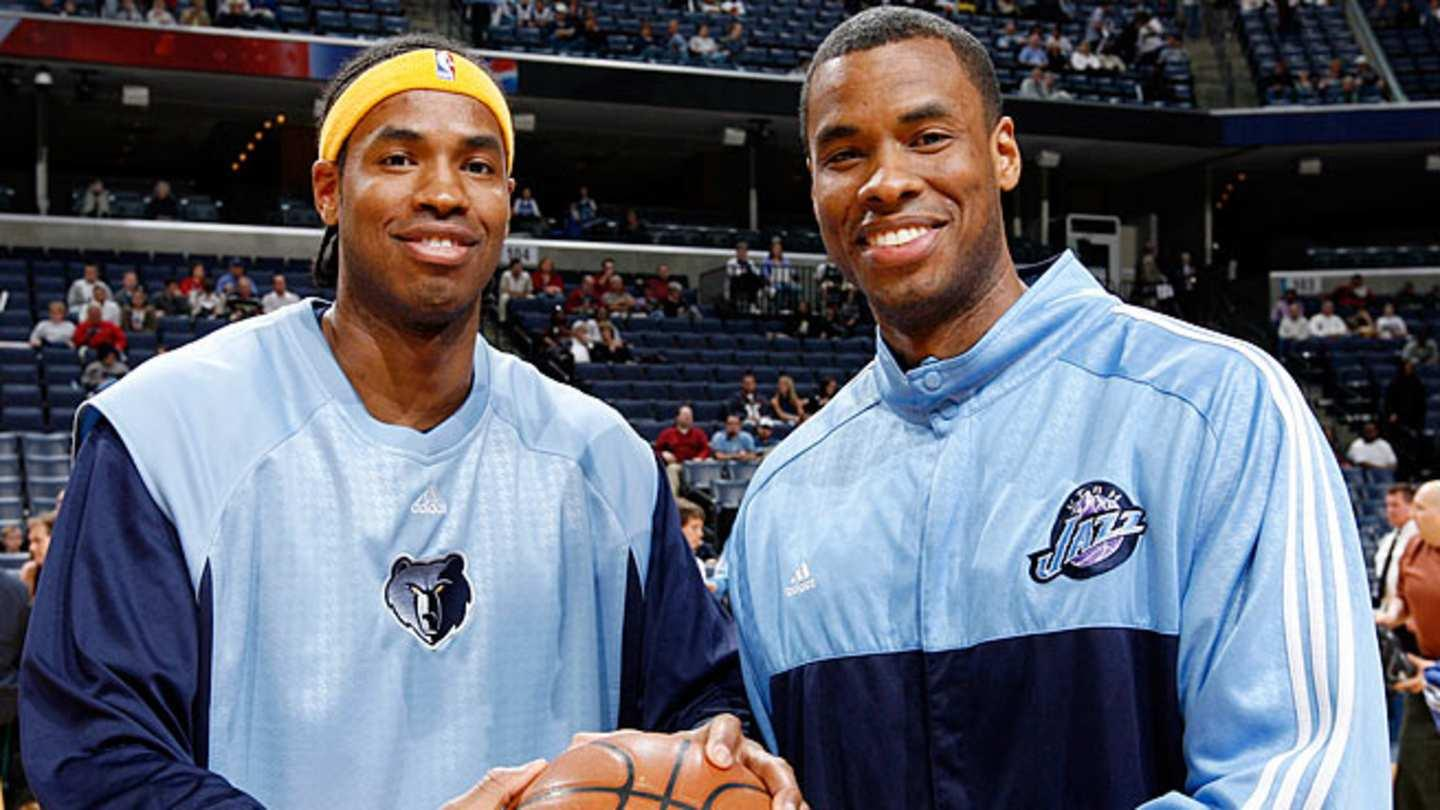
A Twin Brother Who Shared the Basketball Journey
The phrase “Jason Collins brother” most often refers to Jarron Collins, Jason’s twin brother and a former NBA player. Like Jason, Jarron built a basketball career that began long before the professional stage. Both brothers played college basketball at Stanford, where Jason became an All-Pac 12 player in the 2000-01 season before being selected No. 18 overall in the 2001 NBA Draft.
Jason went on to play 13 seasons in the NBA, appearing for six franchises and helping the then-New Jersey Nets reach the NBA Finals in back-to-back seasons in 2001-02 and 2002-03. He was a starter on the second of those Finals teams.
Jarron Collins also reached the NBA, including a stint with the Phoenix Suns during the 2009-10 season. While Jason became more widely known because of his historic public coming out in 2013, the brothers’ parallel careers made them one of the notable twin stories in modern basketball.
Jason Collins’ Historic Role in the NBA
Jason Collins’ name became part of sports history in 2013 when he came out as gay after the 2012-13 NBA season. He later returned to the Nets, becoming the first openly gay player to appear in an NBA game.
That moment placed Collins at the center of a broader conversation about LGBTQ+ inclusion in professional sports. For many athletes, fans, and advocates, his announcement carried meaning far beyond basketball. It challenged long-standing assumptions about masculinity, locker-room culture, and whether openly gay athletes could compete at the highest level of men’s professional team sports.
NBA commissioner Adam Silver later described that impact in expansive terms, saying: “Jason Collins’ impact and influence extended far beyond basketball as he helped make the NBA, WNBA and larger sports community more inclusive and welcoming for future generations.”
The Brother at His Side During a Final Honor
One of the most moving public moments involving Jarron Collins came shortly before Jason’s death. Last week, Jason received the inaugural Bill Walton Global Champion Award at the Green Sports Alliance Summit. He was too ill to attend, so Jarron accepted the honor on his behalf.
While accepting the award, Jarron said: “I told my brother this before I came here: He’s the bravest, strongest man I’ve ever known.”
That statement captured the emotional weight of their relationship. It was not only a tribute from one former athlete to another, but from a twin brother who had witnessed Jason’s life at its most private and public moments.
The Green Sports Alliance announced Jason as the first recipient of the Bill Walton Global Champion Award at its 2026 summit in Cleveland, recognizing him in the spirit of Walton’s values and public advocacy.
A Career Built on Teamwork, Defense and Professionalism
Jason Collins was not a high-scoring NBA star, but he was the type of player coaches trusted in structured, competitive environments. Across his NBA career, he averaged 3.6 points and 3.7 rebounds per game. His best statistical season came in 2004-05, when he averaged 6.4 points and 6.1 rebounds.
Those numbers tell only part of the story. Collins built his career as a physical, disciplined center who understood defensive positioning, screening, and team roles. His 13-year NBA career reflected durability, professionalism, and a willingness to do work that often does not dominate highlight reels.
Silver also said Collins “exemplified outstanding leadership and professionalism throughout his 13-year NBA career and in his dedicated work as an NBA Cares Ambassador.”
The Diagnosis: Stage 4 Glioblastoma
Jason Collins had been diagnosed with Stage 4 glioblastoma, one of the deadliest and most aggressive forms of brain cancer. According to the information provided, Collins said in November 2025 that “it came on incredibly fast.”
He reportedly traveled to Singapore in the wintertime to receive experimental treatments that had not yet been authorized in the United States. The treatment helped enough for Collins to return home and attend NBA All-Star weekend events in Los Angeles. He also attended a basketball game at Stanford, reconnecting with the university where he had made his name as a college player.
But the cancer returned. Collins died in Los Angeles at his home with family around him.
His family said in a statement released through the NBA: “Jason changed lives in unexpected ways and was an inspiration to all who knew him and to those who admired him from afar.”
They added: “We are grateful for the outpouring of love and prayers over the past eight months and for the exceptional medical care Jason received from his doctors and nurses. Our family will miss him dearly.”
Jarron Collins and the Meaning of Brotherhood
Jarron Collins’ role in Jason’s story matters because it gives the public legacy a human center. Jason’s life was often framed through history: the first openly gay NBA player, the veteran center, the inclusion pioneer, the ambassador. But to Jarron, he was also a brother whose courage had been visible long before the world recognized it.
The Collins brothers shared a rare path. They grew up together, developed as basketball players together, reached Stanford together, and both played professionally. Their lives then took different public shapes, with Jason becoming a landmark figure in LGBTQ+ sports history and Jarron continuing a basketball career that later included coaching roles.
In that sense, Jarron’s tribute — “He’s the bravest, strongest man I’ve ever known” — stands as one of the clearest summaries of Jason Collins’ legacy. It speaks not only to his public courage in coming out, but also to his private strength during illness.
Why Jason Collins’ Story Still Matters
Jason Collins’ death is a major loss for basketball, but his legacy remains active. His decision to come out in 2013 created a reference point for future athletes navigating identity, public pressure, and professional ambition. His later work as an NBA ambassador kept him connected to the league and to causes beyond the court.
His story also reminds readers that representation in sports is not abstract. It is built through individual acts of risk, honesty, and endurance. Collins did not simply make an announcement; he continued his career afterward, stepped back onto an NBA court, and became a visible example of inclusion in a league watched around the world.
Silver’s closing tribute emphasized that broader meaning: “Jason will be remembered not only for breaking barriers, but also for the kindness and humanity that defined his life and touched so many others.”
Conclusion: A Legacy Shared by Family, Basketball and History
Jason Collins’ brother, Jarron Collins, was one of the central figures in his life story — not because he overshadowed Jason’s achievements, but because he helped reveal the person behind them. Their twin bond connected two NBA careers, a Stanford legacy, and a deeply personal family story that remained present until Jason’s final public honor.
Jason Collins’ place in history is secure: NBA veteran, Finals starter, inclusion pioneer, and the league’s first openly gay player. But the words of his brother may be the most personal tribute of all. To Jarron Collins, Jason was “the bravest, strongest man I’ve ever known.”
That is the legacy behind the headline — not only a sports milestone, but a story of courage, family, identity, and love.


