


Jason Collins News: NBA Trailblazer Remembered for Courage, Kindness and a Legacy Beyond Basketball
Jason Collins, the former NBA center who became one of the most important barrier-breakers in modern American sports, has died at 47 after a battle with glioblastoma. His death has prompted an outpouring of grief across basketball, LGBTQ+ advocacy circles, and among fans who remember him not only as a professional athlete, but as a figure whose honesty helped reshape the conversation around identity in elite sports.
Collins was an NBA Cares Ambassador and a 13-year league veteran. But his place in history rests on something larger than box scores or team rosters: in 2013, he publicly came out as gay, becoming the first openly gay NBA player and one of the most visible LGBTQ+ athletes in major American professional team sports. His death on Tuesday, May 12, brings renewed attention to a life defined by athletic discipline, public courage, and a commitment to making sports more welcoming.
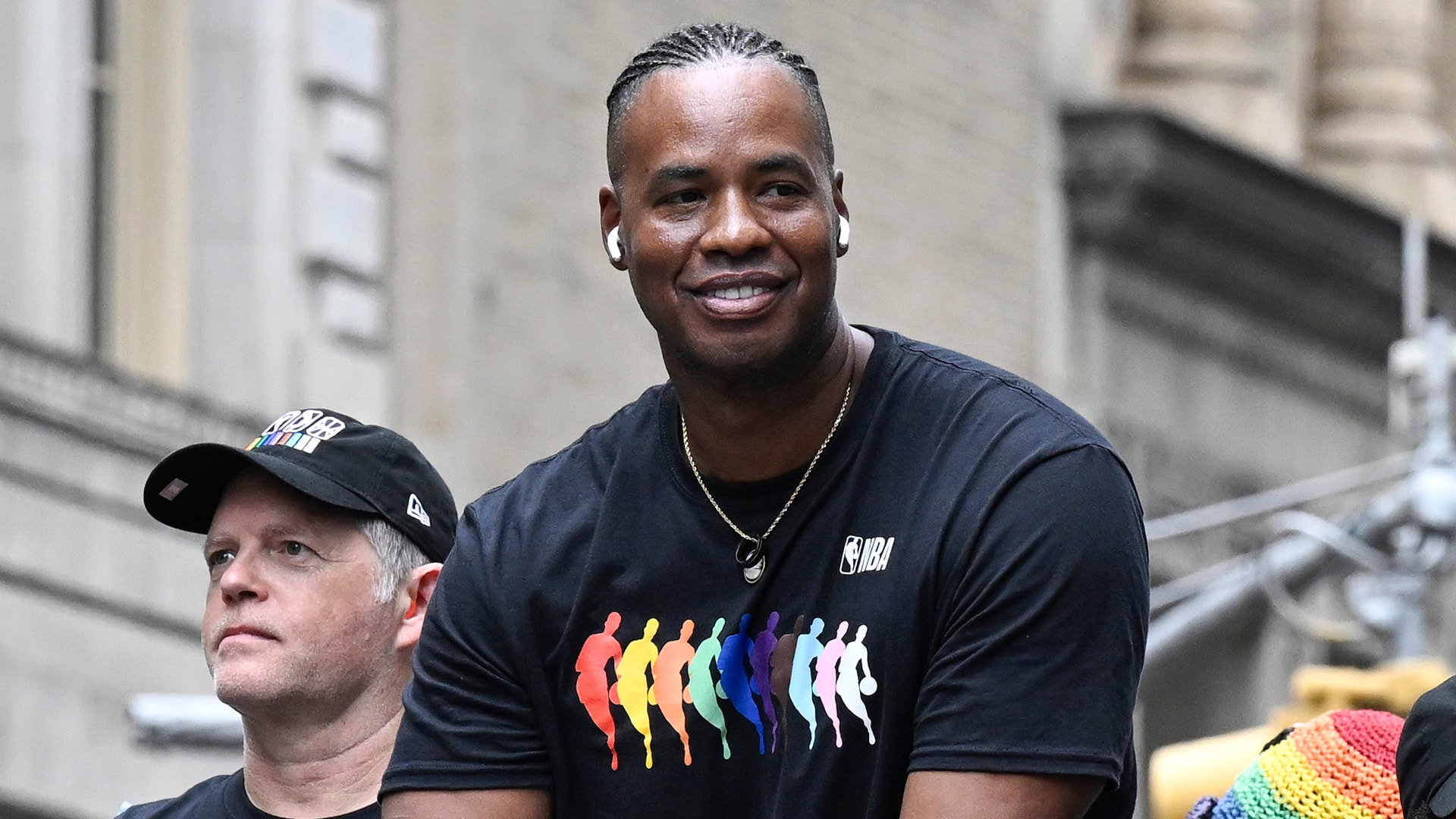
A Death That Resonated Far Beyond the NBA
The NBA confirmed that Collins died after what his family described as a “valiant fight with glioblastoma,” an aggressive form of brain cancer. The announcement immediately turned into a reflection on what Collins meant to basketball and to the wider culture.
NBA Commissioner Adam Silver paid tribute to Collins’ influence in a statement that captured the dual nature of his legacy: professional respect and social impact.
“Jason Collins’ impact and influence extended far beyond basketball as he helped make the NBA, WNBA and larger sports community more inclusive and welcoming for future generations. He exemplified outstanding leadership and professionalism throughout his 13-year NBA career and in his dedicated work as an NBA Cares Ambassador. Jason will be remembered not only for breaking barriers, but also for the kindness and humanity that defined his life and touched so many others.
“On behalf of the NBA, I send my heartfelt condolences to Jason’s husband, Brunson, and his family, friends and colleagues across our leagues.”
That statement is significant because it frames Collins not simply as a former player, but as a cultural figure whose influence continued after retirement. His work as an NBA Cares Ambassador kept him connected to community programs and social impact efforts, extending his visibility beyond the court.
The Family Statement: Grief, Gratitude and a Final Tribute
Collins’ family also released a statement emphasizing both the pain of his loss and the inspiration he provided to those around him.
“We are heartbroken to share that Jason Collins, our beloved husband, son, brother and uncle, has died after a valiant fight with glioblastoma.
“Jason changed lives in unexpected ways and was an inspiration to all who knew him and to those who admired him from afar. We are grateful for the outpouring of love and prayers over the past eight months and for the exceptional medical care Jason received from his doctors and nurses. Our family will miss him dearly.”
The reference to “the past eight months” places his illness in the context of a difficult final chapter. Collins had previously revealed that he was undergoing treatment for a brain tumor, and later described the cancer in stark, personal terms. Reports noted that he had spoken publicly about the diagnosis, explaining that the tumor was discovered after he began struggling to focus.
Understanding Glioblastoma
Glioblastoma is one of the most aggressive forms of brain cancer. It is a malignant brain tumor that can grow quickly and affect thinking, speech, vision, strength, sensation, balance or other neurological functions depending on its location. Treatments may slow tumor growth, but there is no known cure.
That medical reality adds gravity to Collins’ final public chapter. The same openness that marked his coming out also shaped the way he discussed illness. He reportedly described his tumor as “a monster with tentacles spreading across the underside of my brain the width of a baseball,” a vivid phrase that helped the public understand the severity of what he was facing.
From Stanford to a 13-Year NBA Career
Before Collins became a symbol of inclusion, he built a long and respected career as a basketball player. A California native, he played college basketball at Stanford University before entering the NBA. His professional career included time with the New Jersey Nets, Memphis Grizzlies, Minnesota Timberwolves, Atlanta Hawks, Boston Celtics, Washington Wizards and Brooklyn Nets.
Collins was not remembered as a superstar scorer. His value was different: size, defense, professionalism, screen-setting, physicality, and the kind of locker-room steadiness that keeps teams functional over a long season. He played 13 seasons in the NBA, a significant achievement in a league where careers are often short and roster spots are fiercely contested.
His strongest franchise association came with the Nets. He spent eight seasons in a Nets uniform and contributed during the team’s back-to-back Eastern Conference championship runs in 2002 and 2003. That period made him part of one of the most memorable eras in the franchise’s history.
The 2013 Moment That Changed Sports Conversation
Collins’ defining public moment came in 2013 when he came out as gay. His Sports Illustrated essay began with words that became instantly historic: “I’m a 34-year-old NBA center. I’m Black and I’m gay.”
The timing mattered. Collins was a free agent when he made the announcement, and there was uncertainty about whether an NBA team would sign him afterward. The broader cultural climate was also very different from today. Same-sex marriage was not yet legal nationwide in the United States, and openly gay male athletes remained rare in elite American team sports.
Collins later returned to the NBA with the Brooklyn Nets, making him the first openly gay athlete to play in one of the four major North American men’s professional sports leagues. That return was more than a roster move. It was a public test of whether professional sports could make room for an athlete who had chosen honesty over silence.
Why Jason Collins’ Coming Out Mattered
Collins’ announcement carried weight because professional sports have long been shaped by rigid ideas of masculinity, toughness and belonging. For decades, many LGBTQ+ athletes feared that coming out could cost them contracts, endorsements, team trust or public acceptance.
Collins disrupted that fear by attaching openness to professionalism. He did not frame his identity as separate from his career; he presented it as part of being whole. That is why his legacy is often discussed not only in relation to LGBTQ+ history, but also in relation to workplace culture, athlete mental health and institutional inclusion.
For younger athletes, Collins’ visibility created a reference point. For leagues, teams and executives, it reinforced the responsibility to build environments where athletes could compete without hiding central parts of themselves. For fans, it challenged stereotypes about who belongs in professional sports.
A Legacy of Kindness, Not Just Courage
Many public tributes to Collins focus on the word “barrier.” That is appropriate, but incomplete. The statements released after his death repeatedly emphasize his humanity, kindness and ability to bring people together.
This distinction matters. Collins’ impact was not only symbolic. He continued to appear in LGBTQ+ sports spaces, NBA community initiatives and public events after retirement. He used his platform to support inclusion in a way that was steady rather than performative.
The NBA’s tribute highlighted his “outstanding leadership and professionalism,” while his family said he “changed lives in unexpected ways.” Those phrases suggest a legacy built over time: in locker rooms, community programs, public conversations and personal interactions.
The Broader Impact on the NBA and Sports Culture
Collins’ story also belongs to the NBA’s broader evolution as a league that has increasingly embraced social impact, player identity and public advocacy. While challenges remain across sports, the visibility of figures like Collins helped push major leagues toward more deliberate inclusion policies and messaging.
His role also connected the NBA and WNBA in a shared conversation about LGBTQ+ representation. Silver’s statement specifically mentioned the NBA, WNBA and larger sports community, underscoring that Collins’ influence was not confined to men’s basketball.
In that sense, “Jason Collins news” is not only about the passing of a former player. It is about the continued relevance of what he represented: the right of athletes to be fully themselves, the importance of institutional support, and the cultural power of one person’s decision to speak publicly at a pivotal moment.
What Comes Next for His Legacy
Collins’ death is likely to renew discussions about LGBTQ+ inclusion in sports, athlete health, and glioblastoma awareness. His life connected all three themes in a rare and deeply human way.
Sports organizations may honor him through tributes, awards, community programs or continued support for LGBTQ+ athletes. His story may also continue to serve as a case study in courage for future generations of players who face pressure to hide parts of their identity.
Just as important, his illness may bring more public attention to glioblastoma, a devastating cancer that often remains poorly understood outside medical circles until it affects a prominent public figure.
Conclusion: Jason Collins’ Place in History Is Secure
Jason Collins’ life cannot be reduced to a single headline. He was a Stanford standout, a 13-year NBA veteran, a Nets contributor, an NBA Cares Ambassador, a husband, son, brother and uncle. He was also a historic figure whose decision to come out in 2013 helped move professional sports toward a more honest and inclusive future.
His death at 47 is a profound loss. But the response to it shows the scale of what he leaves behind: a legacy of courage, professionalism, representation and kindness. Collins helped prove that authenticity and elite competition are not opposites. In doing so, he changed basketball, expanded the imagination of sports culture, and gave countless people a reason to believe that visibility can open doors for others.


