

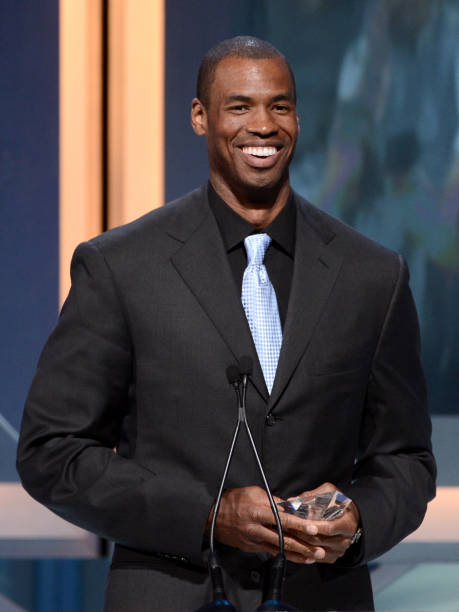
Jason Collins Cause of Death: Glioblastoma and the Legacy of an NBA Trailblazer
Jason Collins’ death at 47 has brought renewed attention to a rare and devastating form of brain cancer, but it has also reopened a larger conversation about courage, representation, and the lasting power of a life lived honestly in public.
The former NBA center, remembered as both a tough defensive presence and a historic figure in American sports, died after what his family described as a “valiant fight with glioblastoma.” His cause of death was confirmed as complications related to Stage 4 glioblastoma, an aggressive brain cancer that Collins had publicly disclosed months before his passing.
Collins was not a player defined by scoring records or celebrity spectacle. He built his NBA career on defense, professionalism, physicality, and sacrifice. Yet his place in sports history became far larger than the box score in 2013, when he came out publicly and became the first openly gay active player in NBA history.
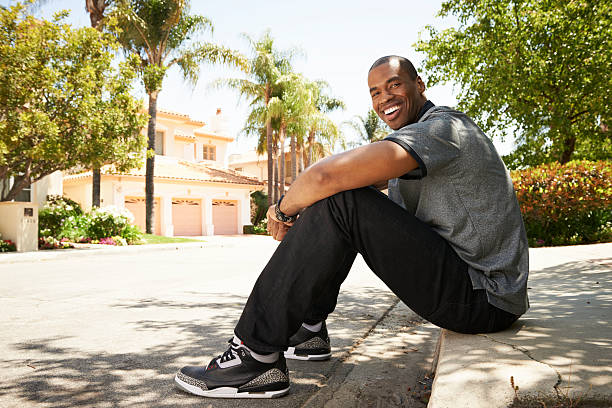
A Death That Prompted One Clear Question
As news of Collins’ passing spread, many fans searched the same question: What was Jason Collins’ cause of death?
The answer is direct. Collins died after battling glioblastoma, one of the deadliest forms of brain cancer. His family announced that he had died after his “valiant fight with glioblastoma,” while reports noted that he had revealed a Stage 4 diagnosis months earlier.
Glioblastoma begins in the brain or spinal cord and is known for its aggressive behavior. Collins himself had explained that the disease “came on incredibly fast” and described it as “one of the deadliest forms of brain cancer.”
His illness became public in stages. His family first announced in September 2025 that he was being treated for a brain tumor. By December, Collins shared that he had been diagnosed with Stage 4 glioblastoma.
The Fight Against Glioblastoma
The details of Collins’ final months reveal the seriousness of the disease and the determination with which he faced it. According to the provided information, he underwent radiation treatments, chemotherapy and immunotherapy in hopes of slowing the tumor’s growth.
He also spoke openly about why glioblastoma was so difficult to treat in his case.
“What makes glioblastoma so dangerous is that it grows within a very finite, contained space — the skull -— and it’s very aggressive and can expand,” he said. “What makes it so difficult to treat in my case is that it’s surrounded by the brain and is encroaching upon the frontal lobe — which is what makes you, ‘you.’”
Other reports included in the provided material said Collins pursued experimental treatments in Singapore that had not yet been approved in the United States. Those treatments initially showed encouraging results, allowing him to return home and attend public events, including NBA All-Star Weekend activities in Los Angeles and a basketball game at Stanford University.
But the cancer later returned and ultimately led to his death.
From Stanford to the NBA
Before he became a cultural pioneer, Collins was a respected basketball lifer. A 7-foot center, he was selected in the 2001 NBA Draft and went on to play 13 seasons in the league. His career included time with the New Jersey Nets, Brooklyn Nets, Atlanta Hawks, Boston Celtics, Washington Wizards, Memphis Grizzlies and other NBA franchises listed in the provided material.
Collins was not known as a high-volume scorer. His value came from defense, strength, positioning, and his willingness to do the less glamorous work that winning teams require. Coaches valued him for guarding larger centers at a time when traditional big men still had major influence in the NBA.
With the Nets, Collins helped define one of the franchise’s most memorable eras. The team later paid tribute to him, noting that he spent eight seasons with the organization and played a vital role on the back-to-back Eastern Conference championship teams in 2002 and 2003.
The Nets remembered him not only as a competitor but as “a genuinely kind, thoughtful person who brought people together.”
The 2013 Moment That Changed Sports
Collins’ defining public moment came in 2013, when he came out as gay in a Sports Illustrated essay. His words became instantly historic:
“I’m a 34-year-old NBA center. I’m Black and I’m gay.”
That declaration made Collins the first openly gay active player in any of the four major American men’s professional sports leagues, according to the provided information.
The announcement sparked global media coverage and a major conversation about LGBTQ+ visibility in men’s professional sports. It also changed the way many fans saw Collins. A center who averaged fewer than four points per game across his career suddenly became an emblem of honesty, representation and progress for people who had rarely seen themselves reflected in major men’s sports.
Collins later returned to the NBA with the Brooklyn Nets, appearing in 22 games before retiring in 2014.
More Than a Basketball Player
The reaction to Collins’ death was shaped by what he represented beyond basketball. NBA Commissioner Adam Silver honored his impact, saying it extended “far beyond basketball” and helped make sports “more inclusive and welcoming for future generations.”
His family’s statement captured the same idea in more personal terms.
“We are heartbroken to share that Jason Collins, our beloved husband, son, brother and uncle, has died after a valiant fight with glioblastoma,” they said.
“Jason changed lives in unexpected ways and was an inspiration to all who knew him and to those who admired him from afar.”
That phrase — “changed lives in unexpected ways” — is central to understanding Collins’ legacy. He did not become historic by chasing attention. He became historic by telling the truth about himself at a time when few active male athletes in major American sports had done so publicly.
Family, Brotherhood and Private Strength
The provided information also highlights Collins’ close family connections. His twin brother, Jarron Collins, was also deeply connected to basketball. Both brothers played college basketball at Stanford University before entering the NBA, and Jarron later moved into coaching.
Collins is survived by his husband Brunson Green, his parents Portia and Paul Collins, and his twin brother Jarron Collins.
Although public attention often focused on Collins’ identity and historic role, he generally kept much of his personal life private. What remained consistent was his advocacy for inclusion, equality and acceptance in sports and society.
Why His Death Resonated So Widely
Jason Collins’ death resonated because it combined two deeply human stories: a battle with a devastating illness and the passing of a man whose public honesty helped alter the culture of professional sports.
For basketball fans, he was a dependable center who played 13 seasons, defended, battled, and earned respect in NBA locker rooms. For many LGBTQ+ fans and athletes, he was something even more meaningful: proof that authenticity and elite professional sports did not have to exist in separate worlds.
His passing has also renewed public attention on glioblastoma, a disease that remains difficult to treat and frighteningly aggressive. Collins’ own explanation of the illness gave people a rare, personal view of how brain cancer can affect not only the body but the very center of identity and personality.
A Legacy That Lives Beyond the Final Score
Jason Collins’ cause of death was Stage 4 glioblastoma, but the significance of his life cannot be reduced to his illness. He was an NBA veteran, a Stanford alumnus, a teammate, a brother, a husband, and a pioneer whose courage helped reshape the conversation around inclusion in professional sports.
His basketball statistics tell one part of the story. His defensive assignments, playoff runs and years with the Nets matter. But his larger legacy rests in the way he turned personal truth into public progress.
Collins’ death closes a painful chapter for his family, friends, former teammates and fans. Yet his influence remains firmly alive — in locker rooms that are more open, in younger athletes who may feel less alone, and in a sports culture that he helped push toward honesty, dignity and acceptance.


