BBC Dominates the BAFTAs 2026 as British Television Celebrates Shared Viewing Power
The 2026 British Academy Television Awards delivered a night packed with major victories, emotional speeches, standout performances, and cultural debate, but one broadcaster emerged clearly ahead of the competition: the BBC.
- A Night That Showcased the BBC’s Range
- Kate Phillips Highlights the Importance of Shared Viewing
- Netflix’s Adolescence Still Emerged as the Ceremony’s Biggest Single Winner
- BAFTA 2026 Reflected a Changing Television Industry
- The Ceremony Was Not Without Controversy
- Why the 2026 BAFTAs Matter for the BBC
- The Future of British Television After BAFTAs 2026
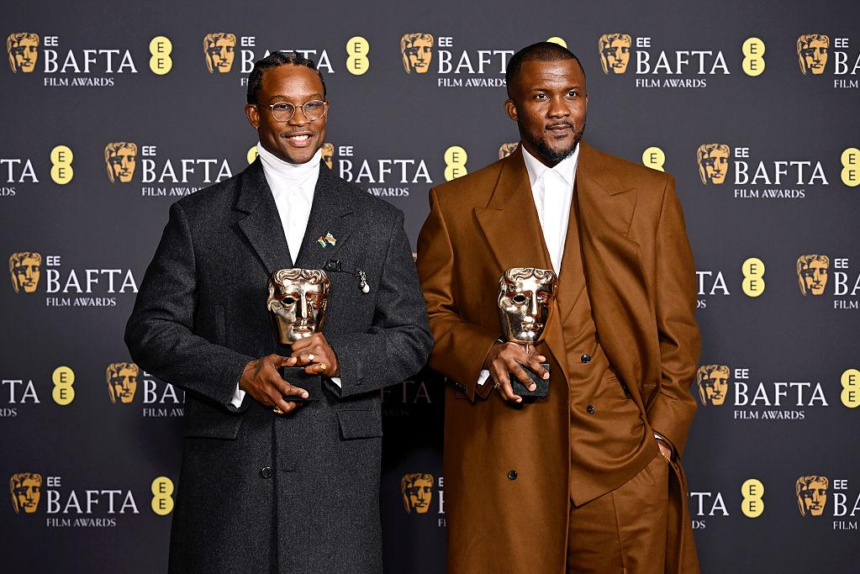
Held on 10 May 2026 at London’s Royal Festival Hall and hosted by comedian Greg Davies, the annual ceremony recognized the best of British television from the past year. While Netflix drama Adolescence dominated many of the headline conversations with four awards overall, the BBC secured the highest number of wins by any broadcaster or streaming platform, taking home 12 awards across drama, comedy, sport, factual programming, daytime television, and live events.
The achievement reinforced the BBC’s continued influence in British broadcasting at a time when global streaming giants increasingly dominate the entertainment landscape.

A Night That Showcased the BBC’s Range
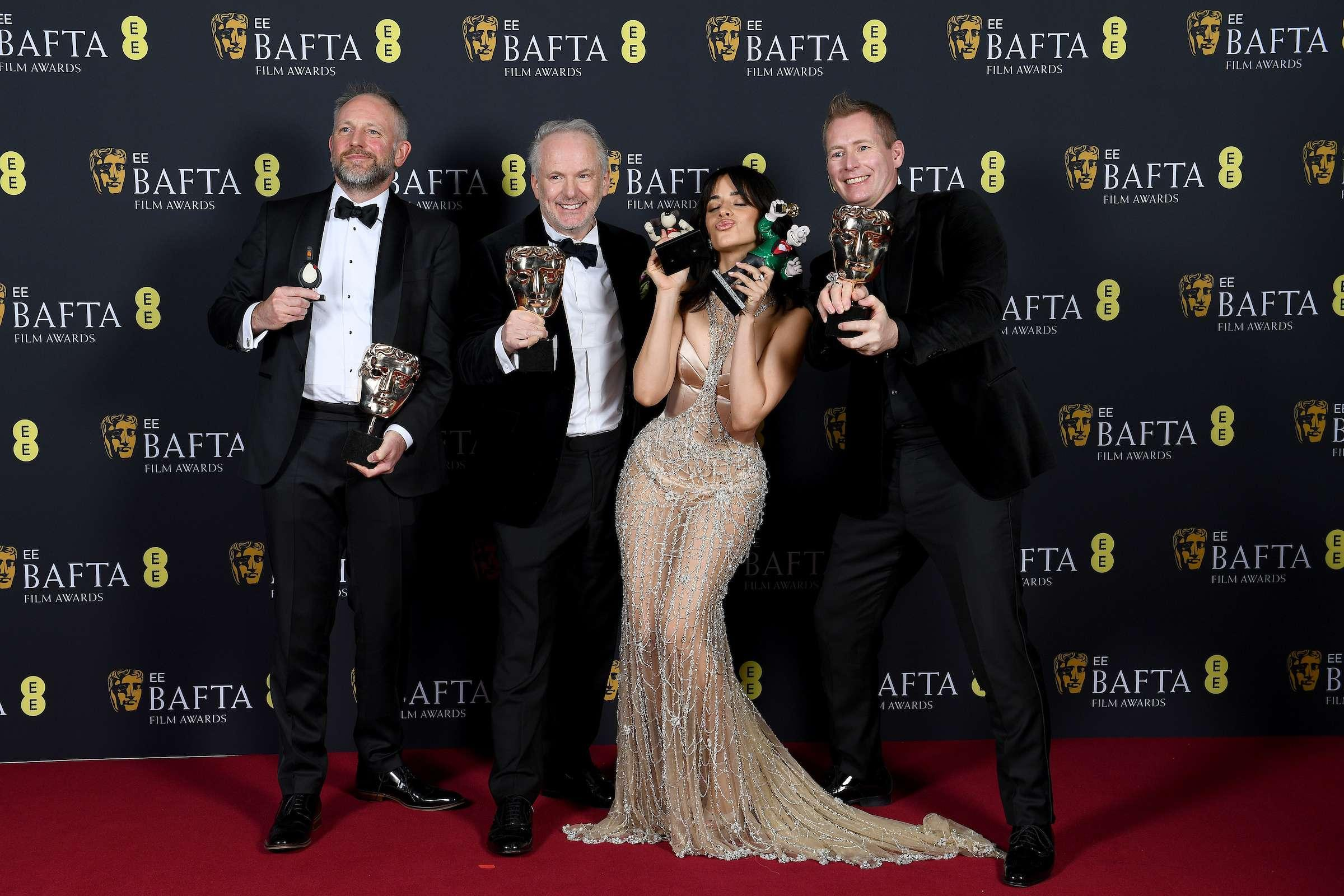
The BBC’s victories stretched across a remarkably wide range of categories, highlighting the broadcaster’s ability to produce both mainstream entertainment and serious public-interest programming.
Among the evening’s biggest successes was The Celebrity Traitors, which won both the Reality category and the public-voted Memorable Moment award. The series has become one of the BBC’s most successful entertainment formats in recent years, blending celebrity culture with suspense-driven reality television.


Comedy also proved to be a major strength for the broadcaster. Amandaland won Best Scripted Comedy, while Katherine Parkinson secured Best Female Comedy Performance for Here We Go. Steve Coogan added another major win for the BBC by taking Best Male Comedy Performance for How Are You? It’s Alan (Partridge).
The broadcaster’s drama output received equal acclaim. Narges Rashidi earned the Best Actress award for her portrayal of Nazanin Zaghari-Ratcliffe in Prisoner 951, one of the year’s most emotionally resonant television performances. During the ceremony, Rashidi dedicated her award to Zaghari-Ratcliffe and her family, adding emotional weight to the evening’s celebrations.
Other BBC winners included:
- Crongton for Children’s Scripted
- Scam Interceptors for Daytime
- EastEnders for Best Soap
- Simon Schama: The Road to Auschwitz for Specialist Factual
- UEFA Women’s Euro 2025 for Sports Coverage
- VE Day 80: A Celebration to Remember for Live Event Coverage
Together, the wins demonstrated the breadth of the BBC’s programming strategy — one that still emphasizes mass audience appeal while maintaining investment in educational and public-service content.


Kate Phillips Highlights the Importance of Shared Viewing
BBC Chief Content Officer Kate Phillips described the results as evidence of the corporation’s creative strength and commitment to audience connection.
“This year’s BAFTA winners span such a range of categories demonstrating the strength and breadth of the BBC’s content,” Phillips said.
“A big theme of the night was the value of bringing audiences together, the importance of shared viewing, and we do that by backing our outstanding creatives. They have created utterly brilliant shows and I couldn’t be more thrilled for all the winners.”
Her comments reflected a broader industry discussion surrounding the future of television viewing habits. As streaming services continue to fragment audiences into individualized viewing experiences, broadcasters like the BBC are increasingly emphasizing communal cultural moments — live sports, national events, reality competitions, and widely discussed dramas that audiences watch together in real time.
The success of programmes like The Celebrity Traitors, EastEnders, and UEFA Women’s Euro 2025 suggests that shared television experiences still hold major cultural power in Britain.
Netflix’s Adolescence Still Emerged as the Ceremony’s Biggest Single Winner
Despite the BBC’s overall dominance, Netflix drama Adolescence remained one of the ceremony’s defining success stories.
The limited series entered the awards with seven nominations and ultimately secured four wins, making it the most awarded individual programme of the night.
One of the ceremony’s most talked-about moments came when 16-year-old Owen Cooper became the youngest-ever winner of the Best Supporting Actor category for his role in the series. Stephen Graham also won Best Leading Actor for his portrayal of Cooper’s on-screen father.
The recognition for Adolescence reinforced Netflix’s continuing ability to produce prestige British drama capable of competing directly with traditional broadcasters.
Still, the BBC’s broader spread of wins across categories arguably reflected a more diversified and nationally embedded programming strategy.
BAFTA 2026 Reflected a Changing Television Industry
This year’s awards also arrived alongside notable changes in BAFTA’s voting process.
According to ceremony information released ahead of the event, BAFTA introduced updated rules for international programme voting and revised eligibility standards for craft categories involving international co-productions.
The adjustments highlight how modern British television has become increasingly globalized, with streaming platforms, international financing, and multinational productions reshaping what qualifies as “British television.”
Yet the 2026 ceremony also revealed that domestic broadcasters remain highly influential. The BBC, ITV, Channel 4, Sky, and streaming services all featured prominently among nominees and winners.
The Ceremony Was Not Without Controversy
Away from the awards themselves, the BAFTAs also became a platform for political criticism and media scrutiny.
One of the evening’s most discussed off-stage moments involved the documentary Gaza: Doctors Under Attack. Executive producer Ben De Pear criticized the BBC during an acceptance speech after the broadcaster had previously shelved the documentary, reportedly citing concerns over the “perception of partiality.”
The film was later broadcast by Channel 4 and focuses on Palestinian healthcare workers operating amid attacks on hospitals and clinics in Gaza.
The criticism sparked significant social media debate surrounding the BBC’s editorial independence and handling of politically sensitive content. Online reactions ranged from support for the broadcaster’s impartiality standards to strong accusations of bias and censorship.
The controversy illustrated the increasingly difficult position major public broadcasters face in an era where editorial decisions are immediately scrutinized across social media platforms and global political debates.
Why the 2026 BAFTAs Matter for the BBC
The BBC’s performance at the BAFTAs arrives during a crucial period for the organization.
Public broadcasters worldwide are confronting intense pressure from streaming competitors, changing audience habits, political criticism, and financial constraints. Questions about the future funding model of the BBC have become increasingly prominent in British political discussions.
Against that backdrop, winning 12 BAFTA Television Awards serves as a powerful statement about the broadcaster’s continued relevance.
The awards demonstrated that the BBC can still produce:
- Prestigious drama
- Popular entertainment formats
- Award-winning comedy
- National live event coverage
- Public-interest factual programming
- Major sports broadcasting
Few broadcasters globally maintain that level of range.
The success also highlights the BBC’s continued role as a cultural institution capable of shaping national conversation — whether through reality television, comedy, documentaries, or live public commemorations.
The Future of British Television After BAFTAs 2026
The 2026 BAFTA Television Awards revealed a British television industry balancing two powerful trends simultaneously.
On one side are international streaming services producing globally successful prestige content like Adolescence. On the other are legacy broadcasters such as the BBC that continue to dominate national cultural life through broad programming ecosystems.
Rather than one replacing the other, the ceremony suggested that British television’s future may depend on coexistence between the two models.
Streaming platforms bring scale, international audiences, and blockbuster budgets. Public broadcasters bring cultural continuity, shared national moments, and wide-ranging public service programming.
For the BBC, the BAFTAs 2026 were more than just an awards triumph. They were evidence that traditional broadcasting still holds extraordinary cultural influence in an increasingly fragmented media environment.
And for viewers, the night served as a reminder that television — whether streamed globally or broadcast nationally — remains one of Britain’s most powerful storytelling mediums.