Mark Hamill, Trump and the New Politics of Celebrity Speech
A Star Wars Icon Steps Into a Political Firestorm
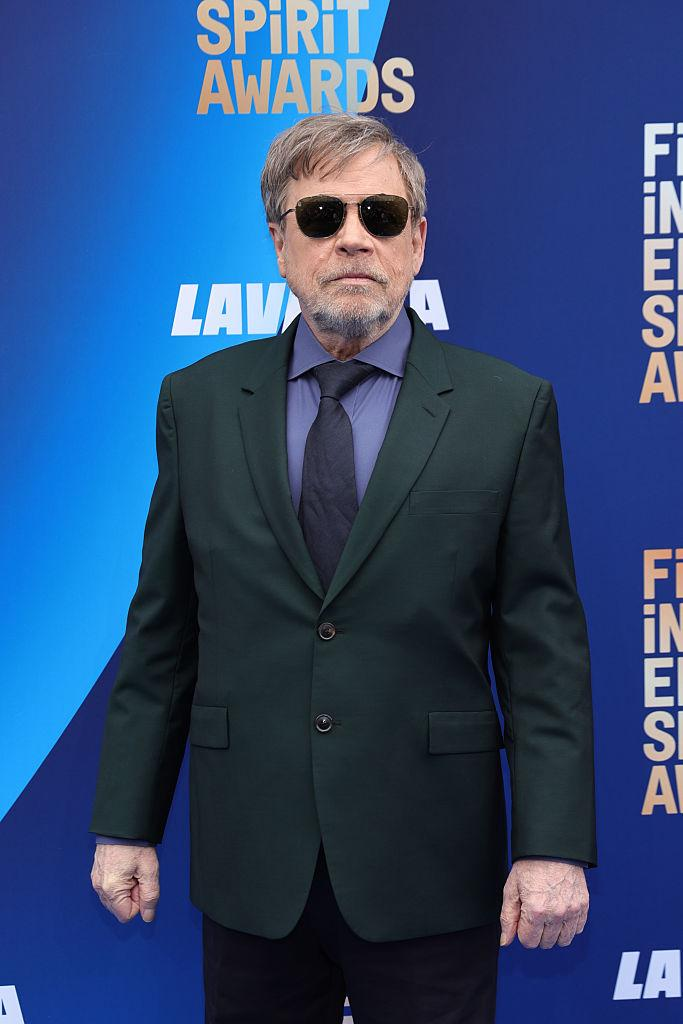
Mark Hamill has spent decades in the public imagination as Luke Skywalker, the hopeful hero at the center of the Star Wars saga. But in contemporary American politics, the actor has also become known for something very different: a sharp, persistent and often highly visible criticism of Donald Trump.
- A Star Wars Icon Steps Into a Political Firestorm
- What Hamill Posted — and Why It Sparked Backlash
- Hamill’s Clarification: “I Was Wishing Him the Opposite of Dead”
- Why the Timing Made the Controversy More Explosive
- From Luke Skywalker to Political Combatant
- The AI Factor: Political Imagery Enters a More Dangerous Era
- A Debate Over Double Standards and Political Rhetoric
- The Stakes for Celebrity Activism
- What Happens Next
- Conclusion: A Deleted Post With a Larger Message
That reputation moved back into the spotlight after Hamill shared what appeared to be an AI-generated image of President Donald Trump lying in a grave. The post, published on Bluesky, showed a headstone bearing Trump’s name and the years “1946-2024.” The image included the words “If Only,” and it quickly triggered condemnation from the White House, debate across social media and renewed scrutiny over how celebrities use political imagery in an already volatile climate.
The controversy is not only about one actor or one deleted post. It reflects a wider cultural struggle over political speech, online provocation, artificial intelligence imagery and the responsibilities of public figures whose words can move rapidly from fandom spaces into national political conflict.


What Hamill Posted — and Why It Sparked Backlash
According to the provided information, Hamill posted the image on Wednesday and paired it with a written message aimed directly at Trump.
“If Only- He should live long enough to witness his inevitable devastating loss in the midterms, be held accountable for his unprecedented corruption, impeached, convicted & humiliated for his countless crimes,” Hamill wrote. “Long enough to realize he’ll be disgraced in the history books, forevermore.”


The image, however, did not read as a conventional political critique. It depicted Trump in a grave, with a headstone carrying his name and the years “1946-2024.” That visual framing became the center of the dispute. By Thursday afternoon, the post had been removed from Hamill’s Bluesky profile.
The White House’s rapid response team condemned the post on X, writing: “This kind of rhetoric is exactly what has inspired three assassination attempts in two years against our President.” The post also called Hamill “one sick individual.”
Trump himself had not directly addressed the post, according to the information provided. But the White House’s response elevated the episode from a social media controversy into a formal political rebuke.
Hamill’s Clarification: “I Was Wishing Him the Opposite of Dead”
Hamill later sought to clarify his intent. When asked for comment, a representative pointed to Hamill’s later post, in which he wrote: “Actually, I was wishing him the opposite of dead, but apologize if you found the image inappropriate.”


He added that the “Accurate Edit for Clarity” would be if his statement read: “He should live long enough to… be held accountable for his… crimes.”
That clarification attempts to separate the written message from the image that accompanied it. Hamill’s argument, as presented in his later wording, is that he was not wishing death on Trump but instead saying Trump should live to face political defeat, legal accountability and historical disgrace.
Still, the controversy shows how visual content can overpower textual intent. In the rapid-scroll environment of social media, an image of a sitting president in a grave is likely to carry a meaning of its own, regardless of accompanying explanation. The result was a collision between Hamill’s stated intent and the public interpretation of the visual.
Why the Timing Made the Controversy More Explosive
The post came at an especially sensitive moment. The provided information states that nearly two weeks earlier, a man opened fire outside the Washington Hilton ballroom during the White House Correspondents’ Association dinner, where Trump and other White House officials had gathered with journalists for the annual event.
The suspect, Cole Tomas Allen, was charged with attempting to assassinate the president and other crimes. NBC News reported earlier that Allen, a 31-year-old teacher and engineer from California, had not entered a plea as of Monday.
That recent security incident shaped how the White House framed Hamill’s post. Rather than treating it as ordinary celebrity criticism, officials presented it as part of a broader atmosphere of dangerous political rhetoric. In that context, the controversy became less about whether Hamill opposes Trump — which is already well known — and more about what kinds of imagery are acceptable when threats against public officials are an active concern.
From Luke Skywalker to Political Combatant
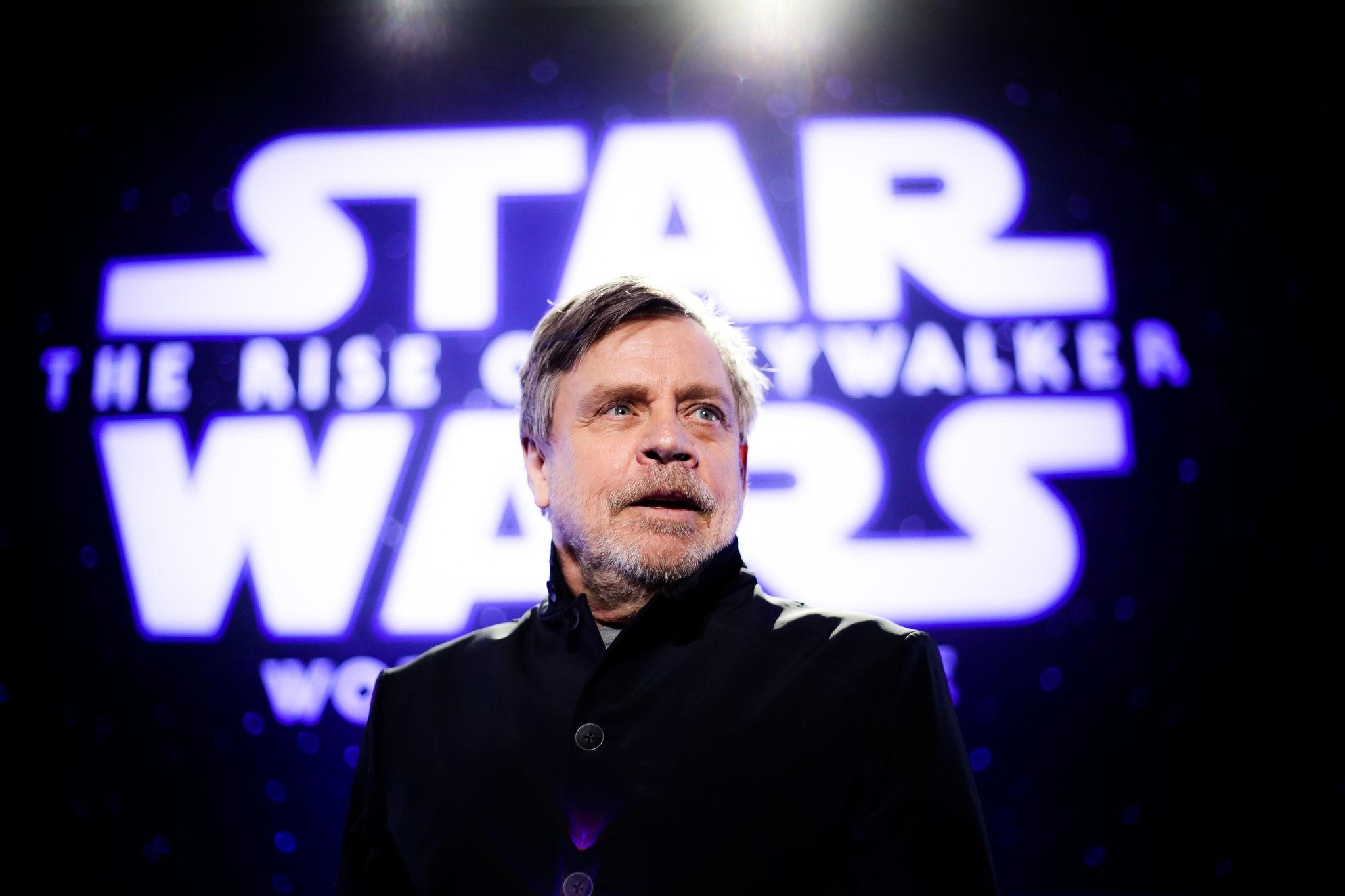
Hamill’s political identity matters because his celebrity identity remains unusually durable. As Luke Skywalker, he represents one of modern pop culture’s most recognizable symbols of resistance, hope and moral struggle. That symbolism follows him into public life, even when he is speaking not as a fictional hero but as a politically engaged citizen.
The provided information notes that Hamill has been among Trump’s most vocal critics and has often posted on social media about the president. That pattern helps explain why the post gained attention so quickly. Hamill is not a random user publishing into the void; he is a globally recognized actor with a long-standing public profile and an audience shaped by decades of film, fandom and cultural memory.
His celebrity amplifies both his criticism and the backlash against it. A post that might have remained marginal from an ordinary account becomes headline material when it comes from a figure associated with one of the most influential film franchises in history.
The AI Factor: Political Imagery Enters a More Dangerous Era
A crucial detail in the episode is that the image appeared to be AI-generated. That matters because AI tools have made it easier than ever to create provocative political visuals that look dramatic, symbolic or pseudo-realistic.
Political cartoons and manipulated images are not new. But AI-generated imagery can spread quickly, blur the line between satire and threat, and intensify emotional reactions. In this case, the image did not simply criticize Trump’s policies or leadership. It staged a visual scene of death, complete with a grave and headstone.
That is why the controversy reaches beyond Hamill. Public figures, influencers and ordinary users now operate in an environment where a single AI-generated image can become a national flashpoint. The question is no longer only what someone meant to say. It is also what their chosen image appears to show, how audiences interpret it, and whether the technology used to create it heightens the perceived threat.
A Debate Over Double Standards and Political Rhetoric
The episode also fits into a broader argument over double standards in American political communication. Supporters of the White House response may argue that depicting a president in a grave is beyond the bounds of responsible criticism, particularly after alleged assassination attempts and recent security incidents.
Critics of that response may counter that political rhetoric has grown extreme across the spectrum, and that outrage often becomes selective depending on who is speaking and who is being targeted. The supplied source information includes related discussion around other public controversies involving political jokes, violent rhetoric and AI-generated imagery. Those comparisons show how quickly public debate shifts from one offending post to a larger argument about hypocrisy, accountability and power.
Hamill’s clarification did not fully end that debate because the controversy was never just about his written words. It was about whether public figures should avoid death-related political imagery altogether, even when they claim the message is metaphorical or satirical.
The Stakes for Celebrity Activism
Celebrity political activism has become a permanent feature of digital culture. Actors, musicians, athletes and comedians no longer rely only on interviews or public appearances to express political views. They speak directly to audiences through social platforms, often in the same informal, provocative language used by ordinary users.
That directness can make political speech feel authentic. It can also make it riskier. A celebrity post can travel faster than a press release, reach more people than a campaign statement and provoke stronger emotional responses than a conventional op-ed.
For Hamill, the controversy reinforces a central tension of celebrity activism: fame gives a person a powerful megaphone, but it also raises expectations of judgment. His apology acknowledged that the image may have been inappropriate, even as he insisted his intended meaning was the opposite of wishing death.
What Happens Next
No further direct action was described in the provided information beyond the White House criticism, Hamill’s deletion of the post and his clarification. Trump had not directly addressed the image.
But the broader story is likely to continue in several ways. Political campaigns and administrations will keep monitoring celebrity commentary because celebrity posts can shape online narratives. Public figures will face more pressure to think carefully about AI-generated images before sharing them. Social media platforms may also face increasing scrutiny over how quickly inflammatory political visuals can circulate.
For Hamill, the incident may become another chapter in his long-running role as one of Trump’s most visible celebrity critics. For the public, it is another example of how political discourse has moved into a realm where entertainment, outrage, AI imagery and security concerns now overlap.
Conclusion: A Deleted Post With a Larger Message
The Mark Hamill controversy is not simply about a deleted Bluesky post. It is about the changing rules of political expression in a digital culture where images can outpace explanations, where AI can intensify provocation, and where celebrity voices carry political weight far beyond their original industries.
Hamill said he was “wishing him the opposite of dead” and apologized to those who found the image inappropriate. The White House, meanwhile, framed the post as dangerous rhetoric at a time of real threats against the president. Between those two positions lies the central issue: in an era of heightened political tension, public figures are judged not only by what they intend to say, but by what millions of people see, share and believe they meant.