

Mark Hamill Post Controversy: How a Deleted Trump Grave Image Sparked a White House Backlash
A social media post turns into a national political flashpoint
Mark Hamill, the actor globally known for playing Luke Skywalker in the Star Wars franchise, has found himself at the center of a heated political controversy after sharing a social media post depicting President Donald Trump lying in a grave.
The post, shared on Bluesky on Wednesday, featured what appeared to be an AI-generated image of Trump in a grave, with a headstone bearing his name and the years “1946-2024.” It was accompanied by language that Hamill later said was intended to call for political and legal accountability, not death. Still, the imagery drew immediate condemnation from the White House and intensified an already volatile debate about celebrity speech, political rhetoric and the boundaries of online satire.
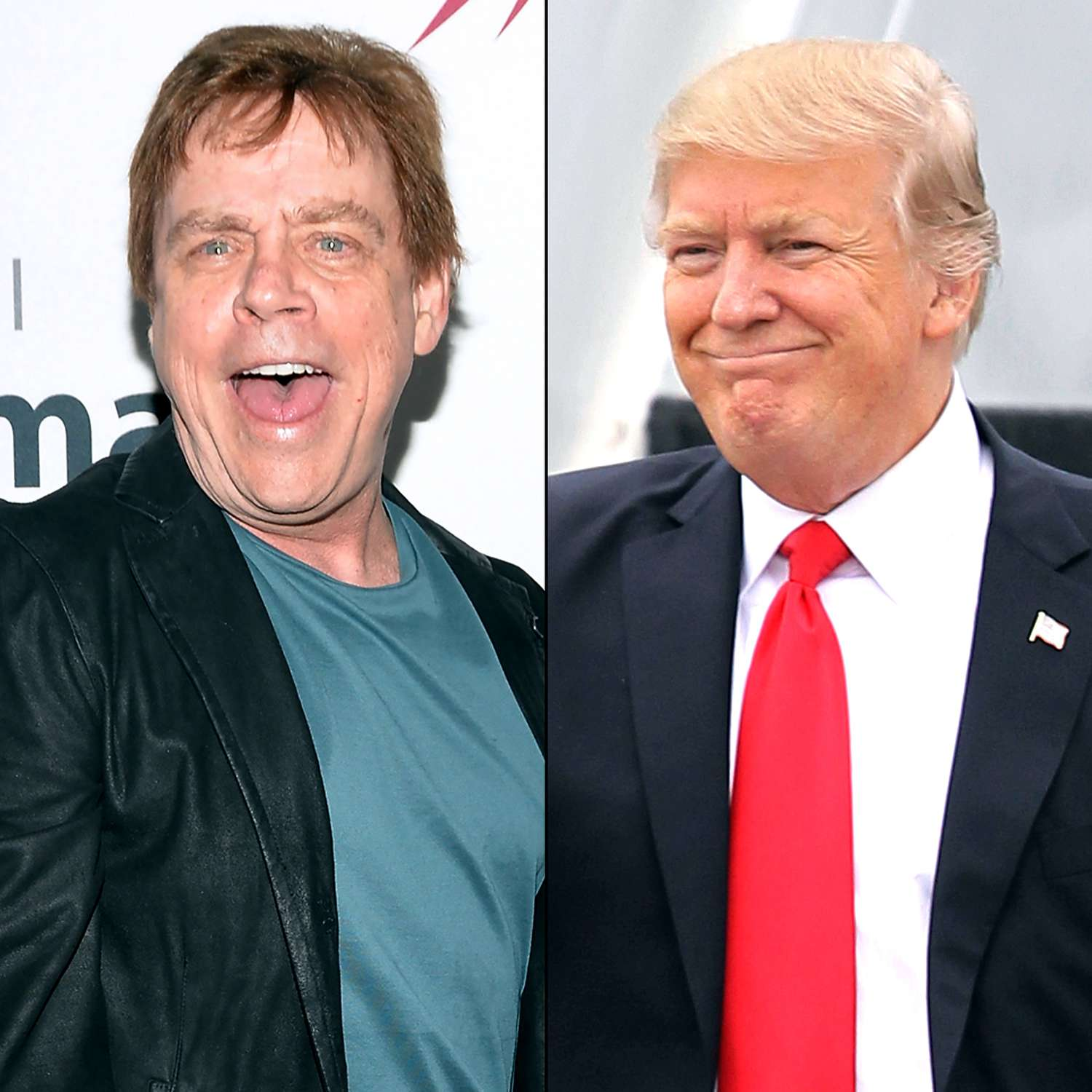
What Mark Hamill posted
Hamill’s original post began with the phrase “If Only,” a wording that quickly became the focus of criticism because of the accompanying grave image.
He wrote:
“If Only- He should live long enough to witness his inevitable devastating loss in the midterms, be held accountable for his unprecedented corruption, impeached, convicted & humiliated for his countless crimes.”
Hamill continued:
“Long enough to realize he’ll be disgraced in the history books, forevermore.”
The post was widely interpreted by critics as inappropriate because it paired a grave image with political condemnation of a sitting president. The image reportedly showed daisies growing around Trump and a gravestone marked with Trump’s name and the years “1946-2024.”
By Thursday afternoon, Hamill had deleted the original post from his Bluesky profile.
Hamill’s clarification and apology
After backlash mounted, Hamill issued what he described as an “Accurate Edit for Clarity.” His revised wording was:
“He should live long enough to… be held accountable for his… crimes.”
He added:
“Actually, I was wishing him the opposite of dead, but apologize if you found the image inappropriate.”
That clarification became central to the public debate. Supporters argued that Hamill’s actual written statement called for Trump to remain alive long enough to face defeat, accountability and historical judgment. Critics argued that the image itself overwhelmed that explanation and made the post irresponsible, especially given the recent security context surrounding Trump.
The White House response
The White House reacted sharply. Its Rapid Response account on X called Hamill “one sick individual” and framed the post as part of a broader pattern of dangerous political rhetoric.
The post read:
“This kind of rhetoric is exactly what has inspired three assassination attempts in two years against our President.”
White House spokesman Davis Ingle also issued a pointed statement, saying:
“Barack Hussein Obama just appeared in a video with this deranged lunatic three days ago. Now this same person is calling for President Trump to die. Why won’t Obama and Democrats condemn this disgusting call to violence?”
The reference to Obama stemmed from Hamill’s recent appearance with the former president in a Star Wars Day-related video connected to the Obama Presidential Center.
Why the timing made the backlash more intense
The controversy did not unfold in isolation. Hamill’s post came shortly after an alleged attempted attack connected to the White House Correspondents’ Association dinner at the Washington Hilton.
Cole Tomas Allen, identified in the provided reporting as a 31-year-old teacher and engineer from California, was charged with attempting to assassinate the president and other crimes. He had not entered a plea as of Monday in the reporting cited in the source material.
That timing gave the White House’s response added force. In a political climate already shaped by fears of violence, even symbolic or satirical images can quickly become part of a larger argument over whether harsh public rhetoric contributes to real-world risk.
A familiar pattern: Hamill as one of Trump’s vocal celebrity critics
Hamill has long been among Trump’s most visible celebrity critics. His political posting is not new, and his anti-Trump commentary has frequently blended pop-culture references, sarcasm and direct criticism.
The current controversy also followed other politically charged posts. On April 28, Hamill reportedly shared a seemingly AI-generated image parodying a well-known photo of Trump raising his fist after an alleged assassination attempt near Butler, Pennsylvania. That image featured Jimmy Kimmel in Trump’s position, alongside Guillermo Rodriguez, Stephen Colbert and Seth Meyers.
Hamill wrote at the time:
“He hates comedy because it speaks truth to power and a malignant narcissist can’t handle that.”
The White House, meanwhile, has also used Star Wars imagery in its own messaging. On May 4, the official White House account posted an image of Trump as the Mandalorian character Din Djarin holding Grogu, also known as Baby Yoda, with the caption:
“In a galaxy that demands strength, America stands ready. This is the way. May the 4th be with you.”
A year earlier, the White House posted an image of Trump with muscular arms holding a red lightsaber, a weapon traditionally associated with the Sith in Star Wars lore. That use of the franchise’s imagery had previously drawn criticism from Hamill and fans who saw it as politically loaded.
The cultural issue beneath the controversy
The Mark Hamill post is not only a dispute over one image. It reflects a much larger cultural conflict over how political speech functions online.
Celebrities now operate as political commentators, activists and cultural symbols. A post from a high-profile actor can travel faster than a formal campaign statement, and the line between satire, provocation and perceived incitement can collapse within minutes. Hamill’s identity as Luke Skywalker adds another layer: for many fans, he is not simply an actor but a figure associated with resistance, morality and rebellion through one of the most recognizable franchises in modern entertainment.
That symbolism can amplify both support and outrage. For Hamill’s supporters, his post fit a long-running tradition of celebrity opposition to Trump. For his critics, the grave image crossed a line by placing political hostility in the visual language of death.
The AI-image factor
The controversy also highlights the growing role of AI-generated political imagery. AI images can be produced quickly, circulated widely and interpreted in drastically different ways depending on context. In this case, the image’s apparent artificiality did not soften the backlash; instead, it made the post part of a broader debate about how synthetic media intensifies political conflict.
AI-generated political images often rely on exaggeration, symbolism and shock value. But when the subject is a sitting president and the image evokes death, the stakes become much higher. Even when a user claims satire or criticism, audiences may respond first to the visual message rather than the accompanying explanation.
What happens next?
Trump has not directly addressed Hamill’s post in the provided reporting. Hamill has deleted the original image and apologized to those who found it inappropriate, but the controversy is unlikely to disappear immediately.
The episode may continue to be used by Trump allies as evidence of hostile rhetoric from liberal celebrities and public figures. It may also prompt renewed debate among entertainment figures about how far political satire should go in an era of heightened security threats and increasingly aggressive online discourse.
For Hamill, the incident reinforces his status as one of Hollywood’s most outspoken critics of Trump — but it also shows the reputational risks of using provocative imagery in political commentary.
Conclusion: A deleted post with lasting political consequences
The Mark Hamill post controversy shows how quickly celebrity activism, AI imagery and partisan conflict can collide. Hamill said he was not wishing death on Trump and clarified that he wanted the president to live long enough to face accountability. The White House rejected that explanation, describing the post as dangerous rhetoric.
At its core, the incident is about more than a deleted Bluesky image. It is a snapshot of a political culture in which social media posts become national arguments, pop-culture icons become partisan actors and imagery can carry consequences far beyond its original intent.


