
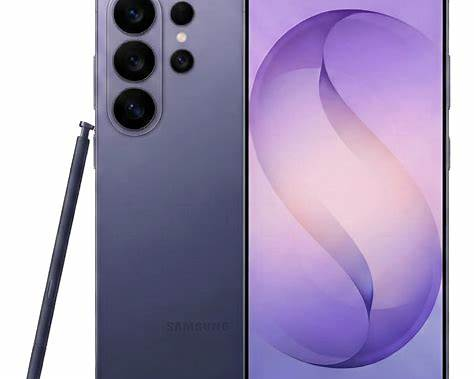
Samsung Galaxy S26 Series: A Strategic Shift in the Flagship Era
A New Phase for Samsung’s Flagship Lineup
The Samsung Galaxy S26 series—comprising the Galaxy S26, Galaxy S26+, and Galaxy S26 Ultra—arrives at a moment when the smartphone industry is undergoing a quiet but significant transformation. No longer driven solely by raw hardware upgrades, flagship devices are increasingly defined by software intelligence, pricing strategy, and real-world usability.
Samsung’s latest lineup reflects this shift. With advanced AI features, refined camera systems, and a surprising early discount strategy, the Galaxy S26 series is not just another annual upgrade—it is a calculated move to redefine value in a premium market that is becoming increasingly competitive.
A Premium Lineup Built on Evolution, Not Revolution
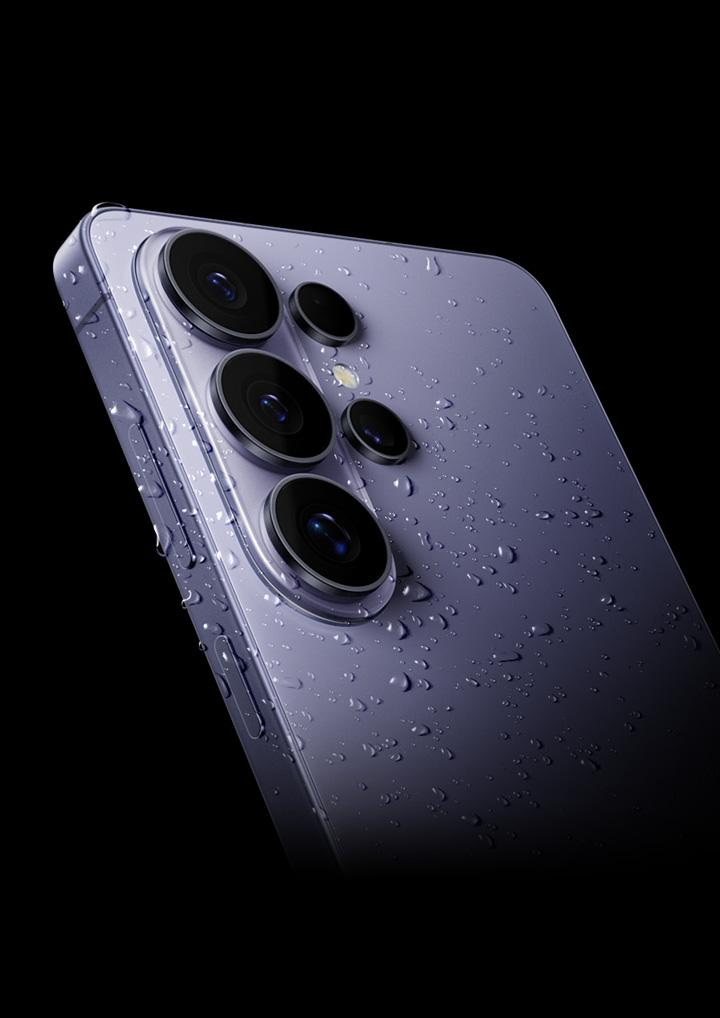
The Galaxy S26 series continues Samsung’s design language while introducing subtle refinements. The Ultra model, in particular, retains its premium identity with a glass-and-aluminum construction, rounded edges, and a slimmer profile.
At its core, the series is powered by the Snapdragon 8 Elite Gen 5 chipset (or region-specific alternatives), delivering improved CPU, GPU, and AI performance. Samsung emphasizes that the device is “engineered to unlock the full potential of Galaxy AI,” signaling a broader shift toward intelligent features rather than purely hardware-driven innovation.
The Galaxy S26 Ultra stands out with:
- A 200MP primary camera with improved aperture for better low-light performance
- A multi-lens setup including telephoto and ultra-wide sensors
- Up to 16GB RAM and 1TB storage
- A 5,000mAh battery with fast charging capabilities
- A new “Privacy Display” feature that restricts viewing angles
Meanwhile, the standard Galaxy S26 offers a more compact form factor with strong performance and extended software support, appealing to users who prioritize portability without sacrificing flagship features.
Camera Performance: Strong, But Facing New Competition
Samsung has long positioned its Ultra series as a camera powerhouse. The Galaxy S26 Ultra continues this tradition with a 200MP sensor and enhanced image processing.
However, real-world testing reveals a more nuanced picture. While the device performs well in low-light conditions and produces balanced images, it faces stiff competition from rivals. In one comparison, the camera was described as “decent but not outstanding,” with competitors delivering sharper detail and more vibrant colors in certain scenarios.
The S26 Ultra’s strength lies in consistency rather than dramatic leaps. It offers:
- Reliable low-light photography
- Balanced color reproduction
- Versatile zoom capabilities
But it may not dominate the category as decisively as previous Ultra models did.
Pricing Strategy: A Bold and Unusual Move
Perhaps the most surprising development surrounding the Galaxy S26 series is not its hardware—but its pricing strategy.
Shortly after launch, Samsung introduced significant discounts on its newest flagship devices, a move that stands out in an industry where prices are generally rising.
Key pricing highlights include:
- Galaxy S26 (12GB/256GB): Discount of Rs 8,000 → Rs 79,999
- Galaxy S26 Ultra (12GB/256GB): Discount of Rs 9,000 → Rs 1,30,999
- Higher storage variants also received similar reductions
These offers are reportedly time-limited, running until May 27, making them one of the earliest and most aggressive price cuts for a current-generation flagship.
This strategy becomes even more notable when viewed alongside Samsung’s simultaneous price increases on its budget and mid-range devices. While entry-level models have become more expensive due to component costs, flagship buyers are being incentivized with discounts—a clear shift in positioning.
Market Context: A Two-Tier Strategy Emerges
Samsung’s pricing decisions reveal a broader industry trend: the widening gap between budget and premium segments.
On one side, budget smartphones are becoming more expensive due to rising production costs. On the other, flagship devices are being strategically discounted to maintain consumer interest and competitiveness.
This dual approach serves multiple purposes:
- Encourages users to upgrade to premium devices
- Maintains visibility in a crowded flagship market
- Positions Samsung as offering value despite rising prices
In a week where competitors raised prices without offering incentives, Samsung’s move “puts it in a better light than everyone else,” particularly for buyers considering a flagship upgrade.
Software and AI: The Real Differentiator
Beyond hardware and pricing, the Galaxy S26 series signals Samsung’s growing focus on AI-driven experiences.
The devices introduce features such as:
- AI-powered photo editing using natural language prompts
- Enhanced video stabilization and night photography
- Predictive tools and intelligent system interactions
- Improved multitasking through advanced processing units
This aligns with a broader industry shift where software ecosystems and AI capabilities are becoming the primary differentiators between flagship devices.
Availability and Global Positioning
One of Samsung’s key advantages remains its global availability. Unlike some competitors that are limited to specific markets, the Galaxy S26 series is widely accessible, making it a more practical choice for international buyers.
The Ultra model, starting at around $1,299 globally, positions itself firmly in the premium segment, competing directly with top-tier devices from Apple and Google.
What It Means for Buyers
For consumers, the Galaxy S26 series presents a compelling proposition:
- Early discounts make flagship ownership more accessible
- Strong performance and AI features ensure long-term usability
- Reliable camera and software support provide everyday value
However, buyers should also consider:
- Incremental hardware upgrades compared to previous models
- Increasing competition in camera performance
- Rising prices in other segments of the smartphone market
For those “sitting on the fence about a flagship upgrade,” the current pricing window offers a rare opportunity to invest in a latest-generation device at a reduced cost.
Conclusion: A Calculated Evolution in the Flagship Market
The Samsung Galaxy S26 series represents a strategic evolution rather than a radical reinvention. By combining refined hardware, advanced AI features, and an aggressive pricing strategy, Samsung is adapting to a market where value perception matters as much as innovation.
In an era defined by rising costs and incremental upgrades, the S26 lineup stands out not because it changes everything—but because it changes just enough, while making flagship devices feel more accessible than expected.


