

Apple’s Bold Bet: Inside the Leaked Pricing Strategy for iPhone 18 Pro and Pro Max
A High-Stakes Pricing Play in a Costly Market
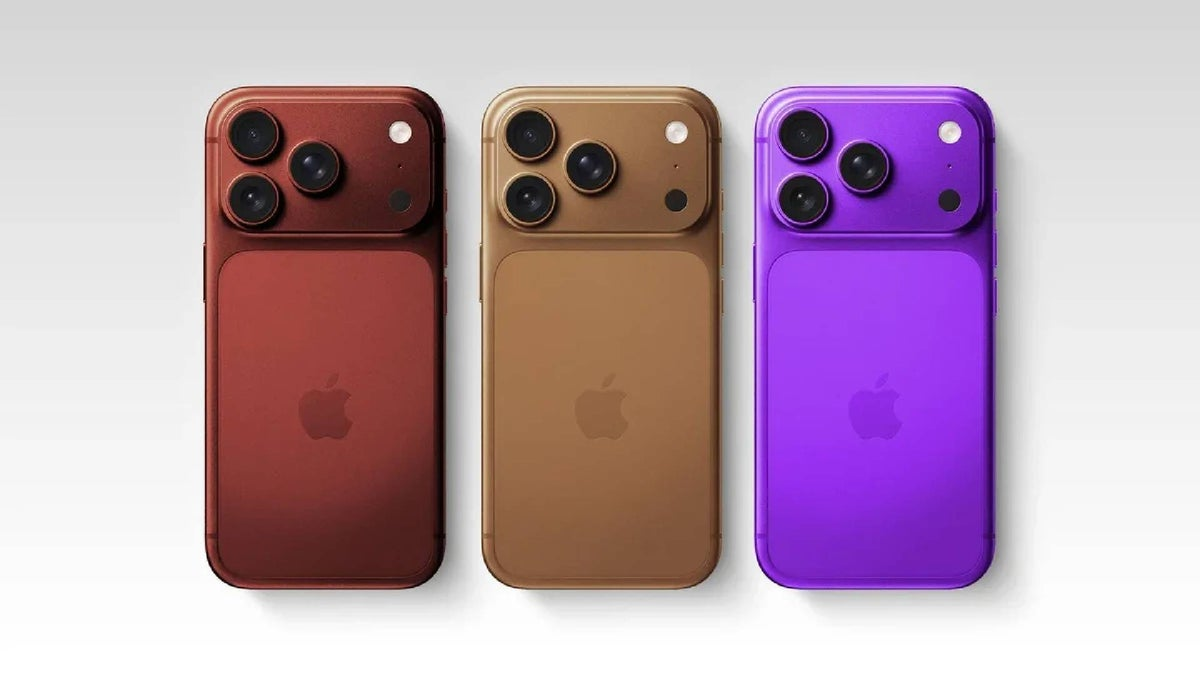
As anticipation builds ahead of Apple’s next flagship launch, leaks surrounding the iPhone 18 Pro and iPhone 18 Pro Max pricing strategy suggest the company is preparing an unusually calculated move. At a time when rising component costs are forcing many smartphone manufacturers to increase prices, Apple appears to be charting a different course—one that prioritizes market share, momentum, and long-term positioning over immediate margin expansion.
According to multiple analyst reports and industry sources, Apple is expected to adopt an “aggressive pricing strategy” for its upcoming Pro lineup. This approach may keep base prices unchanged despite mounting production costs, signaling a deliberate shift in how the company competes in the premium smartphone segment.
The Core Strategy: Stable Entry Pricing, Strategic Upselling
At the heart of Apple’s reported strategy is a simple but effective principle: keep entry-level pricing attractive while monetizing higher-end configurations.
Analysts including Jeff Pu and Ming-Chi Kuo suggest that the base models could launch at:
- $1,099 for the iPhone 18 Pro
- $1,199 for the iPhone 18 Pro Max
These figures align closely with the pricing of the previous iPhone 17 Pro series, reinforcing the idea that Apple is aiming for price stability at the entry point.
However, this does not mean prices are frozen across the board. Instead, Apple is expected to:
- Increase prices for higher storage variants
- Introduce new premium storage tiers, potentially up to 2TB on the Pro Max
This tiered pricing structure allows Apple to maintain profitability while still appealing to a broader customer base.
Why “Aggressive Pricing” Matters Now
1. Rising Component Costs Are Squeezing the Industry
The global smartphone industry is currently grappling with surging costs, particularly for memory components like DRAM and NAND flash storage. This surge has been driven in part by increased demand linked to AI technologies and broader supply constraints.
Apple itself has acknowledged that it expects “significantly higher memory costs” to impact its business.
For most manufacturers, the logical response has been to pass these costs onto consumers. Apple, however, appears to be absorbing some of this pressure—at least for its base models.
2. Leveraging Scale and Supply Chain Advantage
One key reason Apple can pursue this strategy lies in its supply chain strength. Reports indicate that Apple previously secured large quantities of memory components, placing it in a stronger position than competitors to manage cost increases.
This advantage enables Apple to maintain competitive pricing while other brands struggle to do the same.
3. Capitalizing on Record-Breaking Momentum
Apple’s decision also comes on the back of strong sales performance. The iPhone 17 lineup reportedly achieved record March quarter sales, underscoring robust demand for premium iPhones.
Maintaining similar price points could help Apple:
- Sustain this growth trajectory
- Encourage upgrades among existing users
- Attract customers from competing ecosystems
Competitive Implications: Pressure on Android Rivals
Apple’s pricing strategy is not just about internal economics—it’s also a competitive maneuver.
If the price gap between iPhones and premium Android devices narrows, as analysts suggest, Apple could:
- Gain market share in the high-end segment
- Attract users frustrated by rising Android flagship prices
- Reinforce its dominance in premium markets
Some projections even indicate that Android’s market share could decline as a result of this pricing approach.
In essence, Apple is using pricing as a strategic lever to reshape competitive dynamics.
Premium Expansion: The Role of High-End Variants
While base models remain relatively accessible, Apple is simultaneously expanding its premium offerings.
Higher Storage = Higher Margins
By increasing prices on:
- 512GB
- 1TB
- Potential 2TB variants
Apple can offset the cost of keeping entry-level pricing stable. This approach ensures that users who demand more storage—and are willing to pay for it—subsidize the broader pricing strategy.
The Foldable Factor
Adding another layer to Apple’s premium strategy is the expected debut of a foldable iPhone, potentially priced between $2,000 and $2,400.
This ultra-premium device would:
- Sit above the Pro Max in Apple’s lineup
- Target early adopters and high-spending consumers
- Serve as a new revenue stream with higher margins
Global Pricing Outlook and Launch Timeline
The iPhone 18 Pro series is widely expected to launch in September 2026, following Apple’s traditional release cycle.
In markets like India, estimated pricing suggests:
- iPhone 18 Pro: approximately Rs. 1.2 lakh to Rs. 1.5 lakh
- iPhone 18 Pro Max: approximately Rs. 1.5 lakh to Rs. 1.8 lakh
Final pricing will depend on storage configurations and regional factors.
The Bigger Picture: A Strategic Shift in Premium Smartphone Pricing
Apple’s rumored approach reflects a broader evolution in how flagship devices are priced.
Rather than applying uniform price increases, the company is:
- Segmenting value more precisely
- Using base models as entry points
- Maximizing revenue through premium upgrades
This hybrid strategy allows Apple to balance three critical priorities:
- Affordability (relative to competitors)
- Profitability (via upselling)
- Market expansion (through competitive positioning)
Conclusion: A Calculated Risk with Industry-Wide Impact
The leaked pricing strategy for the iPhone 18 Pro and Pro Max highlights Apple’s willingness to challenge conventional market responses to rising costs. By holding the line on base pricing while expanding premium tiers, the company is effectively redefining how flagship smartphones are positioned.
If successful, this approach could:
- Strengthen Apple’s grip on the premium segment
- Force competitors to rethink their pricing models
- Shift consumer expectations around flagship pricing
As the September launch approaches, the industry will be watching closely. Whether this “aggressive pricing” strategy becomes a new standard—or a risky experiment—will depend on how consumers respond when the iPhone 18 Pro series finally hits the market.


