

NYT Connections Hints May 4: A Complete Guide to Solving Puzzle #1058
A Daily Puzzle That Blends Logic and Language
The New York Times continues to expand its influence in the world of digital puzzles with Connections, a daily word game that challenges players to think beyond definitions and uncover hidden relationships. On May 4, 2026, puzzle #1058 delivers a carefully balanced mix of intuitive clues and subtle wordplay, making it both accessible and intellectually engaging.
For players seeking a strategic edge, the May 4 edition offers a compelling demonstration of how vocabulary, pattern recognition, and lateral thinking converge in a single puzzle experience.
What Is NYT Connections?
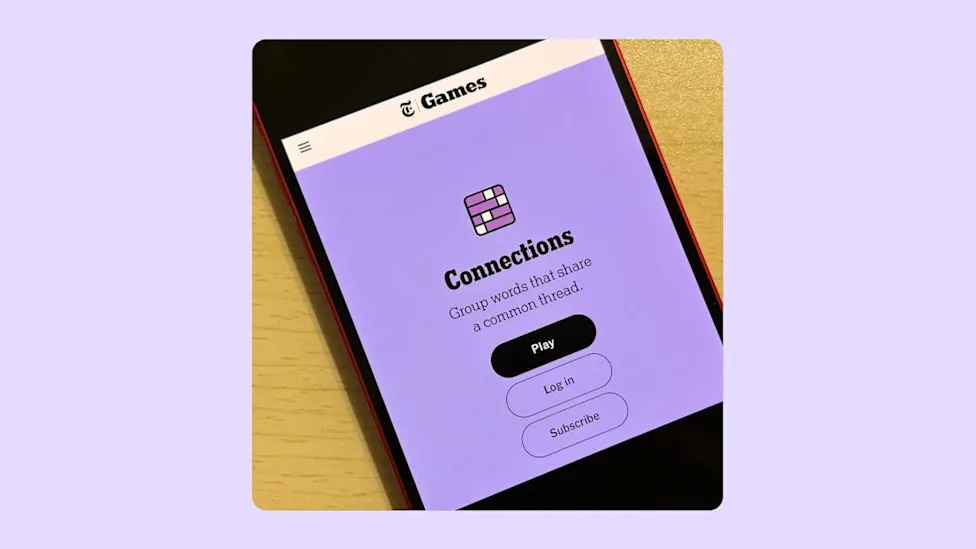
At its core, Connections is a classification puzzle. Players are presented with a 4×4 grid containing 16 words and tasked with organizing them into four groups of four, each linked by a shared theme.
The game introduces an additional layer of challenge through its color-coded difficulty system:
- Yellow – Easiest and most straightforward
- Green – Moderately challenging
- Blue – Complex and often less obvious
- Purple – Most difficult, frequently involving wordplay
Each day’s puzzle resets at midnight, reinforcing its appeal as a daily ritual among puzzle enthusiasts.
May 4 Puzzle Overview: Subtle Themes and Clever Traps
Puzzle #1058 stands out for its deceptive simplicity. At first glance, several words appear to fit into multiple categories, deliberately designed to mislead players.
For example, items like “Beanie Baby” and “Etch A Sketch” might suggest a category related to toys—but that assumption proves incorrect, illustrating the puzzle’s reliance on misdirection.
Instead, the puzzle organizes its groups around more nuanced connections:
Yellow Group – Tender-Hearted Person
- MARSHMALLOW
- SOFTIE
- SWEETHEART
- TEDDY BEAR
These are all affectionate terms used to describe someone gentle or kind-hearted.
Green Group – Pellet-Filled Things
- BEANIE BABY
- DESICCANT PACKET
- EYE PILLOW
- HACKY SACK
The unifying concept here is objects filled with small particles or pellets—an example of a tactile, physical connection rather than a purely linguistic one.
Blue Group – Things With Knobs
- CONTROL PANEL
- ETCH A SKETCH
- RADIO
- STOVE
This category focuses on functional design—items that feature knobs or dials used for control or adjustment.
Purple Group – Words Starting With Dog Breed Names
- CHOWDER
- DOODLEBUG
- LABUBU
- PITTER-PATTER
The most challenging group, this category requires recognizing hidden prefixes derived from dog breeds such as “chow,” “doodle,” “lab,” and “pitt.”
Why This Puzzle Was Tricky
The May 4 puzzle demonstrates several hallmark traits of Connections design:
1. Overlapping Associations
Many words can plausibly belong to more than one category. For instance, “Etch A Sketch” might be grouped as a toy rather than an object with knobs, leading to incorrect assumptions.
2. Mixed Concept Types
The puzzle blends:
- Descriptive language (Yellow group)
- Physical properties (Green group)
- Functional features (Blue group)
- Wordplay and hidden patterns (Purple group)
This diversity forces players to shift between different modes of thinking.
3. Strategic Misdirection
The inclusion of trendy or familiar items like “Labubu” and “Beanie Baby” encourages premature conclusions, a deliberate tactic to increase difficulty.
How to Approach a Puzzle Like This
Before diving into the groupings, it helps to understand what the solving process achieves: it reduces ambiguity by isolating reliable connections and eliminating misleading ones.
Here’s a structured approach based on the May 4 puzzle:
Start With the Obvious
Begin with the easiest category—often the Yellow group—where words share clear similarities, such as synonyms.
Eliminate and Refine
Once a group is confirmed, remove those words from consideration. This simplifies the remaining grid and reduces confusion.
Look Beyond Definitions
Not all connections are semantic. Some involve:
- Physical attributes (e.g., pellet-filled objects)
- Functional traits (e.g., knobs)
- Linguistic patterns (e.g., prefixes or wordplay)
Beware of Decoys
Words that seem to belong together may be intentionally grouped to mislead. Always verify that all four words fit the same theme.
Use Feedback Strategically
The game allows limited mistakes, so use each incorrect guess as data to refine your approach.
The Broader Appeal of NYT Connections
The growing popularity of Connections reflects a broader trend in digital gaming: short, daily challenges that combine entertainment with cognitive engagement.
Unlike traditional crossword puzzles, Connections emphasizes:
- Pattern recognition
- Flexible thinking
- Rapid problem-solving
It also complements other New York Times offerings such as:
- Wordle – word guessing
- Spelling Bee – vocabulary expansion
- Mini Crossword – quick logic puzzles
Together, these games form a diversified ecosystem of daily brain exercises.
Final Thoughts: A Puzzle That Rewards Insight
The NYT Connections puzzle for May 4, 2026, exemplifies the game’s unique appeal—simple in structure but layered in complexity. By combining straightforward categories with intricate wordplay, it challenges players to think holistically rather than linearly.
For both new players and seasoned “connectors,” puzzle #1058 serves as a reminder: success depends not just on vocabulary, but on the ability to recognize patterns, question assumptions, and adapt strategies in real time.


