

Power Cuts Explained: Why Electricity Supply Is Disrupted and Who Is Affected
Understanding the Anatomy of a Blackout
Electricity is often taken for granted—until it disappears. Across many countries, sudden power cuts can disrupt daily life, halt businesses, and strain public services. But behind every blackout lies a complex chain of technical systems, infrastructure, and human coordination. When one critical component fails, the ripple effects can be nationwide.
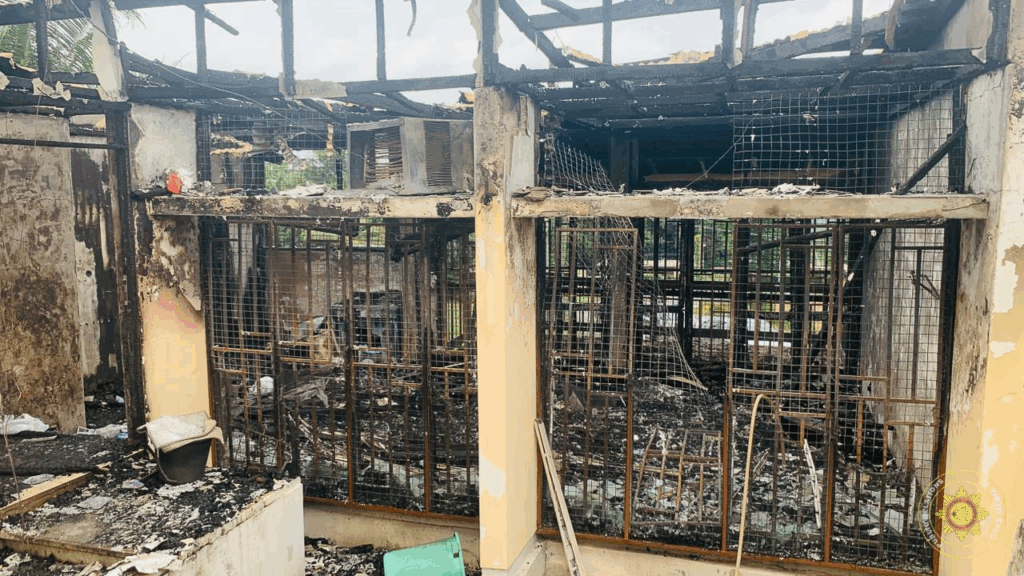
A recent incident at the Akosombo Substation provides a clear case study of how and why electricity supply disruptions occur—and who ultimately bears the consequences.
The Trigger: When Infrastructure Fails
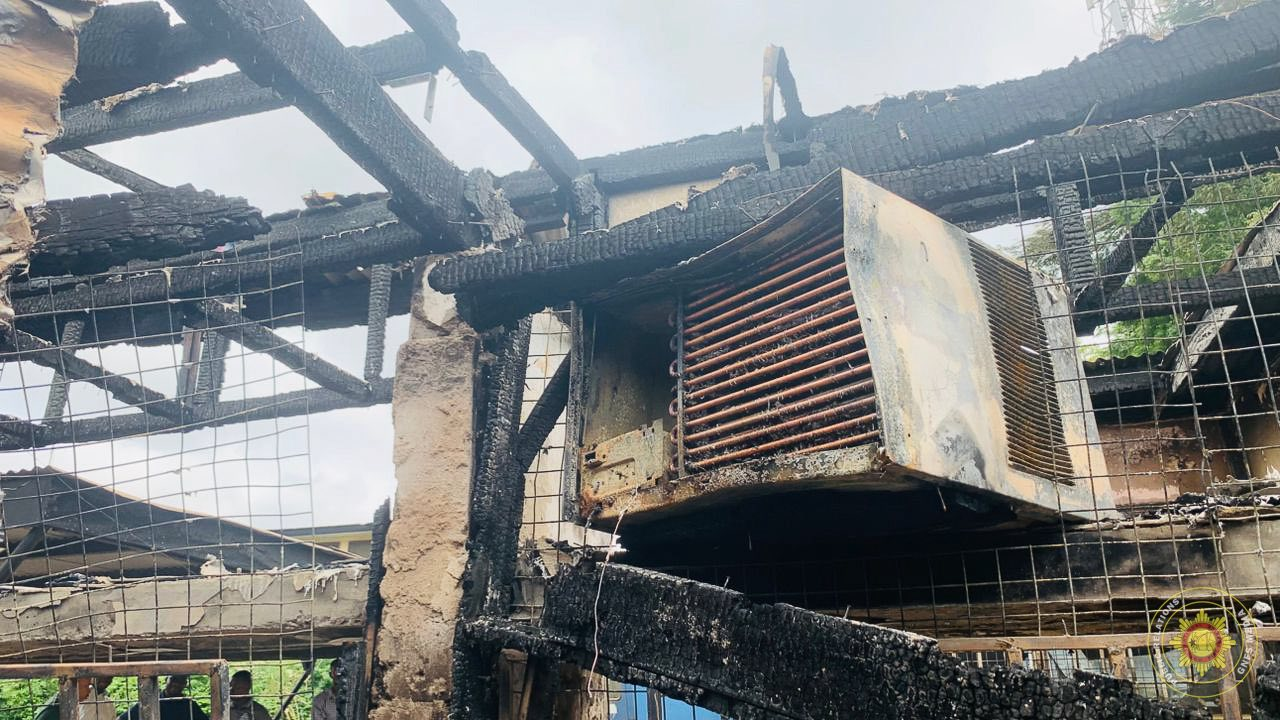
At the heart of the recent power disruptions was a fire outbreak at the Akosombo Substation—one of the most critical nodes in the electricity transmission network. According to the Minister for Energy and Green Transition, Dr. John Abdulai Jinapor, the fire caused severe damage to the control room responsible for power evacuation.
“The fire incident severely damaged the control room responsible for power evacuation,” the minister stated.
This single failure had a cascading effect. Over 1,000 megawatts of electricity—already generated—could not be transmitted into the national grid. In energy systems, this is known as “stranded power,” where electricity exists but cannot reach consumers due to transmission constraints.
The result: widespread outages across multiple regions.
How Power Systems Work—and Why They Break
To understand the disruption, it helps to break down the electricity supply chain into three key stages:
1. Generation
Electricity is produced at power plants—hydropower stations like Akosombo, or thermal plants using gas.
2. Transmission
High-voltage lines carry electricity across long distances to substations.
3. Distribution
Electricity is stepped down and delivered to homes, businesses, and institutions.
The Akosombo incident occurred at the transmission stage, which acts as the bridge between generation and consumption. When this link is broken, even fully operational power plants cannot deliver electricity.
Why the Impact Was So Severe
Several factors amplified the scale of the disruption:
A Critical Control Point Was Hit
The damaged control room was responsible for coordinating power evacuation. Without it, operators lost the ability to manage electricity flow efficiently.
Large Volume of Power Was Affected
More than 1,000 megawatts—enough to power millions of homes—was stranded.
Grid Strain Increased
With a major supply channel disrupted, the remaining network had to compensate, placing additional stress on already stretched infrastructure.
Limited Predictability
Unlike scheduled maintenance outages, this was an emergency event. As the minister explained:
“This is not like the regular load shedding, where you can predict outages over a period.”
This unpredictability made it difficult to issue fixed schedules, forcing authorities to release short-term updates instead.
Who Is Affected by Power Cuts?
Power outages are rarely isolated—they ripple across entire societies.
Households
Families face immediate disruptions: no lighting, refrigeration failures, and interrupted communication. The inconvenience quickly turns into discomfort, especially during prolonged outages.
Businesses
From small shops to large factories, power cuts translate into financial losses. Equipment downtime, spoiled inventory, and halted production can cost millions.
Critical Services
Hospitals, water systems, and transport networks rely heavily on electricity. In some cases, outages can trigger secondary crises, such as water shortages.
The Broader Economy
Electricity is the backbone of productivity. A deficit—like the 700-megawatt shortfall previously faced in the sector—can slow economic growth and undermine investor confidence.
The Human Response: Acknowledgment and Action
In the aftermath of the disruption, government officials moved quickly to address both the technical and human dimensions of the crisis.
Dr. Jinapor publicly acknowledged the hardship caused:
“I deeply empathise with you, and I share your frustration and discomfort in this trying moment.”
At the same time, engineers were deployed immediately, working under what the minister described as “very extreme and difficult” conditions to restore supply.
Authorities also emphasized transparency:
“We will not shirk responsibility. We will not deceive you. We will not live in denial—when we face challenges, we will tell Ghanaians.”
Why Power Cuts Are Sometimes Unavoidable
While power outages often spark public frustration, experts note that such disruptions are not unique to any one country.
As the Energy Minister pointed out, even advanced economies experience system failures. The critical factors are:
- Speed of response
- Coordination among agencies
- Transparency with the public
Infrastructure systems are inherently complex. Fires, equipment failures, aging transformers, or sudden demand spikes can all trigger outages.
The Structural Challenges Behind the Crisis
Beyond the immediate incident, deeper issues continue to affect electricity reliability:
Aging Infrastructure
Old and overloaded transformers contribute to low voltage and intermittent outages.
Growing Demand
Urban expansion and industrial growth increase pressure on existing systems.
Maintenance Gaps
Delayed upgrades or insufficient investment can leave networks vulnerable.
To address these, authorities have launched initiatives such as a nationwide transformer upgrade programme, with over 2,500 units expected to be installed in 2026.
The Road to Recovery
Efforts to restore power are already underway. Engineers have begun bringing generating units back online, with at least one unit restored and another synchronised.
A technical committee has also been established to investigate the root cause of the fire and prevent future occurrences.
Officials remain optimistic that supply will stabilise once damaged infrastructure is repaired and system balance is restored.
Conclusion: A Fragile but Essential System
Power cuts are not just technical failures—they are societal disruptions. The Akosombo substation incident illustrates how a single point of failure can cascade into nationwide consequences.
From households to industries, the impact is immediate and far-reaching. Yet it also highlights the importance of resilient infrastructure, rapid response systems, and transparent governance.
As electricity demand continues to grow, the challenge is not just restoring power—but building a system robust enough to withstand the next shock.


