


Two Oceans Marathon Bib Swapping Scandal: How a Results Shake-Up Unfolded
A race defined by excellence—briefly disrupted by controversy
The 2026 edition of the Two Oceans Marathon, one of South Africa’s most prestigious road running events, has been overshadowed by a controversy that has raised serious questions about race integrity, athlete fairness, and event management.
What should have been a celebration of elite performance in the half marathon instead turned into a post-race correction process after two male runners were found to have competed using race numbers registered to female entrants. Their participation initially placed them within the Women’s Top 10, triggering a temporary but significant distortion of official results before organisers intervened.
The incident has since evolved into a broader discussion about compliance, enforcement, and the risks associated with so-called “bib swapping” in competitive road racing.
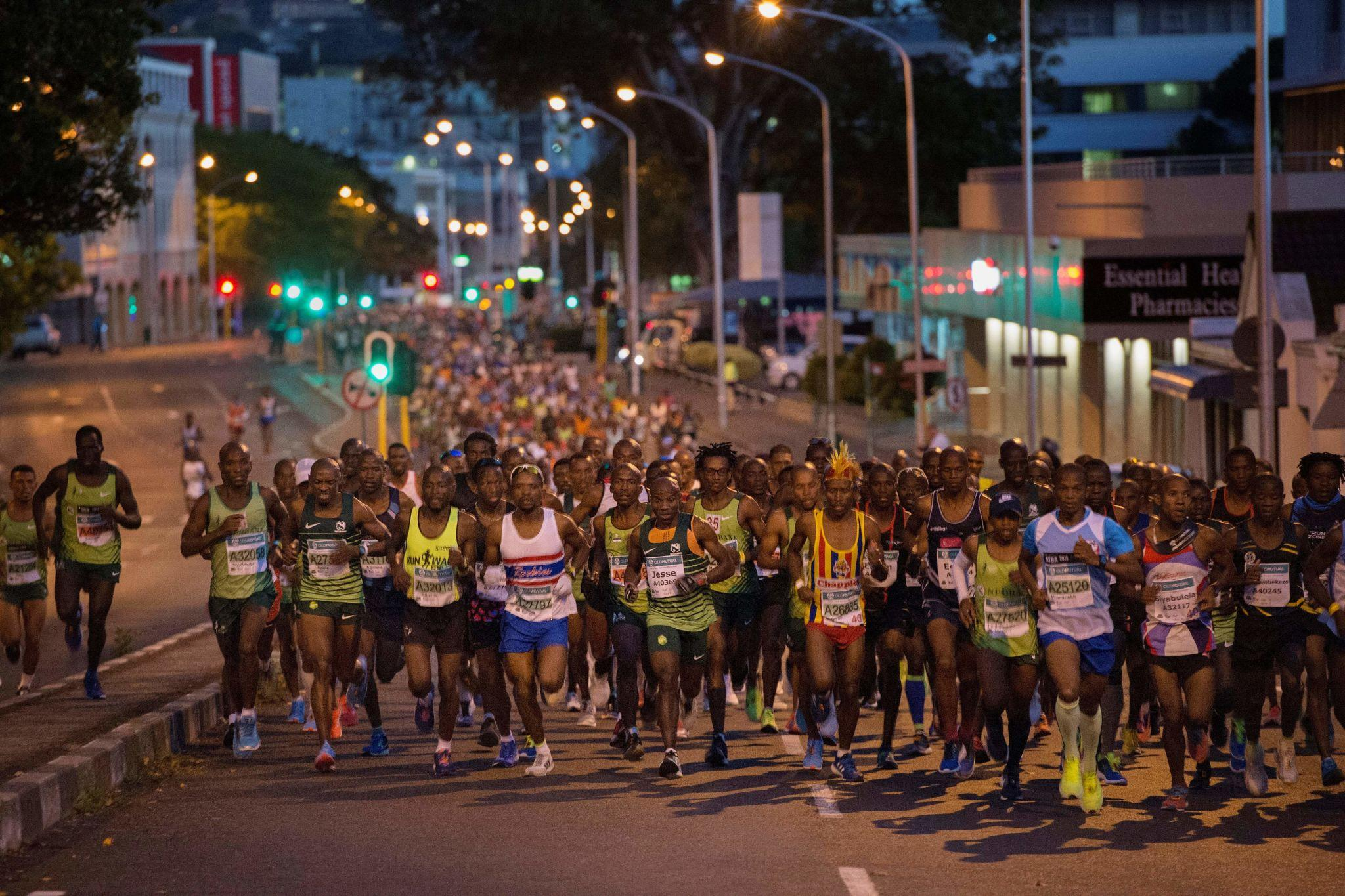
The moment the results changed
For many runners, race day culminates in a single defining moment—the finish line. For South African athlete Karin-Mari Dötze, that moment was both triumphant and fleeting.
After completing the race, she believed she had secured a Top 10 finish, a milestone she had worked toward alongside her coach. The confirmation came not only from the race announcer but also from the immediate reaction of supporters.
“When I finished I heard the commentator saying I am Top 10… My phone was going crazy. It felt so unreal but real at the same time. I was so happy and grateful.”
However, within approximately 30 minutes, the situation shifted dramatically.
“I asked a friend to refresh the results… and that’s when the whole dream turned into a nightmare showing I am suddenly 12th.”
The temporary misclassification was caused by the inclusion of the two male runners in the women’s category standings. Although the results were later corrected following their disqualification, the emotional impact on affected athletes remained significant.
What exactly happened?
The controversy centers on a clear violation of race regulations: unauthorized use of race numbers.
Investigations revealed that:
- One male runner competed using an entry belonging to a participant who had no intention of running
- Another used the race number of a female entrant who had withdrawn due to injury
- Both runners finished within the Women’s Top 10 before the irregularity was identified
In a separate account, one runner was recorded under the name “Larissa Parekh,” finishing seventh, while another used the number assigned to “Tegan Garvey.”
The issue was initially flagged through independent analysis and later confirmed through further checks, including social media verification and race result reviews.
Why bib swapping is strictly prohibited
While some participants may view bib swapping as a minor shortcut, race officials and sports experts are unequivocal: it is a serious breach with wide-ranging consequences.
1. Competitive integrity
Road races—especially high-profile ones like the Two Oceans Marathon—depend on accurate results. Rankings determine recognition, prizes, and qualification for other events.
As one official described it, the violation was:
“a straightforward violation of well-publicised rules”
The presence of ineligible runners in the Top 10 directly altered the outcome of the women’s race.
2. Safety and medical risk
Each race bib is linked to critical participant data, including:
- Medical history
- Emergency contacts
- Insurance details
Incorrect information can delay or compromise medical intervention in emergencies. As noted by a sports science researcher:
“Bib swapping may seem harmless, but the risks are significant… In an emergency, incorrect medical and next-of-kin information can have serious consequences.”
3. Qualification and records
Performance times from major races are often used to qualify for other competitions. Incorrect results can distort rankings, affect entry eligibility, and undermine long-term athlete tracking systems.
How the system works—and where it broke down
The Two Oceans Marathon operates under a structured entry system designed to manage high demand:
- Participation is allocated through a ballot system
- Each entry is tied to verified personal and medical information
- Official substitution windows allow controlled transfers
However, once race numbers are issued, enforcement becomes significantly more challenging. Monitoring whether the registered individual is the actual runner requires additional verification measures that are not always fully implemented on race day.
This gap between policy and enforcement allowed the violation to occur despite clearly defined rules.
Consequences for those involved
The two runners have been disqualified, and a formal disciplinary process is underway.
Potential penalties include:
- Suspension or bans from the event (reportedly up to two years)
- Further sanctions depending on the outcome of investigations
- Reputational damage within the running community
Importantly, individuals who facilitated the misuse of race numbers may also face consequences, reflecting the shared responsibility embedded in race regulations.
Wider implications for road running
Although this incident occurred within a single event, its implications extend across the sport.
Increased scrutiny on race management
Organisers may now consider:
- Identity verification at bib collection and checkpoints
- Enhanced digital tracking systems
- Visual identifiers or biometric checks
Greater awareness among participants
The case reinforces that compliance is not optional. Even seemingly minor rule breaches can produce significant downstream effects.
Impact on athlete trust
For competitive runners, fairness is fundamental. Incidents like this risk eroding confidence in race results and governance unless addressed decisively.
A corrected result, but an altered experience
While the official standings have now been restored to reflect legitimate performances, the situation highlights a critical distinction between results and experience.
For athletes like Karin-Mari Dötze, the recognition associated with a Top 10 finish is not limited to a final ranking—it is tied to the moment itself: crossing the line, hearing the announcement, and standing among peers.
That moment, once disrupted, cannot be fully recreated.
Conclusion: A turning point for race integrity
The Two Oceans Marathon bib swapping scandal has underscored a fundamental reality in competitive sport: systems are only as strong as their enforcement and participant compliance.
The disqualification of the two runners has corrected the record, but the incident has exposed vulnerabilities that organisers are now under pressure to address.
Going forward, the emphasis is likely to shift toward stricter controls, enhanced verification, and renewed education around race rules. For a globally respected event, maintaining credibility will depend on how effectively these lessons are translated into action.


