

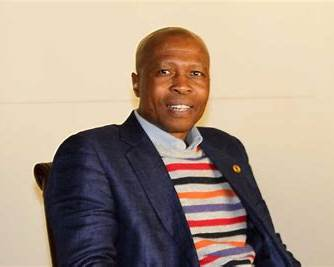
Bheki Shongwe and Kaizer Chiefs: Why the New GCEO Appointment Matters for Amakhosi’s Next Chapter
Kaizer Chiefs have made a significant leadership move by confirming Bheki Shongwe as the club’s new Group Chief Executive Officer, effective May 2026. The appointment places a familiar figure at the centre of the club’s administrative structure at a time when Amakhosi are looking to build on a resurgent season and position themselves for a stronger title challenge.
Shongwe is not arriving as an outsider. He has served as a non-executive director on the club’s Board of Directors and previously held the role of Managing Director between 2009 and 2012. That institutional memory appears to be central to the club’s decision, with Kaizer Chiefs emphasizing his deep understanding of the organization and its operations.
A Strategic Appointment at a Defining Moment
The confirmation of Shongwe’s appointment is more than a routine executive change. It comes during a period in which Kaizer Chiefs are seeking stability, sharper internal coordination, and renewed competitiveness.
According to the club’s statement, Shongwe has been tasked with assisting Chairman Dr Kaizer Motaung with the overall running of the organization. His role will include overseeing the day-to-day operations of the club, reporting directly to the Chairman and the Board, and working closely with department heads.
“In his new role, Mr Shongwe will oversee the day-to-day running of the Club, reporting directly to the Chairman and the Board, while working closely with the heads of departments,” the club confirmed.
That line is important because it signals a clearer operational chain of command. For a club of Chiefs’ size and profile, leadership structure is not merely administrative; it affects football planning, commercial strategy, communication, recruitment alignment, and the broader culture around performance.
Why Bheki Shongwe Fits the Kaizer Chiefs Profile
Kaizer Chiefs’ reasoning for the appointment rests heavily on familiarity and continuity. Shongwe already understands the internal culture of Amakhosi, and that background was cited as a primary reason for his selection.
“His extensive knowledge of the organisation and its operations makes him well-suited to lead us into the future.”
That statement captures the logic behind the move. Chiefs are not only hiring a business executive; they are elevating someone who has already operated inside the club’s ecosystem. In football administration, that can matter. Clubs with large fan bases, historic identities, and internal traditions often need leaders who can balance modernization with institutional respect.
Shongwe’s previous spell as Managing Director from 2009 to 2012 gives him a direct historical connection to the club’s executive operations. His recent role as a non-executive director also means he has remained close to the decision-making environment while continuing to manage his own businesses.
What the GCEO Role Means at Naturena
The title Group Chief Executive Officer suggests a broad leadership mandate. Based on the club’s statement, Shongwe’s responsibilities will focus on the club’s daily operations and coordination across departments.
That means his influence could be felt in areas such as internal governance, strategic planning, commercial direction, administrative efficiency, and the way football and business functions communicate with one another.
For supporters, the most visible measure of success will likely remain results on the pitch. But executive appointments often shape the conditions that make sporting success possible. A well-run club can create a stronger platform for coaches, players, technical staff, sponsors, and supporters.
The hierarchy is intended to streamline decision-making as Kaizer Chiefs look to mount a serious title challenge next season. That makes Shongwe’s appointment a statement of intent: Chiefs want a more coordinated organization behind the football project.
A Club Trying to Convert Momentum Into Silverware
The timing of the appointment is notable. Chiefs are seeking to capitalize on what has been described as a resurgent season. The club’s leadership appears to recognize that positive momentum needs structure if it is to become sustained success.
Kaizer Chiefs are one of South Africa’s most followed football institutions. Expectations around the club are always intense, and any signs of progress immediately raise questions about whether Amakhosi can return to the summit of domestic football.
In that context, appointing a GCEO is not just about filling an office. It is about creating executive capacity around Dr Kaizer Motaung and the Board at a time when the club wants to move with more purpose.
The Motaung-Shongwe Working Relationship
One of the most important aspects of the announcement is that Shongwe will work closely with Chairman Dr Kaizer Motaung. Chiefs’ identity has long been tied to Motaung’s leadership and the broader culture he built around the club.
By placing Shongwe in a role that reports directly to the Chairman and the Board, the club appears to be reinforcing continuity while adding executive support. The arrangement gives Shongwe operational responsibility without separating him from the strategic leadership of the club’s founder and senior governance structure.
That balance may be crucial. Chiefs need the benefits of modern executive management, but they also need to preserve the values and identity that have made the club a major force in South African football.
Why Supporters Will Watch This Move Closely
For Amakhosi fans, executive appointments matter because they are connected to long-term ambition. Supporters want evidence that the club is not only reacting to results but building a sustainable path toward competitiveness.
Shongwe’s appointment will therefore be judged on more than his title. Fans will watch for signs of faster decision-making, stronger recruitment alignment, clearer communication, and a football structure capable of supporting a genuine title push.
The club’s own statement frames his leadership as future-focused. That creates expectation. If Chiefs want to “lead us into the future,” as the statement says, the GCEO role must become a practical engine for progress rather than a symbolic appointment.
The Bigger Picture for Kaizer Chiefs
The appointment of Bheki Shongwe reflects a broader reality in modern football: elite clubs cannot rely on tradition alone. Heritage, fan loyalty, and brand power remain vital, but they must be matched by strong management, commercial intelligence, sporting strategy, and operational discipline.
Chiefs’ decision suggests they want to tighten the connection between boardroom planning and day-to-day execution. With Shongwe now positioned between the Chairman, the Board, and departmental leadership, the club is attempting to create a more integrated management model.
That could prove especially important as the club prepares for the next season. A serious title challenge requires more than talent on the pitch. It requires planning, consistency, accountability, and clear leadership.
Conclusion: A Familiar Face With a Future-Focused Mandate
Bheki Shongwe’s appointment as Kaizer Chiefs’ new Group Chief Executive Officer is a major administrative development for one of South African football’s biggest clubs. His previous experience as Managing Director, his role on the Board, and his knowledge of the organization make him a familiar and trusted figure within the Amakhosi structure.
The significance of the move lies in what it represents: a push for sharper governance, streamlined decision-making, and stronger operational leadership as Chiefs look toward a more competitive future.
For Kaizer Chiefs, the next challenge is turning this leadership change into measurable progress. For Shongwe, the mandate is clear: help guide the club’s day-to-day operations, support Dr Kaizer Motaung and the Board, and contribute to a structure capable of restoring Amakhosi’s status as a serious force on and off the field.


