


Star Wars in 2026: How a Galaxy Far, Far Away Became a Global Phenomenon Beyond the Screen
A Cultural Force That Never Slows Down
Few franchises in entertainment history have achieved the enduring cultural dominance of Star Wars. Decades after its debut, the saga continues to evolve—not only through films and television, but through merchandise, fan traditions, and immersive experiences that blur the line between fiction and reality.
In 2026, that influence is on full display. From blockbuster streaming releases to global retail events and theme park takeovers, Star Wars has transformed into a multi-layered ecosystem—one where storytelling, commerce, and fan engagement operate in tandem.
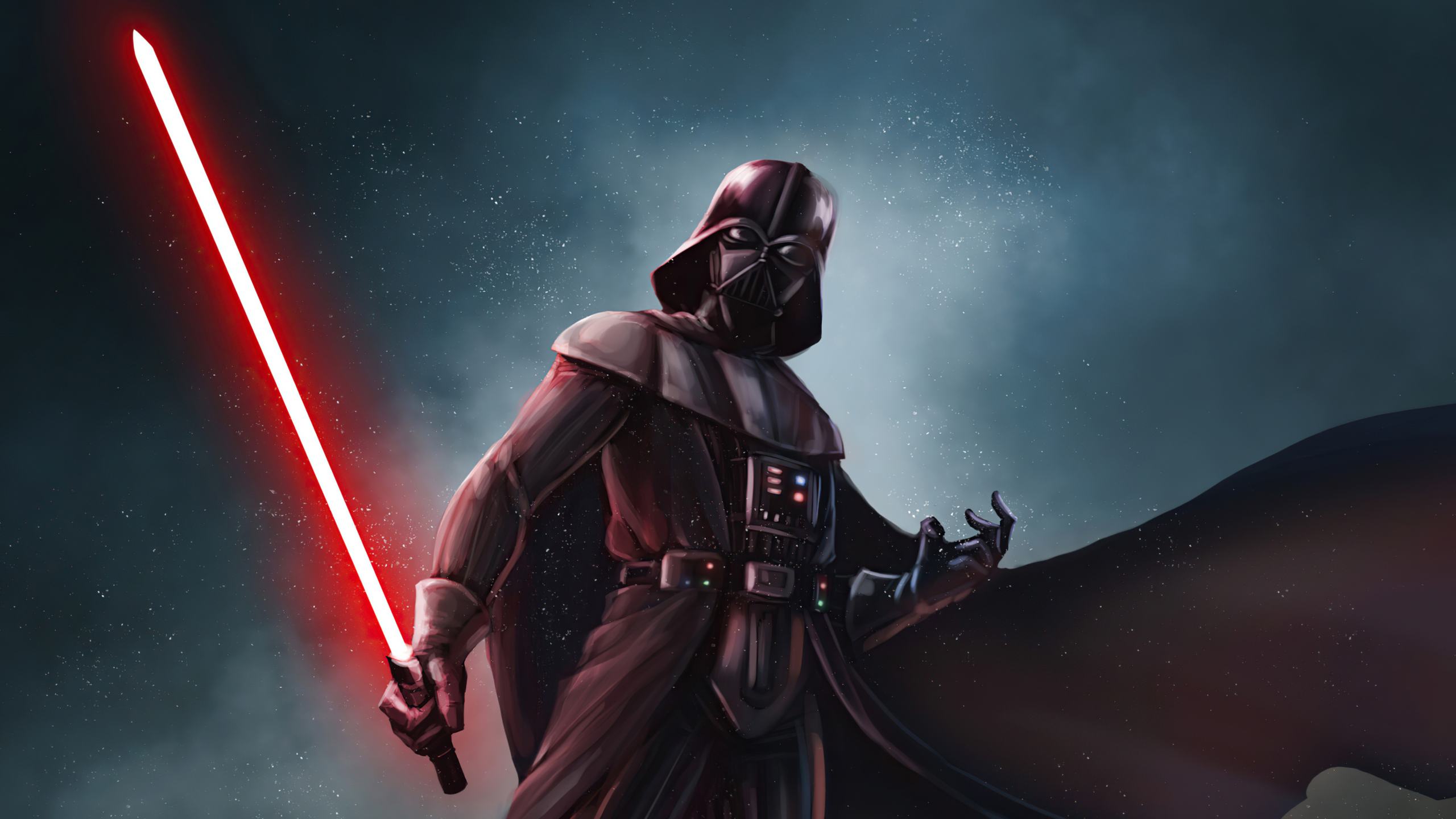
May the 4th: From Fan Phrase to Global Event
What began as a clever pun—“May the 4th be with you”—has grown into an international celebration of Star Wars. Each year, May 4 now serves as a focal point for major announcements, product launches, and fan experiences.
In 2026, the scale of the celebration reached new heights. Disney Parks rolled out one of its most ambitious merchandise events yet, featuring exclusive Mandalorian-themed products, Grogu collectibles, and limited-edition items across Disneyland and Walt Disney World.
Fans were met with:
- Zip-up hoodies priced between $59.99 and $99.99
- Grogu-inspired apparel and collectibles
- MagicBand+ wearable devices at $44.99
- Limited-edition pins and Galaxy’s Edge-themed sets
The response was immediate. Reports indicated that some items saw sell-through rates exceeding 60% within hours, underscoring the continued demand for exclusive Star Wars memorabilia.
Beyond merchandise, Disney expanded the experience with themed food, character interactions, and digital collectibles tied to physical purchases—turning the day into a full-spectrum fan event.
Retail Frenzy: The Business of Star Wars
The commercial power of Star Wars extends far beyond Disney Parks. Major retailers like Amazon leveraged the occasion with massive one-day sales events, offering discounts across hundreds of products.
From LEGO building sets to high-end replica helmets and collectible action figures, the breadth of merchandise reflects the franchise’s unique ability to appeal to multiple demographics—from casual fans to serious collectors.
Highlights included:
- LEGO Star Wars sets discounted from $160 to $112
- Black Series replica helmets priced under $100
- Lightsabers reduced from $250 to $149
- Multi-pack action figure sets at nearly 50% off
These limited-time deals, many structured as Lightning Deals, created urgency and drove rapid sellouts, demonstrating how Star Wars continues to dominate retail cycles tied to cultural moments.
Meanwhile, curated gift guides and themed products—from board games to decorative lamps—highlight how the franchise has embedded itself into everyday consumer culture.
Expanding the Universe: New Stories and Darker Narratives
While merchandise fuels the commercial engine, storytelling remains the core of Star Wars. In 2026, the franchise pushed into darker and more complex territory with the release of Star Wars: Maul – Shadow Lord on Disney+.
Set in the post-Clone Wars era, the series re-centers the narrative on Darth Maul, exploring his transformation into a crime lord seeking revenge against Darth Sidious.
A New Chapter for an Iconic Villain
The first season concludes with a dramatic confrontation between Maul and Darth Vader—an encounter long anticipated by fans. However, the outcome reinforces a key shift in the franchise’s tone: Maul is no longer the unstoppable force he once appeared to be.
Vader dominates the duel, demonstrating overwhelming power and forcing Maul into survival mode.
This confrontation reshapes Maul’s trajectory, pushing him toward strategic alliances and darker manipulation tactics rather than direct confrontation.
The Rise of a New Apprentice
One of the most significant developments is the transformation of Devon Izara. Initially caught between Jedi teachings and Maul’s influence, she ultimately succumbs to the dark side following the death of her master.
Her decision to become Maul’s apprentice signals a continuation of Sith ideology—while also hinting at the emergence of a character inspired by Darth Talon from earlier Star Wars lore.
Setting the Stage for Season 2
The series also lays groundwork for future developments:
- Maul’s plan to seize control of the Crimson Dawn syndicate
- The return of Imperial Inquisitors as ongoing threats
- Expanding conflicts between criminal empires and the Galactic Empire
These narrative threads position Shadow Lord as a bridge between established canon and new storytelling directions, blending legacy characters with original arcs.
A Franchise Built on Layers: Fans, Lore, and Legacy
What distinguishes Star Wars from other franchises is its ability to operate on multiple levels simultaneously.
For Casual Audiences
It offers blockbuster entertainment, iconic characters, and accessible storytelling.
For Dedicated Fans
It provides deep lore, interconnected narratives, and subtle references that reward long-term engagement—such as callbacks to Revenge of the Sith, Star Wars Rebels, and early Expanded Universe material.
For Collectors and Consumers
It delivers an ever-expanding catalog of products that transform fandom into lifestyle.
This layered approach ensures that Star Wars remains relevant across generations, adapting to new platforms while preserving its core mythology.
The Future of Star Wars: Where Does the Galaxy Go Next?
As 2026 unfolds, the trajectory of Star Wars suggests continued expansion across both storytelling and commercial fronts.
Key Trends to Watch
1. Darker Narrative Arcs
Series like Maul – Shadow Lord indicate a willingness to explore morally complex characters and themes.
2. Integrated Fan Experiences
The blending of physical merchandise, digital collectibles, and in-park interactions signals a move toward immersive ecosystems.
3. Expanded Canon Development
Reintroducing concepts from George Lucas’ original sequel trilogy ideas—such as Maul as a central antagonist—shows a strategic merging of legacy and innovation.
4. Event-Driven Commerce
Retail events tied to cultural moments like May the 4th will continue to drive significant engagement and revenue.
Conclusion: More Than a Franchise
Nearly half a century after its creation, Star Wars is no longer just a film series—it is a cultural infrastructure.
In 2026, that infrastructure spans streaming platforms, global retail networks, theme parks, and digital ecosystems. It connects generations of fans while continuously reinventing itself through new stories and experiences.
Whether through a lightsaber duel on screen, a limited-edition collectible, or a celebration at a Disney park, Star Wars continues to answer the same question it always has:
What happens when storytelling becomes a universe?


