

Euphoria Season 3 Episode 4 Recap: Chaos,Consequences, and Cracks in the Fantasy
A Night Where Everything Begins to Collapse
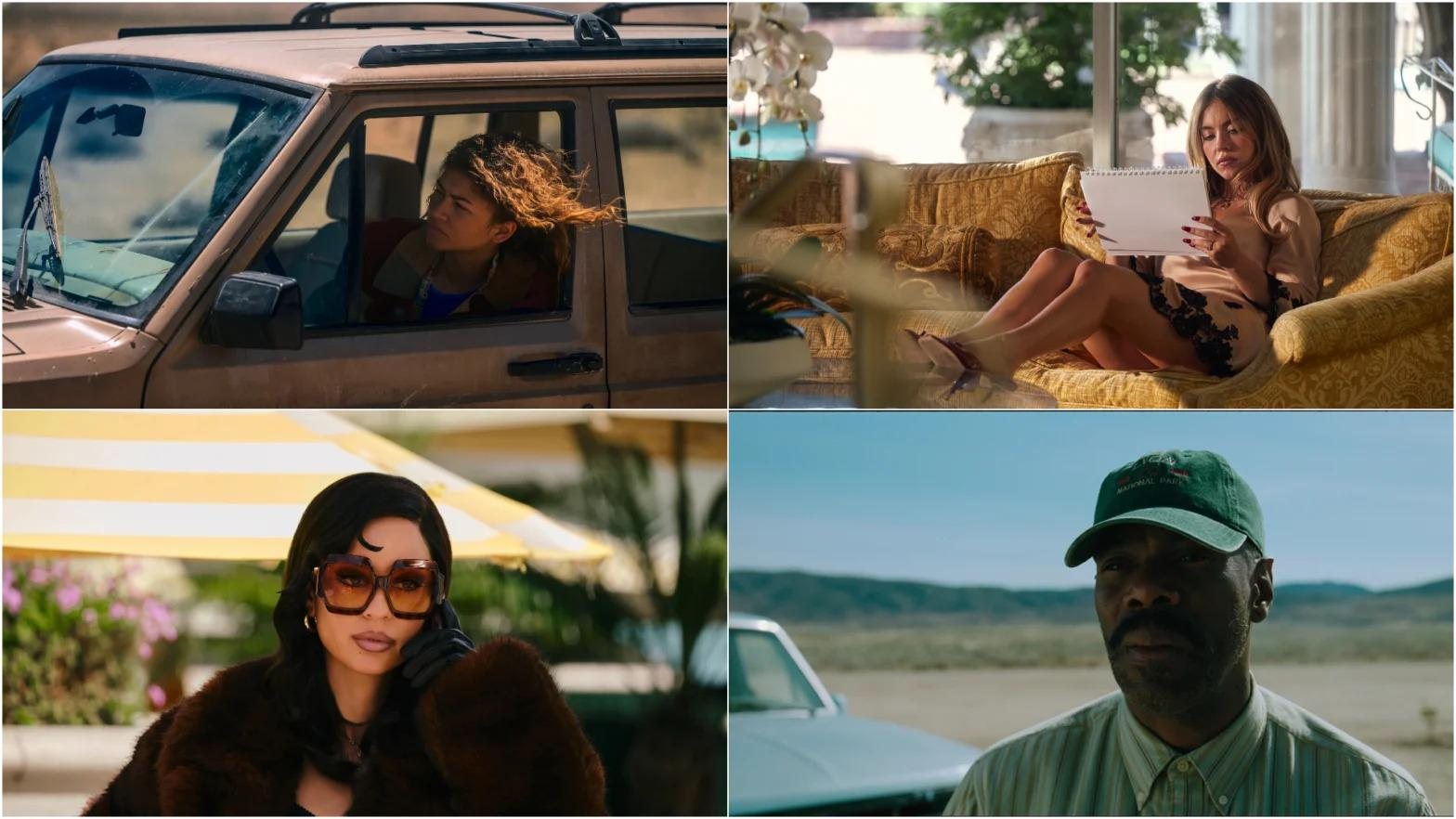
Episode 4 of Euphoria Season 3, titled “Kitty Likes to Dance,” marks a decisive turning point in the series’ narrative arc. What begins as a continuation of earlier tensions quickly evolves into a high-stakes collision of crime, identity, ambition, and survival.
At its core, the episode strips away illusions—whether romantic, personal, or societal—and forces its characters into uncomfortable confrontations with reality. From Rue’s entanglement with federal authorities to Cassie’s pivot into digital fame, Episode 4 underscores a central theme: the consequences of past choices are no longer avoidable.
Rue’s Breaking Point: From Addict to Informant
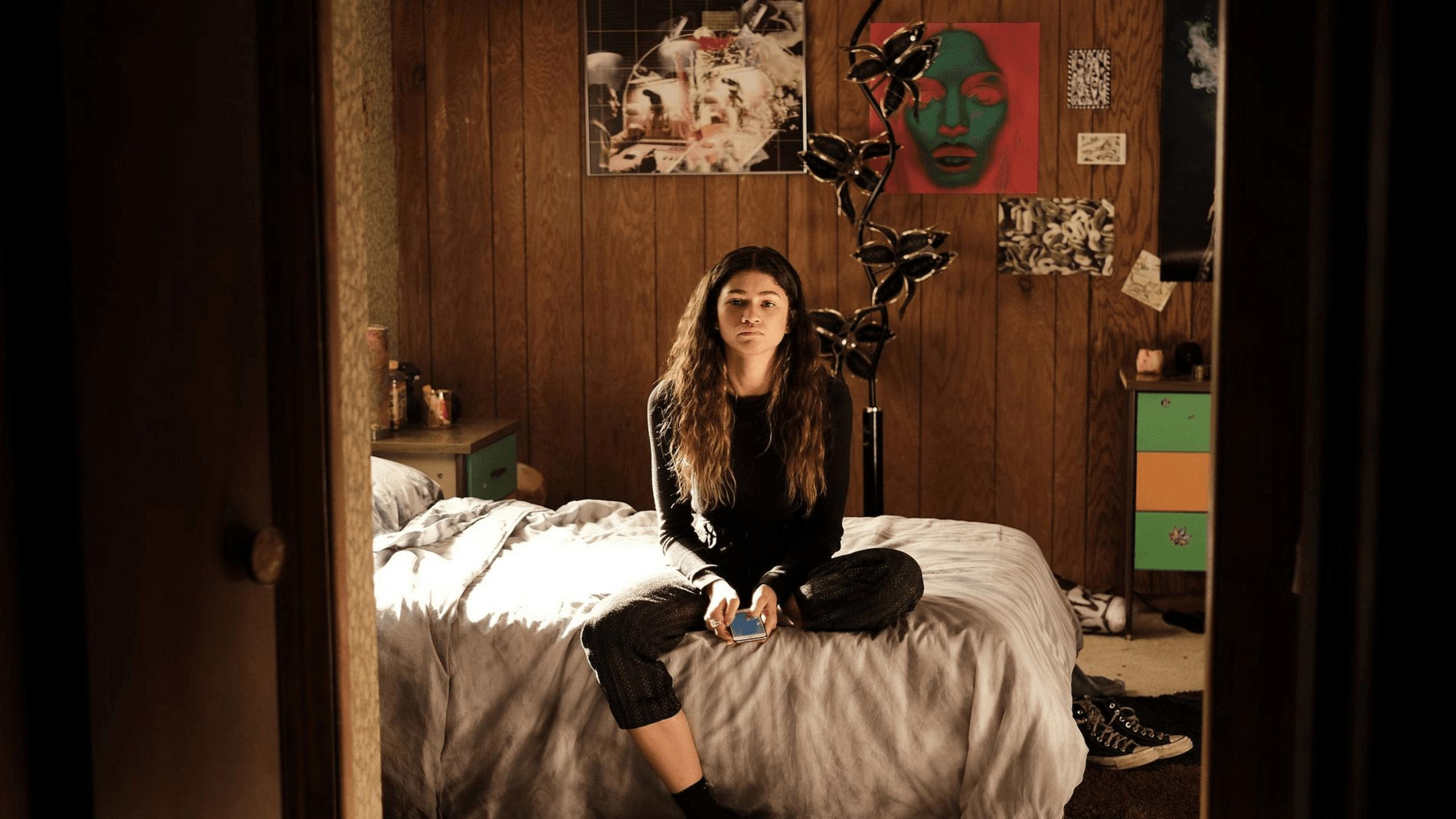
The episode opens with one of its most intense sequences: Rue in police custody, surrounded by flashing lights and the looming presence of law enforcement. What follows is a psychological unraveling.
After being detained and interrogated, Rue faces the full weight of her actions. Authorities connect her to Laurie and cartel activity, presenting evidence that leaves little room for denial. As the stakes escalate, Rue is confronted with a stark ultimatum—decades in prison or cooperation with the DEA.
Under pressure, Rue makes a fateful decision: she agrees to become an informant.
“And that is how I became a snitch,” she narrates.
This choice fundamentally alters her trajectory. The DEA outfits her with surveillance tools, including a bugged phone and swapped-out drugs designed to bait higher-level targets.
Yet, Rue proves ill-suited for the role. Her anxiety, erratic behavior, and inability to maintain composure quickly raise suspicion among those around her. During a tense poker game with Alamo, her probing questions nearly expose her cover, forcing her to deflect by admitting to drug use instead.
The tension builds relentlessly, culminating in a chaotic strip club confrontation interrupted by an armed robbery—an event that briefly saves Rue from exposure.
But the reprieve is temporary. In the episode’s closing moments, Rue identifies the getaway driver as Faye, linking the incident directly to Laurie’s network and setting the stage for an escalating criminal war.
Cassie’s Reinvention: From Fairytale to Financial Survival
While Rue navigates danger, Cassie faces a different kind of crisis—one rooted in disillusionment and financial desperation.
The illusion of her relationship with Nate shatters when she learns the full extent of his debt: approximately $1 million.
“The fairytale’s over.”
In response, Cassie makes a decisive break. She leaves Nate behind and turns to Maddy for help, embarking on a calculated transformation aimed at financial independence and social influence.
Her strategy is unapologetically modern: she launches an OnlyFans account as a rapid income solution.
Under Maddy’s guidance, Cassie undergoes a dramatic makeover—shifting from suburban innocence to a polished, hyper-visible persona designed for digital success.
This transformation reaches its peak at a high-profile party hosted by influencer Brandon Fontaine, where Cassie deliberately engineers viral attention. Through provocative performances and strategic positioning, she successfully captures the spotlight—and a surge of followers.
The episode frames Cassie’s journey not simply as empowerment, but as a commentary on the commodification of identity in the digital age.
Collateral Damage: Lexi, Jules, and the Cost of Creativity
Amid the chaos, a quieter but equally telling storyline unfolds through Lexi and Jules.
Lexi commissions Jules to create artwork for a television production, an opportunity that quickly spirals into professional disaster. Jules delivers a provocative piece unsuitable for network television, forcing production delays and financial losses.
The fallout is immediate and measurable:
- $56,000 lost in shooting delays
- $191,000 total cost impact
The incident highlights the tension between artistic expression and commercial constraints. Jules’ uncompromising vision clashes with industry realities, leaving Lexi to absorb the consequences.
This subplot reinforces a recurring Euphoria theme: even creativity is not immune to the pressures of economics and accountability.
Violence, Vulnerability, and the Club Underworld
The episode’s nightclub sequences serve as a microcosm of its broader themes—power, exploitation, and survival.
A new dancer, Kitty, is introduced, representing both opportunity and vulnerability within the club’s ecosystem. Her experiences, juxtaposed with Cassie’s glamorous reinvention, expose stark contrasts in how women navigate visibility and control.
Rue’s interactions with Kitty reveal a moment of moral clarity amid chaos. She questions whether Kitty is being coerced, only to receive a simple, unsettling response:
“I like to dance.”
This ambiguity underscores the blurred lines between choice and exploitation—a recurring motif in the series.
The tension culminates in the armed robbery that disrupts the club, a violent intrusion that symbolizes the escalating stakes of the drug trade storyline.
Nate’s Decline: Power Without Control
Parallel to these arcs is Nate’s quiet unraveling.
Physically injured and financially cornered, he attempts to regain control through legal appeals and symbolic gestures. His fixation on a surgically reattached toe as a metaphor for rebuilding his life is met with skepticism—and ultimately rejection.
When his plans collapse, Nate is reduced to desperation, even begging authorities for relief.
His downfall mirrors the broader collapse of illusion within the episode: power, once assumed, proves fragile and fleeting.
Thematic Core: Truth, Lies, and Consequences
Episode 4 is anchored by a philosophical thread introduced early on:
“People love to argue about the truth… While we may disagree about what the truth is, we all know when we’re telling a lie.”
This idea reverberates across every storyline:
- Rue lies to survive, yet becomes trapped by those lies.
- Cassie reinvents herself, blurring authenticity and performance.
- Jules creates art that reflects truth but clashes with acceptable norms.
- Nate clings to illusions of control that reality dismantles.
The episode suggests that truth is less about facts and more about consequence—what happens when illusions can no longer be sustained.
What Comes Next: A Season on the Brink
By the episode’s conclusion, multiple threads remain unresolved:
- Rue’s role as an informant is increasingly precarious.
- Cassie’s rise in the influencer economy raises questions about sustainability and cost.
- The conflict between Laurie and Alamo appears set to escalate into open warfare.
- Secondary characters face mounting personal and professional consequences.
With Episode 5, “This Little Piggy,” scheduled for release on May 10, the narrative is poised to intensify further.
Final Thoughts: The End of Illusions
“Kitty Likes to Dance” is less about progression and more about exposure. It peels back the layers of fantasy that have defined the season—romantic, financial, and personal—and reveals the instability beneath.
In doing so, it delivers one of the season’s most thematically cohesive and emotionally charged episodes, positioning Euphoria not just as a drama, but as a critique of modern identity, power, and survival.


