

Henry Cavill: Reinvention, Risk, and the Road Beyond Heroes
A Career at a Turning Point
Few modern actors have navigated the tension between blockbuster fame and career reinvention as deliberately as Henry Cavill. Known globally for embodying heroic figures—from Superman to Geralt of Rivia—Cavill now appears to be entering a more complex phase of his career, one defined not by typecasting but by strategic repositioning.
In 2026, that transition has become explicit. Rather than chasing the most coveted role in British cinema history, Cavill has publicly reframed his ambitions: he no longer sees himself as the next James Bond, but instead as a potential antagonist within that universe.
This shift is not incidental. It reflects broader changes in both the actor’s career trajectory and the evolving structure of the Bond franchise itself.
From Bond Contender to Strategic Outsider
Cavill’s connection to the Bond legacy dates back to 2005, when he auditioned for the role during the casting process for Casino Royale. At the time, he was considered a serious contender before the role ultimately went to Daniel Craig.
Two decades later, Cavill addressed that moment with clarity:
“I didn’t turn the role down – it just wasn’t the right time. What actor wouldn’t love to be Bond? But at 42, I’d probably be considered a bit old to start now. I would love to be a Bond villain, though.”
The statement marks a decisive pivot. Rather than revisiting past opportunities, Cavill is aligning himself with roles that better match his current positioning—both in age and in creative direction.
The Bond Franchise in Transition
Cavill’s comments arrive at a moment of structural change for the Bond franchise. With rights now controlled by Amazon MGM Studios, the series is entering a new development cycle.
Key creative figures reportedly attached to the next installment include:
- Denis Villeneuve (director)
- Steven Knight (writer)
At the same time, no official casting announcements have been made for either the next James Bond or the film’s central antagonist. Names circulating for the lead role include:
- Callum Turner
- Jacob Elordi
- Aaron Taylor-Johnson
This uncertainty creates a strategic opening—particularly for actors like Cavill, whose established global recognition could anchor a high-profile villain role.
Proof of Concept: The Case for a Villain Arc
Cavill’s interest in playing a Bond antagonist is not speculative. It is grounded in precedent.
His performance as August Walker (John Lark) in Mission: Impossible — Fallout demonstrated his ability to portray controlled menace and physical dominance. Critics noted that his presence rivaled that of leading star Tom Cruise, positioning him as a credible antagonist within a major action franchise.
Industry commentary has pointed to that role as effectively a “proof of concept” for a Bond villain—combining charisma, physicality, and psychological tension.
This shift toward antagonistic or morally ambiguous characters aligns with a broader pattern in Cavill’s career: moving beyond archetypal heroes into layered, strategically complex roles.
Expanding the Filmography: “In the Grey” and Beyond
The film pairs Cavill with Jake Gyllenhaal in a narrative centered on covert operatives attempting to execute a billion-dollar heist. Cavill plays Sid, a disciplined British operative navigating a mission that escalates into large-scale conflict.
The project reflects several key trends in Cavill’s career:
- A continued relationship with established directors
- A move toward ensemble-driven narratives
- A balance between action spectacle and character-driven tension
The production, filmed in Tenerife under challenging conditions, emphasizes practical effects and grounded action sequences over heavy reliance on CGI.
From Superman to Strategic Roles
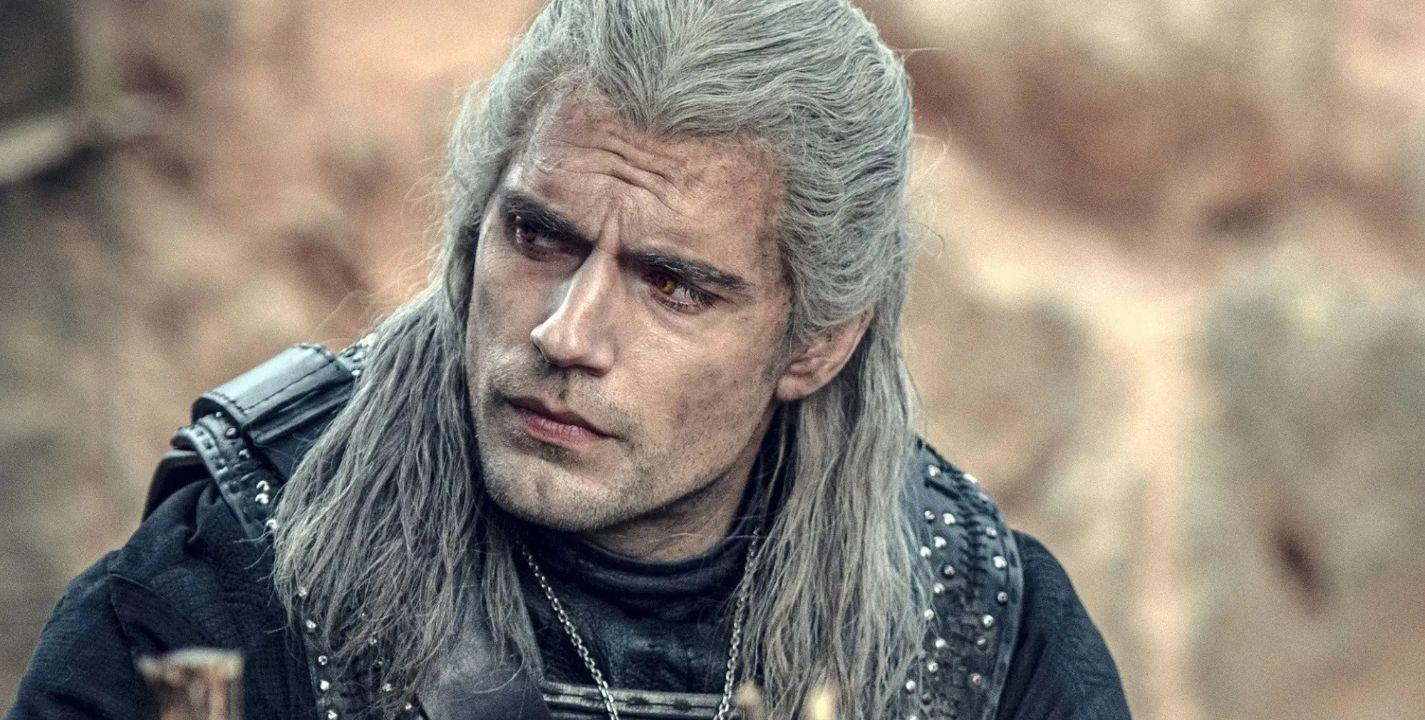
Cavill’s early global recognition came through his portrayal of Superman in the DC Extended Universe and later through Geralt of Rivia in The Witcher. These roles established him as a leading figure in fantasy and superhero genres.
However, his recent decisions suggest a deliberate recalibration:
- Moving away from long-term franchise commitments
- Exploring shorter, high-impact roles
- Positioning himself within director-driven projects
This approach mirrors a broader industry shift, where established actors seek greater creative control and diversification rather than long-term typecasting.
The Industry Context: Why a Villain Role Matters
The modern Bond franchise has increasingly emphasized complex antagonists—characters who mirror or challenge the protagonist’s worldview.
For Cavill, stepping into such a role would offer several advantages:
- Narrative flexibility: Villains often allow greater emotional and psychological range
- Franchise relevance: Participation in Bond maintains global visibility
- Career differentiation: A clear departure from heroic archetypes
From a studio perspective, casting a recognizable figure like Cavill as a villain could also recalibrate audience expectations, adding immediate intrigue to the next installment.
What Comes Next?
At present, no official casting decisions have been announced for the next Bond film. However, Cavill’s public positioning signals intent.
Rather than waiting for opportunities, he is actively shaping the narrative around his career—identifying roles that align with both his experience and the industry’s evolving demands.
His trajectory suggests a calculated transition:
- From leading man to versatile performer
- From franchise hero to narrative disruptor
- From contender to strategic choice
Conclusion: Reinvention as Strategy
Henry Cavill’s current phase is less about missed opportunities and more about controlled reinvention. By openly expressing interest in playing a Bond villain, he reframes his relationship with one of cinema’s most iconic franchises.
In doing so, he also reflects a broader industry reality: longevity in Hollywood increasingly depends not on holding onto iconic roles, but on knowing when to evolve beyond them.
If the Bond franchise is indeed entering a new era, Cavill’s timing—once considered off—may now be precisely aligned.


