

Dalton Eatherly: How a Controversial Livestreamer Became the Center of a Tennessee Shooting Case
A shooting outside a Tennessee courthouse has pushed online livestreamer Dalton Eatherly — better known on social media as “Chud the Builder” — into national headlines, reigniting debates about hate speech, livestream culture, public provocation, and the real-world consequences of online extremism.
Eatherly, 28, was arrested after a violent confrontation outside the Montgomery County Courthouse in Clarksville, Tennessee, on May 13, 2026. Authorities said the incident escalated into an exchange of gunfire that left both Eatherly and another unidentified man wounded. Prosecutors later charged Eatherly with attempted murder, aggravated assault, reckless endangerment with a deadly weapon, and employing a firearm during the commission of a felony.
The case has rapidly drawn national attention not only because of the shooting itself, but also because of Eatherly’s growing notoriety online, where he built an audience by livestreaming confrontational encounters involving racially charged insults directed at Black people in public spaces.
The Courthouse Shooting That Sparked National Attention
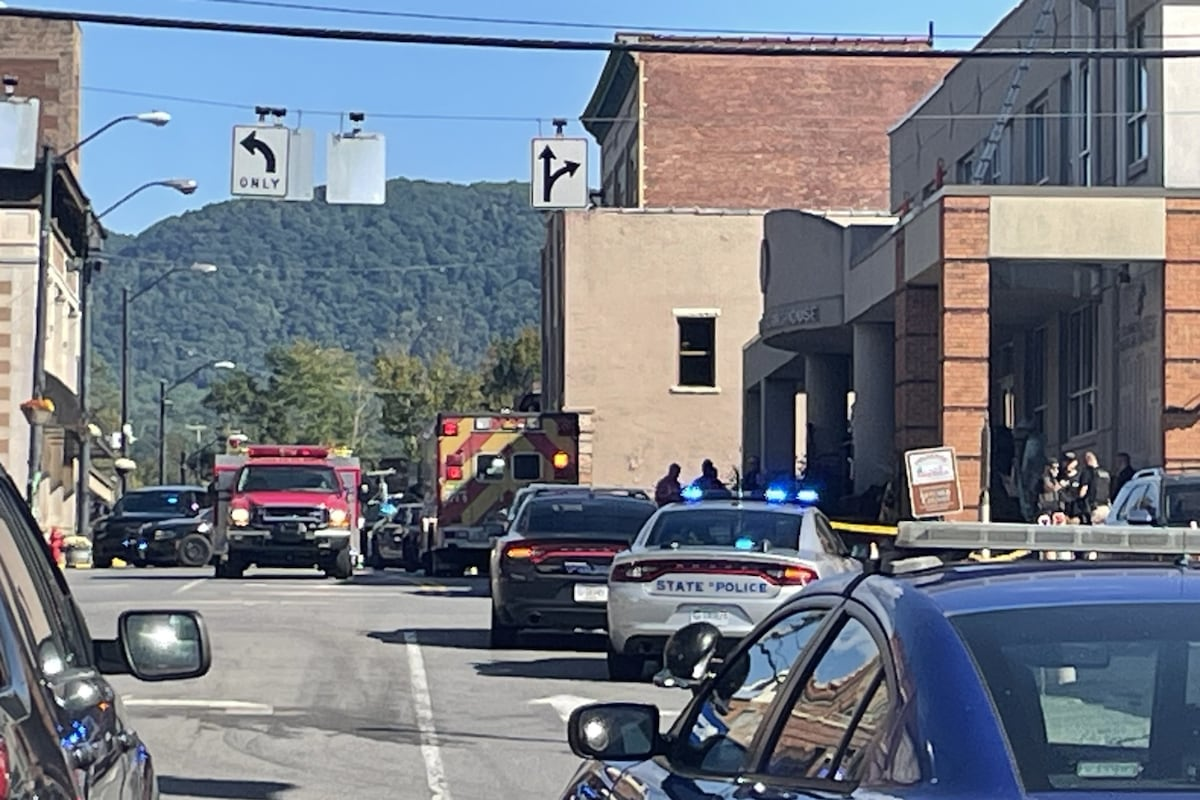
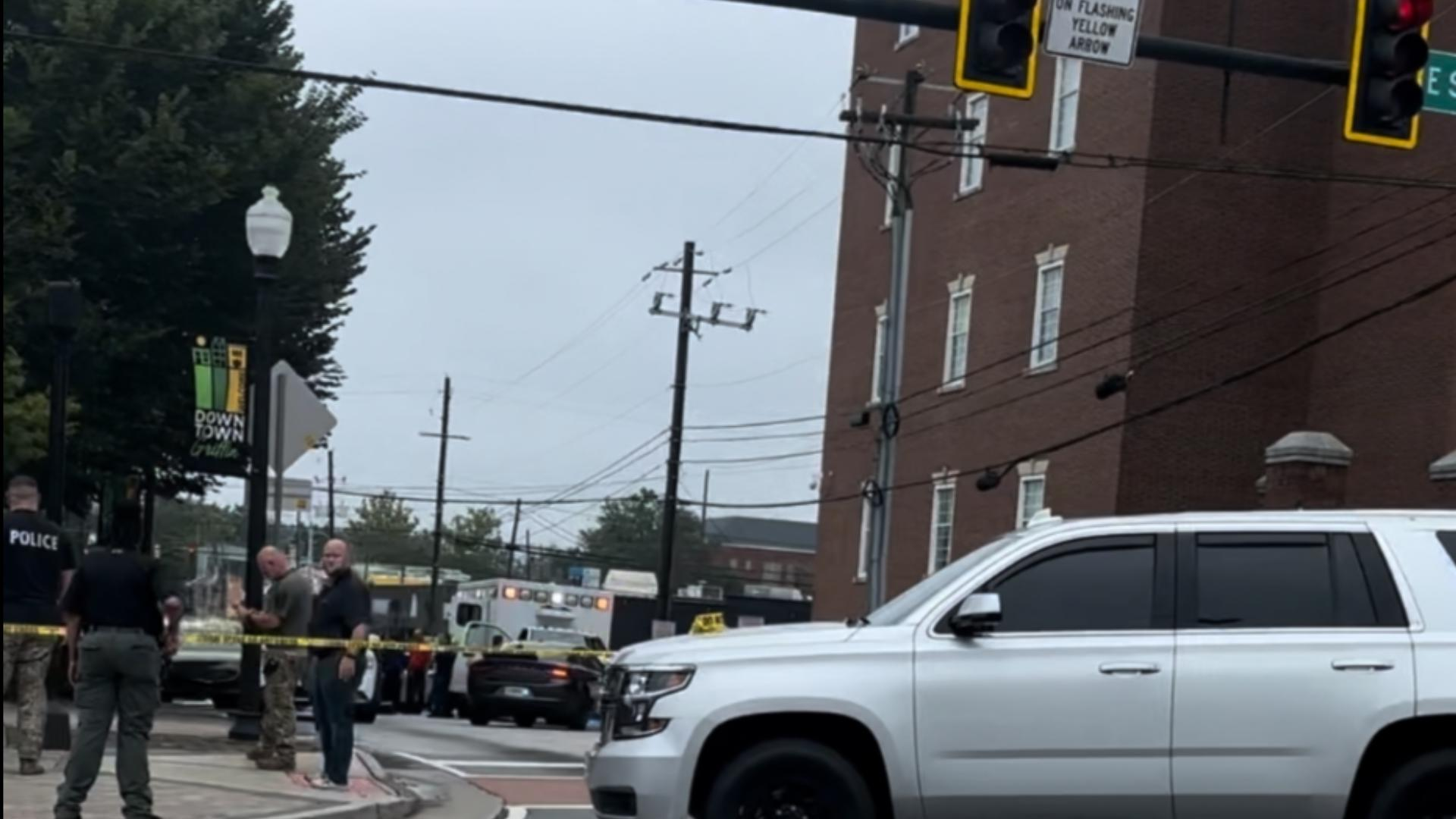
According to the Montgomery County Sheriff’s Office and the Tennessee District Attorney General’s Office, deputies responded to reports of gunfire outside the courthouse at approximately 1:20 p.m. Wednesday afternoon. Investigators said two adult men became involved in a confrontation that turned violent.
Both men sustained gunshot wounds. One was transported to Vanderbilt of Clarksville Hospital, while the other was airlifted to Vanderbilt University Medical Center in Nashville. Authorities said both were in stable condition afterward.
Officials have not publicly identified the second man involved in the incident, nor have they disclosed precisely what triggered the confrontation or whether both men were armed.
District Attorney Robert J. Nash confirmed that Eatherly and the unidentified man were involved in the altercation but declined to explain why Eatherly was at the courthouse or what events led to the shooting.
“I Had to Defend Myself”
Shortly after the incident, video clips circulated online showing Eatherly speaking with first responders while receiving medical attention.
In footage referenced by multiple reports, Eatherly claimed he acted in self-defense.
“I had to defend myself by shooting him,” he said in the livestream.
He also described an argument involving a group of people who he claimed were “laughing” and “pointing” at him. According to Eatherly’s account, the unidentified man warned him not to use racially offensive language before allegedly striking him.
“He said, ‘You start saying all that chimp out s**t to me and ‘imma hit you,’ and he hit me, he started whaling on me,” Eatherly said in the video.
Authorities have not confirmed Eatherly’s version of events.
A Livestream Persona Built on Confrontation
Before the shooting, Eatherly had already become a divisive figure online because of videos in which he confronted strangers in public while filming himself.
Witnesses and local residents described him as someone who intentionally provoked reactions from people while broadcasting the encounters live to social media audiences.
Claire Martin, who works in an attorney’s office across from the courthouse, said Eatherly was “well known in Clarksville for antagonizing people to see what he can get them to do.”
She added that he frequently “yells racial slurs” while recording interactions with members of the public.
Several videos referenced in news reports show Eatherly directing racist insults at Black individuals in stores, restaurants, and public gathering places. In one widely discussed clip, he repeatedly used the N-word while confronting a Black man inside a market.
The livestreamer also reportedly referred to Black people as “chimps,” language rooted in longstanding racist stereotypes historically used to dehumanize Black communities.
Local resident Larry Quillen said he had seen videos where Eatherly carried a firearm and pepper spray while deliberately provoking confrontations.
“I was just kind of like it’s a matter of time,” Quillen said. “Because what he’s doing is hate. It’s not even freedom of speech and that’s what he claims to do.”
Legal Problems Were Already Mounting
The courthouse shooting came only days after another criminal case involving Eatherly in Nashville.
According to police affidavits, Eatherly was arrested after an incident at Bob’s Steak & Chop House where restaurant employees reportedly asked him to stop livestreaming inside the business.
Authorities alleged that he became disruptive, shouted racial remarks, and refused to pay a restaurant bill totaling approximately $371.55.
Police later charged him with theft of services, disorderly conduct, and resisting arrest. He was released on a $5,000 bond.
In addition to those charges, court records showed Eatherly had also been scheduled to appear in Clarksville on the day of the shooting regarding a civil debt case involving approximately $3,300 allegedly owed to Midland Credit Management.
The Rise of Rage-Based Livestreaming
The Eatherly case has become part of a broader national discussion surrounding the growth of rage-driven livestream culture.
Over the past several years, controversial online personalities have increasingly used public confrontations, harassment, and inflammatory speech to attract viewers and monetize attention across social media platforms.
Critics argue that algorithms often reward the most shocking and divisive behavior because outrage generates engagement, views, donations, and follower growth.
Eatherly’s online identity appeared closely tied to that dynamic. Reports described his content as heavily focused on confrontational interactions filmed in public places, many involving racist language or intentionally provocative behavior.
Even some far-right figures publicly criticized his tactics. CNN reported that white nationalist commentator Nick Fuentes said he did not support “that approach of antagonizing people in public,” calling it “wrong” and “unethical.”
Community Concerns About Escalation
For many residents in Clarksville and Nashville, the shooting represented what they viewed as an inevitable escalation.
Witnesses and community members repeatedly described concern that Eatherly’s confrontational behavior could eventually lead to violence.
The incident has intensified discussions around the limits of free speech, online harassment, public safety, and whether livestream platforms should more aggressively moderate content involving hate speech or deliberate provocation.
Sheriff John Fuson addressed the broader impact of the incident in a public statement.
“It’s unfortunate that incidents like this are happening in our community,” Fuson said. “This kind of violence won’t be tolerated, and our office will work to make sure those responsible are held accountable to the fullest extent of the law.”
What Happens Next
As of the latest reports, Eatherly remained in Montgomery County Jail awaiting arraignment, where bond conditions would be determined.
Investigators continue examining the circumstances surrounding the courthouse shooting, including witness statements, video footage, and forensic evidence.
The case is expected to attract continued national scrutiny because it intersects with several contentious issues simultaneously:
- online extremism
- racial harassment
- gun violence
- livestream monetization
- public disorder
- free speech debates
The legal outcome could also shape future conversations about accountability for content creators whose online personas rely heavily on real-world confrontation.
A Story Larger Than One Individual
The story surrounding Dalton Eatherly is no longer simply about an internet personality seeking attention through provocative livestreams.
It has become a case study in how online behavior can spill into physical spaces with dangerous consequences.
For critics, the shooting underscores fears that social media ecosystems increasingly reward escalation over responsibility. For supporters of stronger moderation policies, it highlights the risks associated with unchecked hate-driven content.
And for communities forced to witness these confrontations firsthand, the incident raises difficult questions about where the line exists between protected expression and conduct that threatens public safety.
As investigators continue piecing together exactly what happened outside the Clarksville courthouse, one reality is already clear: the collision between online outrage culture and real-world violence is becoming harder to ignore.


