

Boston Marathon Weather: How Conditions Shape the Race Across Boston
A City, a Race, and the Unpredictable Element
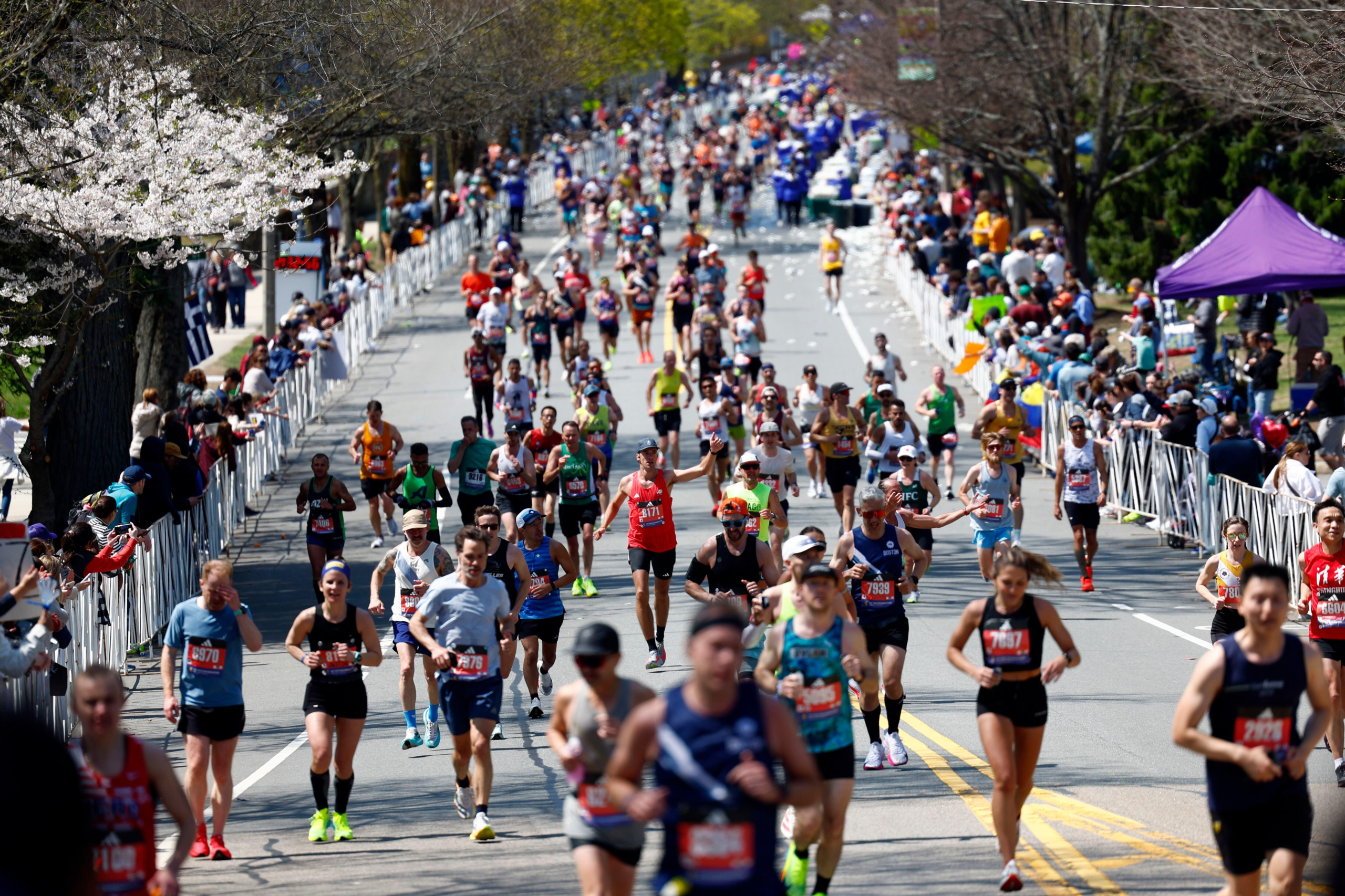
Every year, the Boston Marathon transforms the streets of Boston into a global stage of endurance, history, and human ambition. More than 30,000 athletes from 132 countries line up in Hopkinton, making their way through 26.2 miles of iconic terrain toward Copley Square.
But beyond training, pacing, and competition, one variable consistently shapes the outcome of the race: Boston weather.
In 2026, as anticipation builds and runners prepare for staggered starts between 9:06 a.m. and 11:21 a.m., weather conditions once again sit at the center of attention—for athletes, spectators, and organizers alike.
The Forecast Factor: What Runners Are Facing
In the days leading up to the marathon, forecasts indicated cloudy skies with temperatures hovering in the high 50s°F (around 57°F), with a small chance of precipitation.
At first glance, these conditions appear favorable. For marathon runners, moderate temperatures are typically ideal. Excessive heat can lead to dehydration and fatigue, while cold or wet conditions can stiffen muscles and increase injury risk.
However, Boston’s weather is rarely static.
- Morning fog and cloud cover can shift rapidly
- Coastal winds can intensify along exposed stretches
- Light rain can alter road traction and pacing strategies
Even a subtle change in wind direction along the point-to-point course—from Hopkinton to Boston—can significantly impact finishing times.
Race Day Timeline Meets Weather Dynamics
The Boston Marathon is unique in its wave-based start system, spreading runners across several hours. This structure means weather conditions evolve throughout the race.
Start Times and Early Conditions
- 9:06 a.m. – Men’s Wheelchair
- 9:09 a.m. – Women’s Wheelchair
- 9:30 a.m. – Handcycles & Duos
- 9:37 a.m. – Professional Men
- 9:47 a.m. – Professional Women
- 10:00 a.m. – Wave 1
- Final wave begins at 11:21 a.m.
Early starters may encounter cooler, calmer conditions, while later waves could face rising temperatures or shifting winds. This staggered timing creates an uneven playing field, where environmental exposure differs across divisions.
Heartbreak Hill: Where Weather Meets Endurance
Few sections of the marathon are as infamous as Heartbreak Hill in Newton, located between miles 20 and 21.
This is where physical fatigue peaks—and where weather becomes decisive.
- Men’s wheelchair athletes reach this point just after 10:04 a.m.
- Professional men pass around 11:10 a.m.
- Professional women follow at approximately 11:32 a.m.
By this stage, even minor weather changes can have amplified effects:
- Headwinds slow forward momentum on the incline
- Humidity increases cardiovascular strain
- Sun exposure, if clouds break, accelerates fatigue
For spectators, the advice is clear: arrive early and prepare for shifting conditions, especially if planning to watch at this critical segment.
The Finish Line: Weather and the Final Push
The iconic finish line on Boylston Street in Copley Square is where weather conditions often determine race outcomes.
Projected finishing times for elite athletes:
- Wheelchair men: ~10:21 a.m.
- Wheelchair women: ~10:36 a.m.
- Professional men: ~11:40 a.m.
- Professional women: ~12:04 p.m.
For these athletes, even slight environmental advantages—such as tailwinds or stable temperatures—can mean the difference between victory and defeat.
Meanwhile, thousands of runners continue crossing the finish line well into the afternoon, as the course remains open until 5:30 p.m.
By then, Boston weather may look entirely different from the morning start.
More Than a Race: Weather’s Role in a Global Event
The Boston Marathon is not just a sporting event—it is a cultural and economic force.
- Estimated economic impact exceeds $509 million
- Over 10,000 volunteers support operations
- Hundreds of charities and nonprofits participate
Weather directly influences all of these dimensions:
- Tourism patterns shift based on forecast confidence
- Spectator turnout depends on comfort conditions
- Charity engagement can rise or fall with crowd participation
For example, organizations like the American Liver Foundation use the marathon to raise awareness and funds, with runners motivated by deeply personal causes.
A Historical Perspective: Boston Weather and Marathon Legacy
Weather has long been intertwined with the history of the Boston Marathon.
From the milestone moment in 1972—when women were officially allowed to compete, led by Nina Kuscsik—to modern-day elite races, environmental conditions have shaped performances and narratives alike.
Boston Athletic Association continues to refine race logistics, including qualifying standards and wave structures, partly in response to evolving participation and environmental considerations.
The Human Element: Stories Beyond the Weather
While weather plays a decisive role, the Boston Marathon remains deeply human.
Runners like Sunita Williams—who once completed the race in space—highlight the resilience and unpredictability of the event. Her return to run on Earth in 2026 reflects a broader truth: conditions may vary, but determination remains constant.
As one participant noted, the marathon is more than a race—it is “a unifying event for the city,” drawing people from around the world into a shared experience.
What to Expect: Looking Ahead
For 2026, the outlook suggests manageable but dynamic conditions—cloud cover, mild temperatures, and the possibility of minor precipitation.
These are not extreme conditions, but they demand:
- Strategic pacing from runners
- Flexible planning from spectators
- Adaptive logistics from organizers
In Boston, weather is not just a backdrop. It is an active participant.
Conclusion: The Invisible Competitor
Every Boston Marathon introduces a silent competitor—weather.
It does not wear a bib number, yet it influences every split time, every stride, and every finish line moment. From the cool morning starts in Hopkinton to the final push on Boylston Street, Boston weather shapes the rhythm of the race in ways both subtle and profound.
In 2026, as thousands take on the challenge, success will depend not only on preparation and endurance—but also on how well runners respond to the ever-changing skies above Boston.


