
Chocolate Under the Microscope: From Global Delight to Food Safety Spotlight
A Beloved Indulgence Meets a Modern Reality
Chocolate has long held a unique place in global culture—synonymous with indulgence, celebration, and comfort. From artisanal dark bars boasting high cocoa content to creamy hot cocoa blends served in cafés, chocolate products are woven into daily routines and special occasions alike. Yet, behind this universally loved treat lies a complex supply chain where even minor disruptions can trigger significant consequences.
- A Beloved Indulgence Meets a Modern Reality
- The Recall That Shook a Trusted Brand
- Understanding the Health Risk
- A Complex Web: Chocolate Production and Supply Chains
- Industry Impact: Beyond One Brand
- Consumer Guidance: What to Do
- Chocolate’s Enduring Appeal Amid Challenges
- Looking Ahead: Strengthening Trust in the Chocolate Industry
- Conclusion: A Sweet Industry with Serious Responsibilities
In late April 2026, the chocolate industry found itself under renewed scrutiny as a major product recall underscored the vulnerabilities of food manufacturing systems. The incident, involving one of the most recognizable names in premium chocolate, has raised broader questions about quality control, ingredient sourcing, and consumer safety.
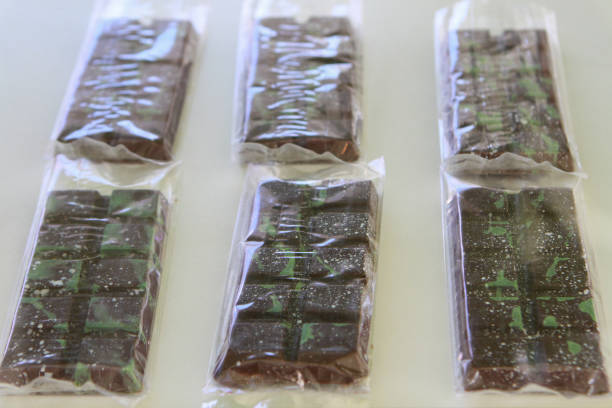
The Recall That Shook a Trusted Brand
A Voluntary Move Triggered by Supply Chain Concerns
The Ghirardelli Chocolate Company, a nearly 175-year-old brand known for its premium chocolate offerings, announced a voluntary recall of 13 powdered beverage products due to potential Salmonella contamination. The recall was initiated after California Dairies, Inc.—a third-party supplier—flagged concerns over contaminated milk powder used as an ingredient in these mixes.


The affected products primarily included bulk powdered beverage mixes such as chocolate frappes, white mocha blends, and hot cocoa pouches. While these items were largely intended for food service and institutional customers, the company acknowledged that some products may have reached consumers via e-commerce platforms.
Importantly, no illnesses had been reported at the time of the recall, and none of the finished products tested positive for contamination. The decision, according to the company, was made “out of an abundance of caution.”


Understanding the Health Risk
What Is Salmonella and Why It Matters
Salmonella is a bacterial organism that can cause serious infections, particularly in vulnerable populations such as young children, the elderly, and individuals with weakened immune systems. Symptoms typically include fever, diarrhea, nausea, vomiting, and abdominal pain.
In more severe cases, the infection can spread to the bloodstream, potentially leading to life-threatening conditions such as arterial infections, endocarditis, or arthritis.
For healthy individuals, symptoms may resolve without medical intervention, but the risks associated with widespread contamination necessitate swift action—especially in products consumed at scale.
A Complex Web: Chocolate Production and Supply Chains
Why Ingredient Sourcing Matters
Chocolate production is far more intricate than its simple appearance suggests. While cocoa beans are the primary ingredient, modern chocolate products often include milk powder, sugar, flavorings, and stabilizers. These components are frequently sourced from multiple suppliers across different regions.


The recent recall highlights a critical point: contamination does not always originate in the final product. Instead, it can occur at any stage in the supply chain—from raw material processing to transportation and storage.
In this case, the issue was traced back to milk powder supplied by a third party. This underscores the reliance of even well-established brands on external vendors, making rigorous supplier verification and quality assurance essential.
Industry Impact: Beyond One Brand
Ripple Effects Across Food Service and Retail
Although the recall was limited to specific products, its implications extend across the broader chocolate and beverage industries. Bulk powdered mixes are widely used in restaurants, cafés, and institutional settings, meaning disruptions can affect multiple downstream businesses.
Additionally, the incident reflects a growing trend of precautionary recalls. Companies are increasingly opting for early intervention—even in the absence of confirmed contamination—to maintain consumer trust and comply with regulatory expectations.
Such actions, while costly in the short term, are often seen as necessary investments in brand integrity and public safety.
Consumer Guidance: What to Do
Steps to Protect Yourself
The recall also serves as a reminder of the importance of consumer awareness. Authorities and the company have issued clear guidance:
- Do not consume any recalled powdered beverage mixes
- Check product labels, lot numbers, and expiration dates carefully
- Monitor for symptoms if consumption has already occurred
- Seek medical advice if symptoms of Salmonella infection appear
- Contact the manufacturer for further information or assistance
These steps are particularly crucial for individuals in high-risk categories.
Chocolate’s Enduring Appeal Amid Challenges
Despite the recall, chocolate remains one of the most resilient and beloved products in the global food market. Its versatility—from high-cocoa dark bars rich in antioxidants to indulgent milk-based beverages—ensures its continued relevance across cultures and demographics.
Experts often point to darker chocolate varieties, particularly those with 70% cocoa content or higher, as offering additional nutritional benefits, including antioxidants and reduced sugar levels.
However, the incident underscores that even premium products are not immune to supply chain risks.
Looking Ahead: Strengthening Trust in the Chocolate Industry
The Ghirardelli recall is unlikely to diminish global demand for chocolate, but it does signal a broader shift in how the industry approaches safety and transparency.
Key trends likely to shape the future include:
- Enhanced supplier audits and traceability systems
- Stricter regulatory oversight on ingredient sourcing
- Increased consumer demand for transparency
- Investment in contamination detection technologies
For manufacturers, the challenge lies in balancing scale with quality control. For consumers, the episode serves as a reminder to remain vigilant—even with trusted brands.
Conclusion: A Sweet Industry with Serious Responsibilities
Chocolate’s journey from cocoa bean to finished product is a testament to both craftsmanship and industrial complexity. While the recent recall has cast a spotlight on potential vulnerabilities, it also demonstrates the industry’s capacity for rapid response and accountability.
Ultimately, the story of chocolate is not just about flavor and indulgence—it is also about trust. And in an increasingly interconnected food system, maintaining that trust requires constant vigilance at every stage of production.