

UAE Leaving OPEC: A Strategic Break That Reshapes the Oil Landscape
A Turning Point for Global Energy Politics
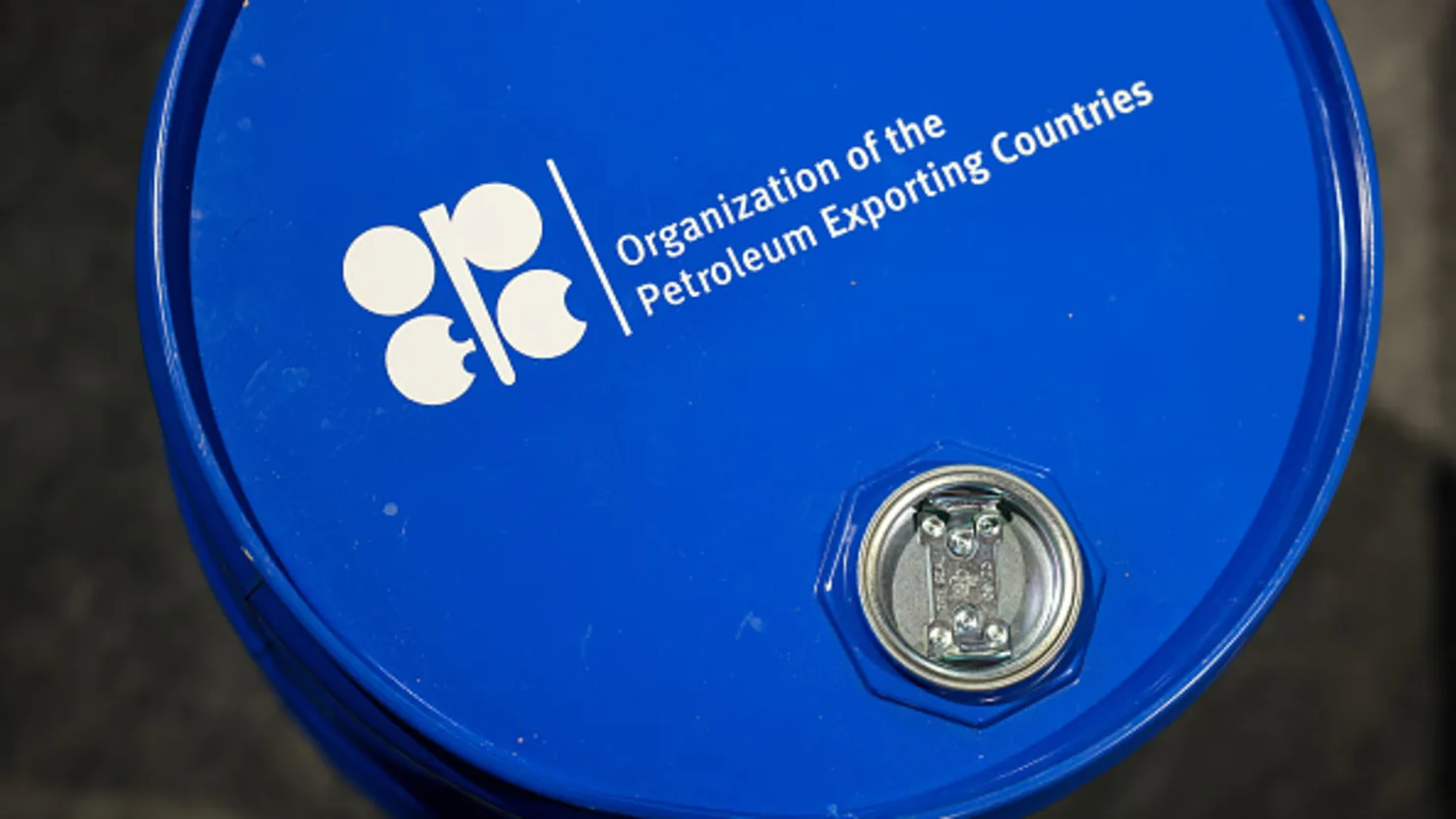
The United Arab Emirates’ decision to leave the Organization of the Petroleum Exporting Countries (OPEC) marks one of the most significant shifts in global energy governance in recent years. Effective May 1, the move removes OPEC’s third-largest producer from its ranks—an exit that not only weakens the cartel’s structural cohesion but also raises critical questions about the future of oil market coordination.
While the announcement has triggered intense debate across financial and political circles, analysts suggest the immediate market impact may be limited. Yet beneath the surface, the decision reflects deeper structural changes within the global energy system, as well as evolving geopolitical tensions in the Middle East.
Why the UAE Is Leaving OPEC
Frustration with Production Limits
At the core of the UAE’s departure lies a long-standing frustration with OPEC’s production quotas. The country has invested heavily in expanding its oil production capacity and has increasingly resisted restrictions that limit its ability to capitalize on that investment.
“Having invested heavily in expanding energy production capacity in recent years, the bigger picture is that the UAE has been itching to pump more oil,” analysts noted, highlighting the strategic motivation behind the move.
Before the recent conflict in the region, the UAE was producing around 3.4 million barrels of crude per day, with the potential to reach 5 million barrels per day—a target it now aims to achieve more freely outside OPEC constraints.
Energy Minister Suhail Al Mazrouei emphasized that the country seeks “more freedom to hit their goal of 5 million barrels per day of capacity by 2027.”
A Strategic Shift in Energy Policy
In its official statement, the UAE framed the decision as part of a broader long-term strategy:
“This decision reflects the UAE’s long-term strategic and economic vision and evolving energy profile, including accelerated investment in domestic energy production.”
The country also signaled that any increase in supply would be carefully managed:
It would bring “additional production to market in a gradual and measured manner, aligned with demand and market conditions.”
This suggests that the UAE is not seeking to destabilize markets, but rather to gain flexibility in responding to global demand dynamics.
The Geopolitical Undercurrents
Rising Tensions with Saudi Arabia
Although UAE officials have downplayed political tensions, the broader regional context tells a more complex story. Relations between the UAE and Saudi Arabia—OPEC’s dominant member—have grown increasingly strained in recent years.
The two nations have diverged on economic strategies and regional policies, particularly in areas like the Red Sea and Yemen. Their once-unified front began to fracture following disagreements over military operations and geopolitical priorities.
“This exit of OPEC fits into the UAE need for flexibility with key energy consumers as well — including a future relationship with China and a more competitive relationship with Saudi Arabia,” said Karen Young, a senior research scholar at Columbia University.
Despite this, UAE Energy Minister Suhail al-Mazrouei insisted:
“We’ve been working together for years and years. We have the highest respect for the Saudis for leading OPEC.”
A Changing Middle East Landscape
The decision also comes amid heightened geopolitical instability. The ongoing conflict involving Iran has disrupted global energy flows, particularly through the Strait of Hormuz, a critical chokepoint through which roughly one-fifth of global oil supply passes.
With the waterway effectively constrained, global oil prices have surged—Brent crude trading above $111 per barrel, more than 50% higher than prewar levels.
Some analysts believe the UAE timed its exit strategically, knowing that current supply disruptions would mask any immediate market impact.
Does This Change the Oil Market?
Short-Term Stability
Despite the dramatic headline, many experts argue that the UAE’s departure will not fundamentally alter oil market dynamics in the near term.
Energy analyst Helima Croft of RBC Capital Markets stated that the move “does not change energy market fundamentals,” reinforcing the view that broader supply-demand forces remain the primary drivers.
Indeed, global oil supply is already constrained by geopolitical disruptions, limiting the immediate influence of OPEC policy changes.
Long-Term Structural Impact
However, the longer-term implications could be more profound.
OPEC currently accounts for roughly 40% of global oil output, but its influence has been eroding due to rising production from non-OPEC countries, particularly the United States, which now produces more than 13 million barrels per day.
The UAE’s exit further weakens the cartel’s ability to manage supply:
“A structurally weaker OPEC, with less spare capacity concentrated within the group, will find it increasingly difficult to calibrate supply and stabilize prices,” said Jorge Leon of Rystad Energy.
A Pattern of Departures
The UAE is not the first country to walk away from OPEC. In recent years, several members have exited the group:
- Qatar left in 2019
- Angola exited in 2024
- Ecuador also withdrew earlier
These departures reflect a broader trend of dissatisfaction with quota systems and shifting national priorities.
As one industry expert warned:
“If countries that are abiding by their quota get disgusted with those that don’t, we could see additional exits that could eventually make OPEC irrelevant as a cartel.”
What Happens Next?
More Flexibility for the UAE
Outside OPEC, the UAE gains full autonomy over its production decisions. This could allow it to:
- Increase output more rapidly
- Strengthen ties with major energy consumers like China
- Compete more directly with Saudi Arabia
The country’s ability to scale production toward 5 million barrels per day positions it as a more aggressive player in global energy markets.
Potential Domino Effect
There is growing speculation that other countries may follow suit. Some analysts have pointed to Kazakhstan and other producers as potential candidates for future exits, especially if internal disagreements persist.
Energy Transition vs. Energy Expansion
Interestingly, the UAE’s move comes despite its visible role in global climate initiatives, including hosting the COP28 climate conference in 2023, where nearly 200 countries pledged to move away from fossil fuels.
Yet, the country continues to expand oil production capacity—highlighting a broader paradox in global energy policy.
As U.S. Interior Secretary Doug Burgum put it:
“Today’s the day to announce that there is no energy transition. There is only energy addition.”
Conclusion: A Strategic Exit With Global Consequences
The UAE’s departure from OPEC is more than a symbolic break—it is a calculated move that reflects shifting priorities in a rapidly evolving energy landscape. While the immediate impact on oil markets may be muted, the long-term implications could reshape how global oil supply is managed.
For OPEC, the loss of a major producer with significant spare capacity represents a weakening of its traditional influence. For the UAE, it signals a new era of independence, flexibility, and strategic ambition.
As geopolitical tensions persist and energy demand continues to grow, this decision may prove to be a pivotal moment—one that accelerates the transformation of the global oil order.


