

When Nature Turns Violent: Understanding the Rising Threat of Severe Weather
A Global Pattern of Intensifying Storms
From the plains of the United States to the provinces of South Africa, severe weather is increasingly shaping daily life, disrupting economies, and testing emergency response systems. Recent events across continents reveal a shared reality: extreme weather is no longer an occasional anomaly but a recurring and intensifying force.
In late April 2026, a series of severe weather events underscored this trend. While parts of South Africa braced for heavy rainfall, damaging winds, and freezing temperatures, the United States grappled with a widespread outbreak of tornadoes, hailstorms, and destructive winds. Together, these events highlight both the diversity and the growing severity of weather extremes worldwide.
Southern Africa Braces for a Dangerous Weather System
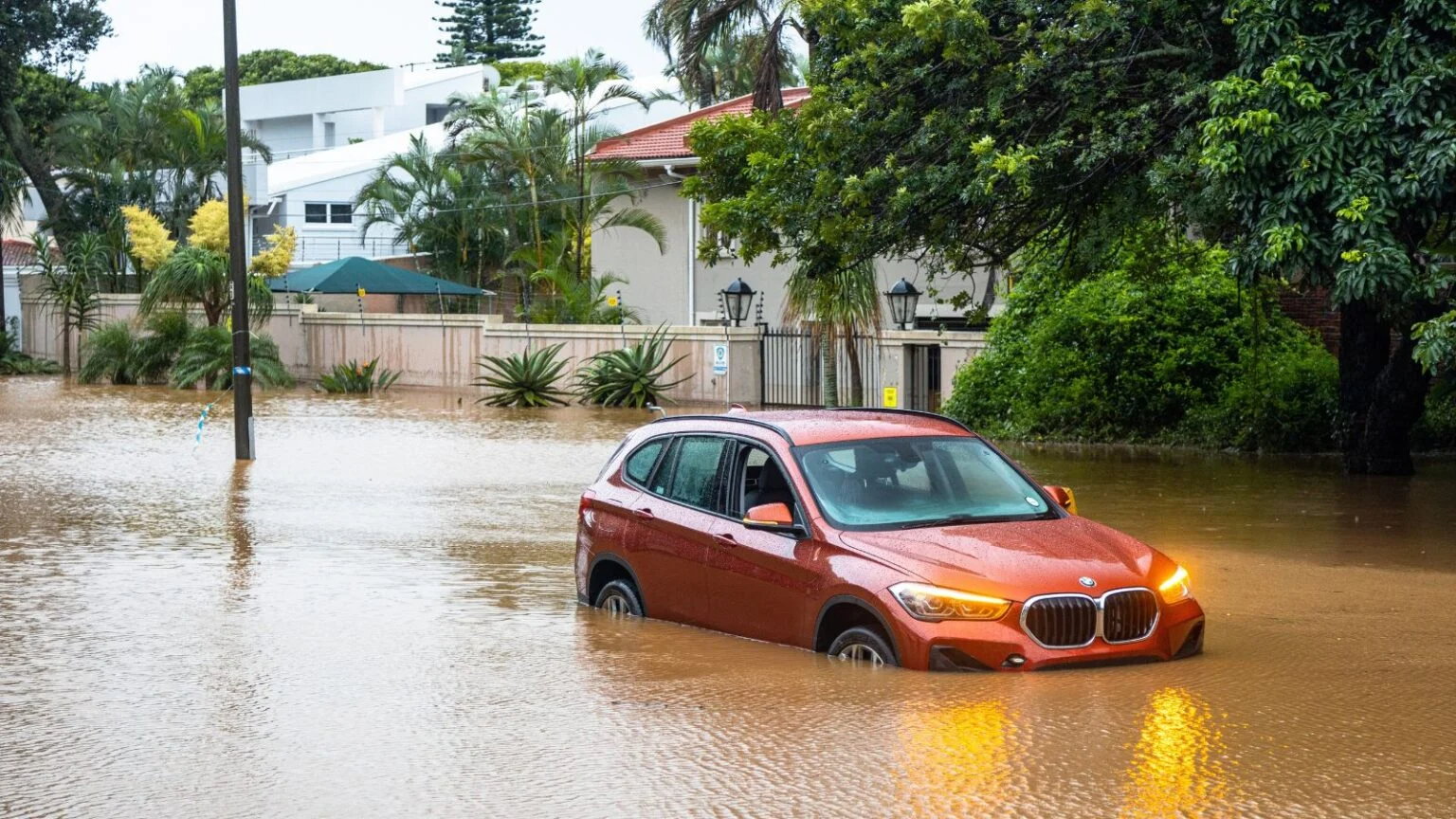
In South Africa, meteorological authorities issued urgent warnings as a powerful system began sweeping across several provinces. The South African Weather Service (SAWS) warned of severe storms affecting the North West, Northern Cape, Eastern Cape, and Free State.
At the core of this weather disruption is a phenomenon known as a cut-off low, a slow-moving upper-air system capable of producing prolonged and intense rainfall. According to SAWS, this system is expected to bring 40–90 mm of rainfall, a volume significant enough to trigger flooding and widespread disruption.
Authorities escalated alerts to Level 6 and Level 4 warnings, signaling potentially dangerous conditions. Areas under Level 6—particularly parts of the Free State, North West, and Northern Cape—are expected to experience the most severe impacts.
Tokelo Chiloane from the Weather Service emphasized the seriousness of the situation, noting that recent rainfall has already saturated the ground, increasing the risk of flooding. Residents were warned to prepare for:
- Localised flooding
- Damaging winds
- Travel disruptions and road accidents
- Potential loss of infrastructure and property
The expected rainfall—up to 90 millimetres within 24 hours—is considered substantial, especially for already vulnerable regions.
A Six-Day Storm Siege Across the United States
While South Africa prepared for heavy rain and cold conditions, the United States faced a different but equally destructive manifestation of severe weather.
Between April 23 and April 28, 2026, a massive outbreak of storms swept across the Plains, Midwest, and Southern regions. During this six-day period, the National Weather Service recorded over 1,200 reports of severe thunderstorms, including:
- More than 500 reports of damaging winds
- Over 500 reports of large hail
- At least 80 tornadoes
Among the most devastating incidents was an EF4 tornado near Enid, Oklahoma, with peak winds reaching 170 mph. The storm tore through neighborhoods and damaged infrastructure, including parts of Vance Air Force Base, injuring ten people.
Other notable events included:
- An EF2 tornado in Texas that claimed one life
- Multiple tornadoes in Kansas and Missouri causing structural damage
- Widespread hailstorms producing grapefruit-sized hailstones
- Flash flooding in Kansas City requiring emergency water rescues
This outbreak demonstrated the full spectrum of severe weather hazards—from violent tornadoes to destructive hail and flooding rains.
Communities Left to Recover
In the aftermath of these storms, communities across the U.S. Midwest began recovery efforts. In states like Illinois, Wisconsin, and Minnesota, entire neighborhoods were left damaged or destroyed.
In one Wisconsin town, 75 homes were destroyed, while thousands of residents experienced power outages. Emergency shelters were established, and organizations such as the American Red Cross stepped in to provide food, shelter, and support.
Despite the scale of destruction, officials reported no fatalities in several affected areas, a testament to effective warning systems and emergency preparedness.
The Hidden Risks of Cold and Wet Conditions
Severe weather is not limited to immediate storm damage. In South Africa, experts warn that prolonged cold and wet conditions can create secondary risks that are often overlooked.
Marius Kemp, Head of Personal Underwriting at Santam, highlighted several concerns:
- Burst water pipes due to freezing temperatures
- Increased likelihood of geyser failures
- Elevated risk of electrical fires from heaters and electric blankets
He emphasized the importance of preventative maintenance, such as clearing gutters and checking roofs for leaks, to reduce damage during heavy rainfall.
These risks demonstrate how severe weather can extend beyond the storm itself, affecting homes, infrastructure, and daily life long after the skies clear.
Why Severe Weather Is Becoming More Disruptive
Meteorologists point to several contributing factors behind the increasing frequency and intensity of severe weather events:
1. Atmospheric Instability
Systems like cut-off lows and powerful cold fronts create unstable conditions that fuel prolonged storms.
2. Moisture-Rich Environments
Warmer air holds more moisture, leading to heavier rainfall and more intense thunderstorms.
3. Seasonal Transitions
Periods like autumn—when South Africa is currently situated meteorologically—often produce volatile weather as air masses shift.
4. Geographic Exposure
Regions such as the U.S. Plains are particularly vulnerable to tornado formation due to the collision of warm and cold air masses.
While the exact drivers may vary, the outcome is consistent: more frequent and more severe weather events.
Preparedness: A Critical Line of Defense
Authorities across both regions have stressed the importance of preparedness. Key safety recommendations include:
- Avoiding flooded roads and low-lying areas
- Reducing driving speed during heavy rain
- Staying away from trees and tall objects during storms
- Ensuring emergency supplies and safety equipment are readily available
These measures can significantly reduce injury and damage, especially when storms strike unexpectedly.
Looking Ahead: A Future Shaped by Extreme Weather
The events of April 2026 offer a clear signal of what lies ahead. Severe weather is no longer confined to isolated incidents; it is becoming a defining feature of the global climate landscape.
As forecasting technology improves and early warning systems become more sophisticated, communities are better equipped to respond. However, the scale and intensity of recent events suggest that adaptation will be just as important as prediction.
Governments, businesses, and households alike must invest in resilience—from infrastructure upgrades to emergency planning—to withstand the growing threat.
Conclusion
Severe weather is evolving into one of the most significant challenges of the modern era. From torrential rains in South Africa to destructive tornadoes in the United States, the recent wave of storms highlights both the power of nature and the vulnerability of human systems.
While the impacts are often immediate and dramatic, the long-term consequences—economic disruption, infrastructure damage, and societal strain—are equally profound. Understanding these events, preparing for them, and adapting to their increasing frequency will be essential in navigating an uncertain climatic future.


