

Chery’s Global Ambition: From Rapid Growth to Next-Generation Vehicles
A New Phase for a Fast-Rising Automotive Powerhouse
Chery, one of China’s most prominent automotive manufacturers, is entering a decisive new chapter. With record-breaking sales, bold global expansion plans, and a pipeline of technologically advanced vehicles, the company is positioning itself as a serious contender alongside established giants like Toyota and Tesla.
Recent developments highlight a brand moving with unusual speed—launching new models, forming international partnerships, and redefining what modern vehicles can offer. From hybrid bakkies designed for emerging markets to cutting-edge electric SUVs, Chery’s strategy reflects both scale and innovation.
Strong Sales Momentum Driving Global Expansion
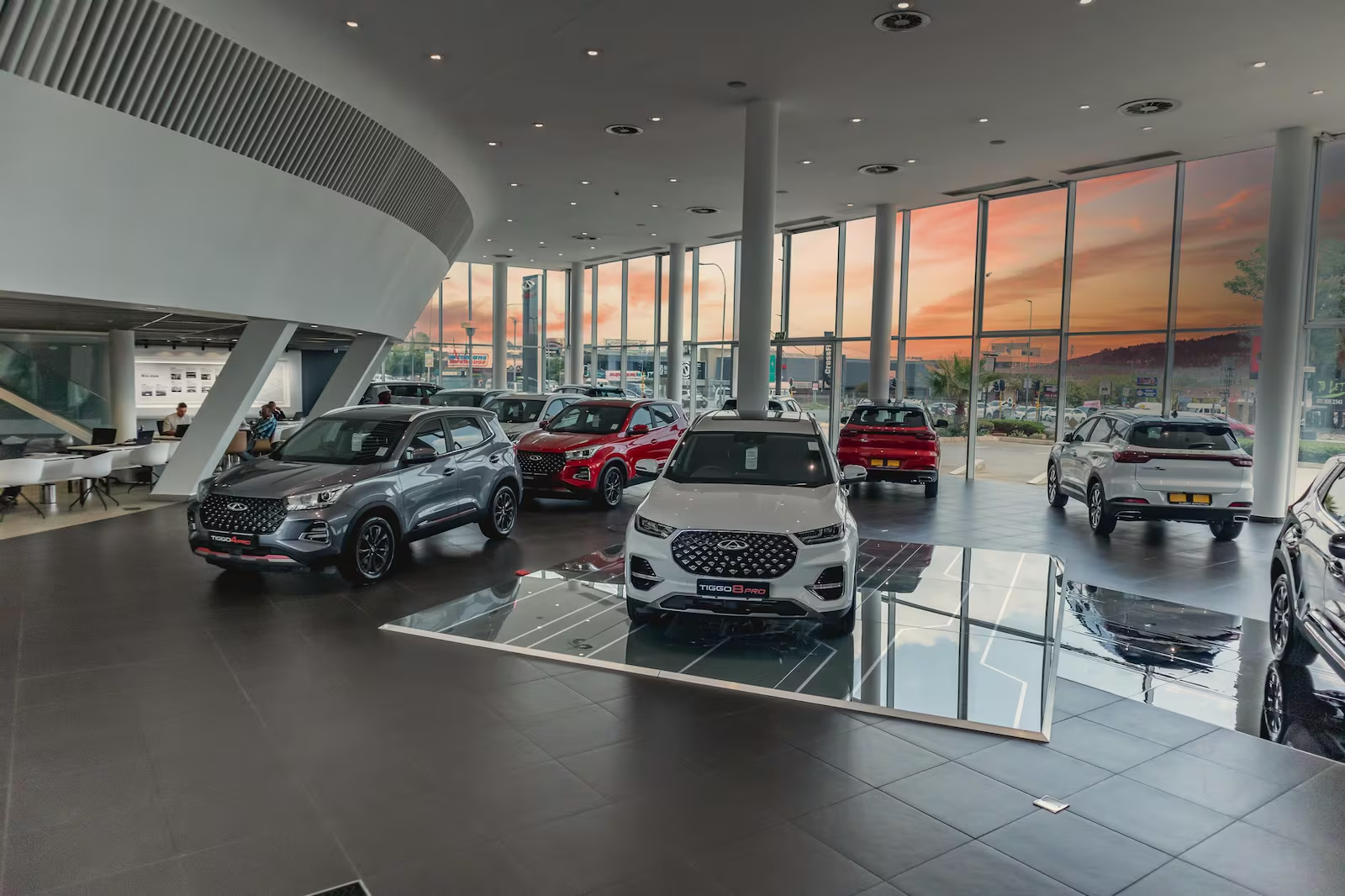
Chery’s recent performance underscores its rising influence in the global automotive market. The company sold 2.8 million cars in 2025, marking an increase of nearly 8% compared to 2024. This growth is not just a reflection of domestic demand but also of its expanding international footprint.
Leadership within the company has made it clear that this momentum is only the beginning. Chairman Yin Tongyue has emphasized plans to scale production capacity, including expanding operations in Barcelona and exploring additional manufacturing bases in Europe. These moves are designed to support exports and strengthen Chery’s presence in global markets.
The strategy mirrors that of industry leaders who have successfully combined local production with global distribution networks.
Accelerating Innovation Through Partnerships
A key component of Chery’s evolution lies in its collaborative approach. One of the most notable examples is its joint venture with Jaguar Land Rover (JLR), which has given rise to a new brand: Freelander.
The partnership blends British automotive design heritage with Chinese technological expertise. The result is the Freelander 8, a large, electrified SUV that showcases how quickly Chery can bring concepts to market.
The vehicle moved from concept to production in a matter of weeks, demonstrating what industry observers often describe as “China speed” in automotive development.
The Freelander 8: A Technology Showcase
The Freelander 8 is more than just a new model—it represents Chery’s technological direction. Key features include:
- An 800-volt architecture supporting electric, plug-in hybrid, and extended-range powertrains
- Advanced driver assistance powered by Huawei’s Qiankun ADS 5.0 system
- A 896-channel LiDAR sensor for terrain recognition and autonomous capabilities
- A high-performance computing platform using Qualcomm’s Snapdragon 8397 chip
- Battery technology developed with CATL, offering up to 350 kW charging capability
The SUV also incorporates intelligent all-terrain systems, air suspension, and adaptive driving modes, positioning it as a premium product in the rapidly growing electrified SUV segment.
Expanding Product Portfolio Across Segments
Beyond partnerships, Chery continues to develop its own lineup aggressively. The company is targeting multiple vehicle segments, from compact urban EVs to rugged utility vehicles.
The KP31 Bakkie: A Strategic Move for Emerging Markets
One of the most anticipated upcoming models is the KP31 double-cab bakkie, which Chery is “pushing hard” to launch in South Africa in 2026.
This vehicle reflects Chery’s understanding of regional demand, particularly in markets where pickup trucks dominate both commercial and lifestyle use.
Key highlights of the KP31 include:
- Built on the Kaitan body-on-frame chassis
- Measuring 5,450 mm in length and 1,920 mm in width, placing it in the same class as established rivals
- A “world-first” plug-in hybrid diesel (PHEV) powertrain
- Combined output of approximately 260 kW and 680 N·m
The introduction of a hybrid diesel system signals Chery’s willingness to experiment with unconventional solutions that balance performance, efficiency, and practicality.
A Broader Ecosystem of New Models
The KP31 is just one part of a broader rollout. Chery plans to introduce several additional vehicles in key markets:
- The Q all-electric city car, targeting urban mobility
- The Tiggo V, a seven-seater SUV capable of transforming into a bakkie
- Multiple electrified SUVs under the Freelander brand, with a roadmap of six models over five years
This diversified approach allows Chery to address different consumer needs while maintaining a consistent focus on electrification and innovation.
Competing in a Crowded Global Market
Despite its rapid progress, Chery faces significant challenges. The global automotive landscape is highly competitive, particularly in the electric vehicle space.
The Freelander brand, for example, enters a market saturated with large electrified SUVs, where differentiation is critical. Even with advanced features like range-extender systems and high-speed charging, success will depend on pricing, brand perception, and after-sales support.
Similarly, the KP31 bakkie will compete against entrenched players such as Toyota’s Hilux, a dominant force in markets like South Africa.
The Strategic Vision: Building a “World Car”
Chery’s long-term ambition is clear: to create vehicles designed for global appeal rather than adapting domestic models for export.
As stated by Freelander CEO Wen Fei, the company is focused on building “a world car, for the world, from the very beginning.”
This philosophy reflects a shift in Chinese automotive strategy—from cost-driven exports to innovation-led global competitiveness.
What Lies Ahead for Chery?
Looking forward, several trends are likely to shape Chery’s trajectory:
- Continued electrification, with a strong emphasis on hybrid and range-extender technologies
- Global manufacturing expansion, particularly in Europe
- Rapid product development cycles, enabling faster market response
- Technology integration, leveraging partnerships with leading tech firms
If executed successfully, these strategies could elevate Chery from a fast-growing manufacturer to a major global automotive force.
Conclusion: A Brand on the Rise
Chery’s transformation is both rapid and strategic. By combining strong sales growth, global expansion, and cutting-edge vehicle development, the company is redefining its role in the automotive industry.
From the technologically advanced Freelander 8 to the innovative KP31 bakkie, Chery is demonstrating a willingness to challenge conventions and compete at the highest level.
The coming years will determine whether this momentum can translate into sustained global success—but for now, Chery is clearly a brand to watch.


