


Petrol Oil “Aaj Tak Live News”: Government Denies Price Hike Rumors Amid Global Crisis
Introduction: A Storm of Speculation Meets Official Clarification
As global oil markets face turbulence and geopolitical tensions escalate, a wave of speculation has swept across India regarding a potential surge in petrol and diesel prices. The phrase “पेट्रोल तेल aaj tak live news” has been trending as citizens search for real-time updates and clarity.
At the center of this narrative lies a firm response from the Indian government. Despite widespread reports predicting a steep increase—especially after ongoing assembly elections—the Ministry of Petroleum and Natural Gas has categorically dismissed these claims as “misleading” and “malicious.”
This article unpacks the situation, separating rumor from reality while exploring the broader economic and geopolitical forces shaping the fuel debate.
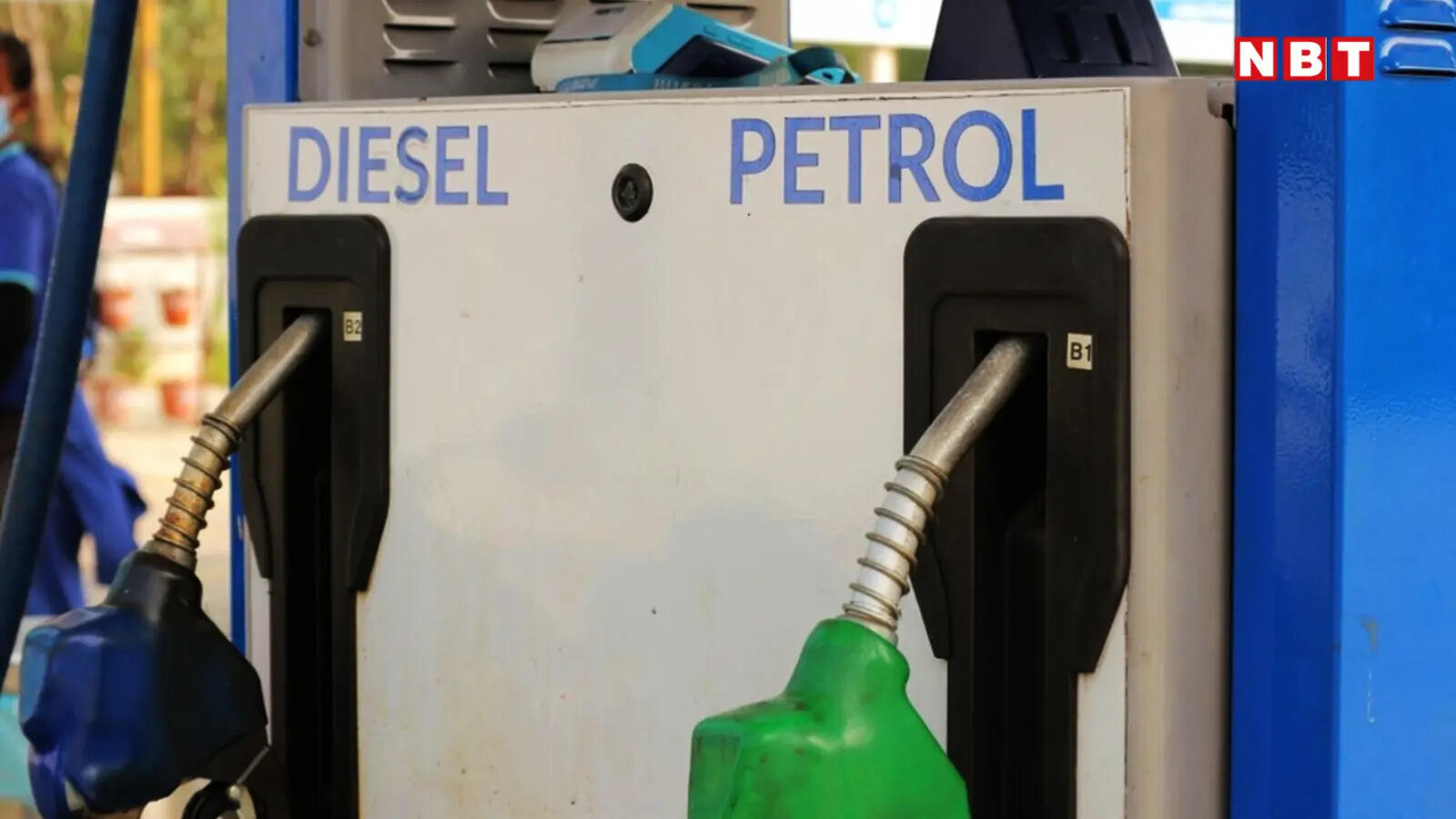
The Core Question: Will Petrol and Diesel Prices Rise?
The speculation originated from reports suggesting that fuel prices could increase by ₹25 to ₹30 per litre after state elections. However, the government has issued a clear and direct rebuttal.
According to the official statement:
“No such proposal is under consideration by the government. Such news is designed to create fear and panic among the public. It is mischievous and misleading.”
This clarification was also reinforced across major news platforms, including Aaj Tak, where authorities emphasized that reports linking fuel price hikes to election timelines are unfounded.
Why the Rumors Gained Momentum
1. Election Timing and Political Sensitivity
Fuel prices in India have historically been politically sensitive. With assembly elections underway in states like West Bengal and Tamil Nadu, speculation naturally intensified around possible post-election policy changes.
2. Brokerage Predictions
A report by Kotak Institutional Equities added fuel to the debate by estimating a potential price hike of ₹25–₹28 per litre.
3. Global Oil Crisis
The most significant driver behind the rumors is the ongoing global oil disruption caused by geopolitical tensions, particularly the Iran conflict.
The Global Context: Oil Markets Under Pressure
The current situation cannot be understood without examining international developments:
- The Strait of Hormuz, through which about 20% of global crude oil passes, has been severely impacted.
- More than 600 million barrels of oil supply have been disrupted due to the Iran conflict.
- Crude oil prices surged to nearly $120 per barrel last month, with Brent crude hovering above $100.
This combination has triggered fears of a worldwide energy crisis—arguably one of the largest in modern history.
India’s Position: Shielding Consumers from Global Shocks
Despite the volatile global environment, the Indian government has highlighted a key point:
“India is the only country where there has been no increase in petrol and diesel prices in the last four years.”
Measures Taken by the Government
- Reduction in excise duty by ₹10 per litre to offset global price pressures
- Strategic coordination between ministries to ensure fuel supply stability
- Efforts by public sector oil companies to absorb international cost fluctuations
These steps have been positioned as part of a broader strategy to protect consumers from sudden economic shocks.
Current Fuel Prices and Economic Impact
Even as global crude prices rise, domestic retail prices have remained stable:
- Petrol (Delhi): ₹94.77 per litre
- Diesel (Delhi): ₹87.67 per litre
However, this stability comes at a cost:
- India’s daily crude import bill has increased by $190–$210 million, despite a 13–15% drop in import volume.
This indicates that while consumers are shielded for now, the financial pressure on the system is mounting.
Government’s Warning: Beware of Misinformation
A critical aspect of the current situation is the spread of misinformation. Authorities have strongly cautioned against panic-driven reactions:
- Avoid bulk buying of petrol, diesel, or LPG
- Rely only on official sources for updates
- Do not fall for rumors tied to elections or geopolitical events
The government has framed the rumors as deliberate attempts to create fear and destabilize public sentiment.
Supply Assurance: No Shortage of Fuel
In parallel with price concerns, the government has reassured citizens about supply:
- Adequate reserves of petrol, diesel, LPG, PNG, and CNG
- 100% supply assurance for domestic consumption
- Over 20.08 lakh small LPG cylinders sold since March 2026
- Rapid expansion of PNG connections and CNG infrastructure
This suggests that India is not facing an immediate fuel shortage despite global disruptions.
Broader Implications: Economy, Politics, and Public Confidence
Economic Implications
If global crude prices remain high, maintaining stable domestic prices could strain government finances and oil companies.
Political Implications
Fuel pricing remains a politically sensitive issue, especially during election cycles, making misinformation particularly impactful.
Social Impact
Public panic can lead to artificial shortages and supply chain disruptions—even when actual supply is stable.
What Happens Next?
While the government has ruled out any immediate price hike, future developments will depend on:
- The trajectory of the Iran conflict
- Stability in global oil supply routes
- Brent crude price movements
- Domestic fiscal capacity to absorb shocks
In short, the situation remains fluid, but there is currently no confirmed plan to increase petrol or diesel prices.
Conclusion: Separating Noise from Reality
The surge in searches around “पेट्रोल तेल aaj tak live news” reflects a broader public concern driven by global uncertainty and viral reports. However, the official stance is unambiguous: there is no proposal to raise fuel prices at this time.
India’s approach—balancing economic pressures while protecting consumers—has so far maintained stability in a volatile global environment. Still, as geopolitical tensions evolve, the fuel debate is far from over.
For now, the message from authorities is clear: stay informed, avoid panic, and rely on verified information.


