


What Does “Facelift” Really Mean in the Auto Industry? A Complete Guide with Real-World Examples
Introduction: More Than Just a Cosmetic Update
The term “फेसलिफ्ट” (facelift) is increasingly common in the automotive world, especially as manufacturers strive to keep their vehicles competitive without launching entirely new models. But what exactly does a facelift involve? Is it just about changing the look, or does it go deeper?
In simple terms, a facelift is a mid-cycle update given to a car model to refresh its design, improve features, and sometimes enhance performance. It allows automakers to extend the lifecycle of a vehicle while aligning it with evolving customer expectations and technological trends.
With several upcoming facelift models—such as the Mahindra Thar facelift, Maruti Baleno facelift, Brezza facelift, and Honda Elevate facelift—this concept is more relevant than ever.
Understanding the Purpose of a Facelift
A facelift is typically introduced halfway through a car’s lifecycle. Instead of launching a completely new generation, manufacturers refine the existing model to keep it appealing in a competitive market.
Key Objectives:
- Refresh the exterior design
- Introduce modern features and technology
- Improve safety standards
- Enhance interior quality and comfort
- Occasionally improve engine efficiency or performance
Facelifts are particularly important in markets like India, where consumer expectations evolve rapidly and competition is intense.
What Changes in a Facelift Model?
1. Exterior Design Updates
One of the most noticeable aspects of a facelift is the visual transformation.
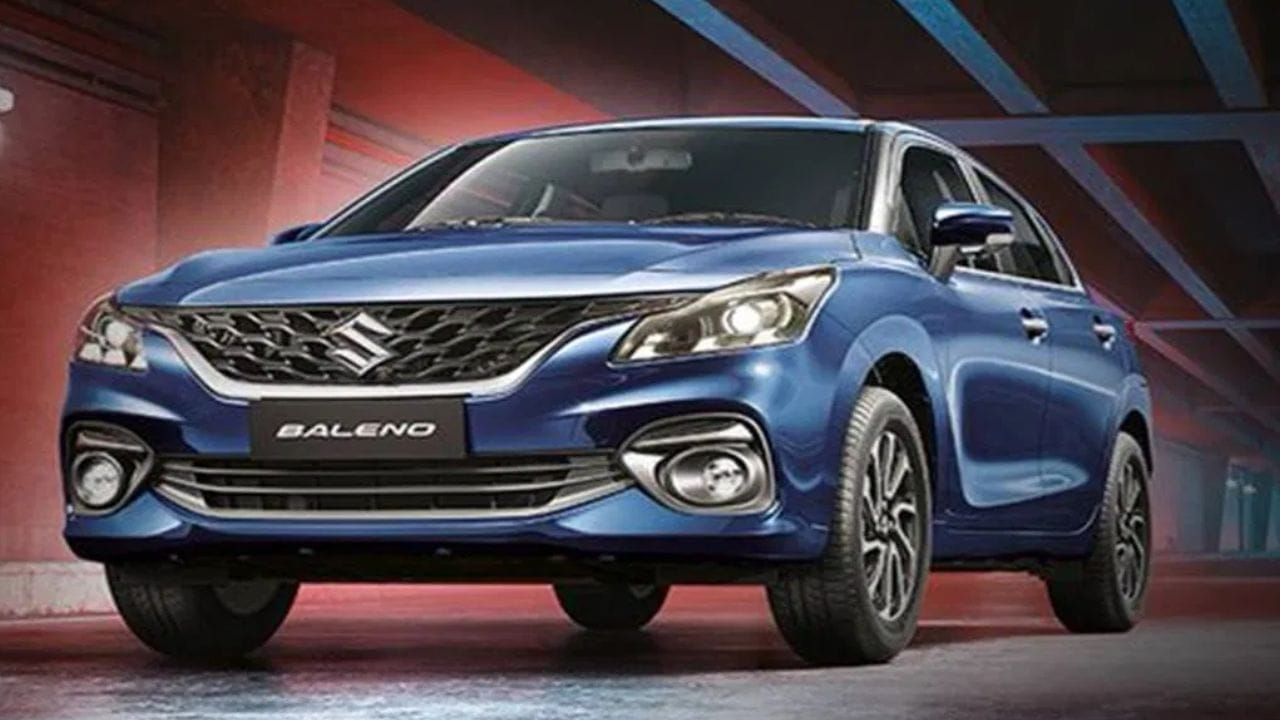
For instance, the upcoming Maruti Baleno facelift is expected to feature:
- A wider and sleeker front grille
- Updated headlamps and bumpers
- New alloy wheels for a refreshed side profile
Similarly, the Mahindra Thar facelift has already revealed a new front view image, hinting at design refinements that enhance its rugged appeal.
Even subtle tweaks—like revised LED tail lights or bumper redesigns—can significantly modernize a car’s appearance.
2. Interior and Feature Enhancements
Facelifts often bring improvements inside the cabin to match evolving user expectations.
Expected updates may include:
- Larger infotainment systems
- Improved connectivity features
- Enhanced material quality and upholstery
- New color schemes
For example, the Brezza facelift may upgrade from a 9-inch screen to a 10.1-inch touchscreen infotainment system, along with features like:
- 360-degree camera
- Heads-up display
These upgrades are designed to improve user experience and compete with newer rivals.
3. Technology and Safety Improvements
Modern facelift models increasingly focus on safety and technology.
Manufacturers often introduce:
- Advanced driver assistance systems (ADAS)
- Better camera systems
- Improved structural safety features
This aligns with rising consumer awareness and stricter safety regulations.
4. Powertrain and Efficiency Upgrades
While facelifts usually retain the same engine, some models introduce significant mechanical changes.
A notable example is the Baleno facelift, which may include:
- A new hybrid system for improved fuel efficiency
- Retention of the 1.2-liter petrol engine
- Continued availability of a CNG option
In contrast, the Brezza facelift could see:
- A shift from a 5-speed to a 6-speed manual gearbox
- Improved practicality with redesigned CNG tank placement
These changes demonstrate how facelifts can go beyond aesthetics and impact performance and efficiency.
Real-World Example: Honda Elevate Facelift
Another example is the Honda Elevate facelift, which is expected to launch soon with:
- Updates to both exterior and interior
- Potential changes in powertrain and pricing
- Broader product strategy including an electric version under development
This reflects how manufacturers use facelifts as part of a larger innovation roadmap.
Why Facelifts Matter in Today’s Market
1. Extending Product Lifespan
Developing a new car platform is expensive. Facelifts allow companies to maximize returns on existing models.
2. Staying Competitive
With frequent launches from rivals, updates are essential to maintain relevance.
3. Meeting Customer Expectations
Buyers now demand modern features, better design, and improved efficiency—even in older models.
4. Supporting Technological Transition
Facelifts often introduce hybrid or electrification technologies, preparing the market for future shifts.
Facelift vs. New Generation: What’s the Difference?
| Aspect | Facelift | New Generation |
|---|---|---|
| Platform | Same | Completely new |
| Design | Updated | Fully redesigned |
| Engine | Mostly unchanged | Often new |
| Cost | Lower | Higher |
| Timeline | Mid-cycle | After full lifecycle |
A facelift is essentially an evolution, while a new generation is a revolution.
Future Trends: Where Are Facelifts Heading?
The concept of facelifts is evolving rapidly. Future updates are likely to focus more on:
- Electrification (hybrid and EV integration)
- Software upgrades and connected features
- Autonomous driving capabilities
- Sustainability in materials and design
As seen with models like Baleno and upcoming EV-focused strategies, facelifts are becoming a bridge toward the next era of mobility.
Conclusion: A Strategic Upgrade, Not Just a Makeover
A “फेसलिफ्ट” in the automotive industry is far more than a cosmetic refresh. It is a strategic move that blends design evolution, technological advancement, and market positioning.
From the rugged Mahindra Thar facelift to the feature-rich Brezza and efficiency-focused Baleno updates, facelifts demonstrate how manufacturers adapt to changing consumer demands without starting from scratch.
For buyers, this means better features, improved design, and enhanced value—without the premium price tag of an all-new model.


