

AMD Stock Price Surge: Inside the Semiconductor Rally Powering Wall Street Optimism
A Historic Run Reshapes the AMD Narrative
Few stocks in the semiconductor sector have captured investor attention in 2026 quite like Advanced Micro Devices (AMD). The company’s stock has entered one of its most powerful rallies in decades, driven by a convergence of technological momentum, strategic partnerships, and broader industry tailwinds.
Recent market activity underscores the scale of this surge. AMD shares have climbed to an all-time high near $267–$268, marking a defining milestone in the company’s modern history. This performance reflects not only short-term enthusiasm but a deeper shift in how investors perceive AMD’s role in the rapidly evolving global technology ecosystem.
At the center of this rally is a simple but powerful thesis: AMD is no longer just a competitor in the chip market—it is becoming a central player in the infrastructure powering artificial intelligence and high-performance computing.
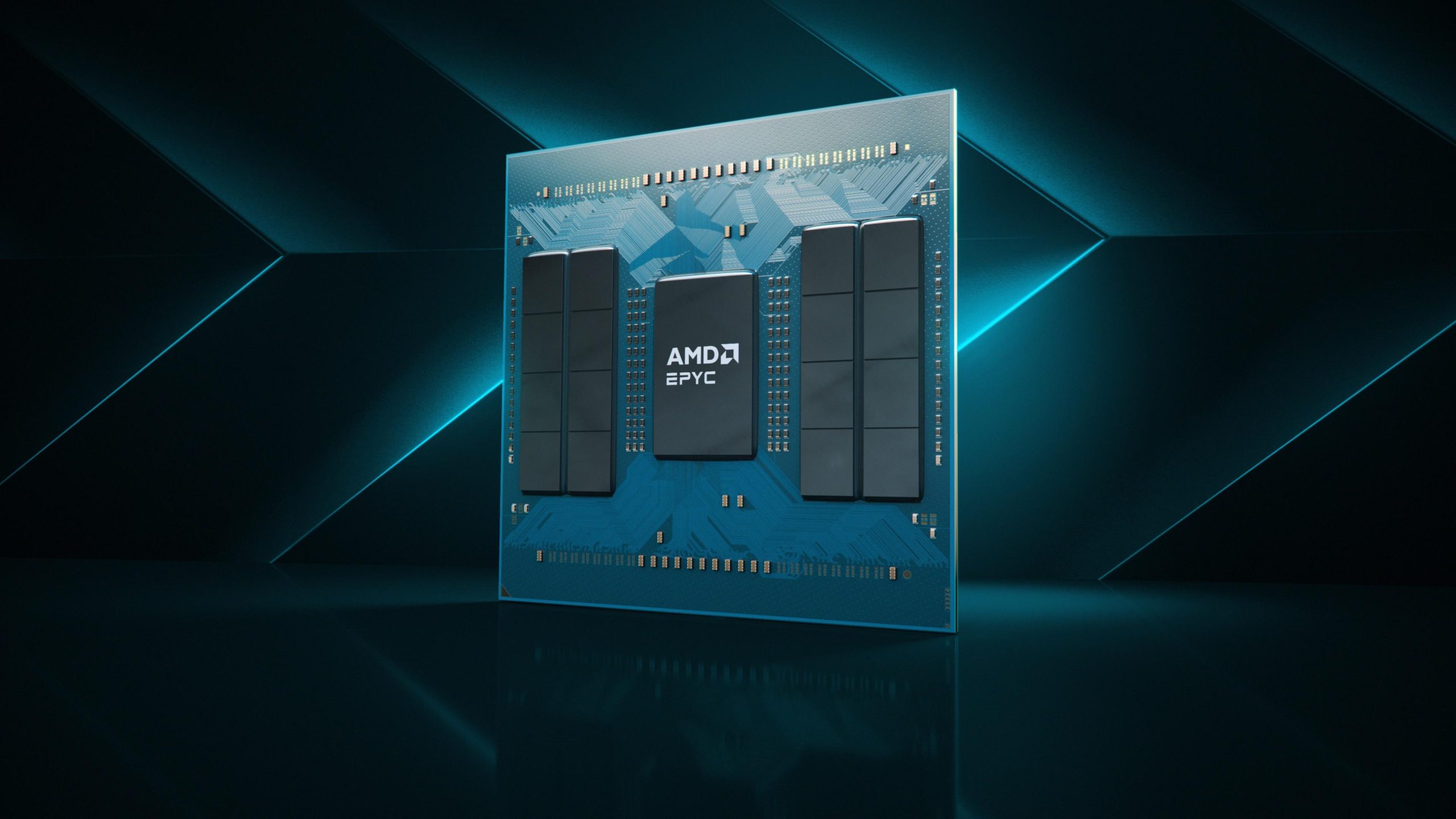
The Winning Streak: A Rare Market Phenomenon
One of the most striking features of AMD’s recent performance is the sustained upward momentum. The stock recorded an 11-day winning streak—its longest since 2005—during which shares surged by approximately 32%.
Over a broader horizon, the numbers are even more compelling:
- 192% gain over the past 12 months
- 21% increase year-to-date in 2026
- 31%+ rise within a single month
- Market capitalization reaching approximately $432.5 billion
Such sustained performance is rare in large-cap technology stocks and signals strong institutional participation. The consistency of the rally suggests that investors are not merely reacting to short-term news but are positioning for long-term structural growth.
What’s Driving AMD Stock Higher?
1. Data Center and AI Demand
The primary engine behind AMD’s rise is the explosive demand for computing power, particularly in artificial intelligence and cloud infrastructure.
AMD has guided for 32% year-over-year revenue growth in early 2026, supported by strong demand for:
- EPYC server processors
- Data center GPUs
- AI-focused computing solutions
Over the past 12 months, revenue has already expanded by 34%, reinforcing confidence that the company is effectively capturing growth in the AI economy.
This demand is not cyclical—it is structural. As enterprises, governments, and tech companies scale AI deployment, the need for high-performance chips continues to accelerate.
2. Strategic Partnerships and Market Positioning
Another major catalyst behind AMD’s stock surge is its growing list of strategic partnerships, particularly in the AI space.
A key development involves collaboration with Meta Platforms, which analysts view as a long-term revenue driver. This partnership has prompted upward revisions in revenue forecasts, including projections as high as $76.7 billion by 2027, significantly above prior expectations.
Analysts have responded accordingly:
- Price target raised to $265 by Bernstein
- Bullish target of $330 from Aletheia Capital
- Overall “Moderate Buy” consensus across Wall Street
These revisions reflect growing confidence that AMD can expand beyond traditional markets into AI infrastructure at scale.
3. Strength Across the Semiconductor Sector
AMD’s rally is also part of a broader industry upcycle. Strong earnings from companies like Taiwan Semiconductor Manufacturing Company (TSMC) have reinforced optimism about global chip demand.
The semiconductor sector is currently benefiting from:
- Increased AI investment
- Rising data center expansion
- Improved supply chain conditions
- Accelerating enterprise digitization
This macro backdrop provides a supportive environment for AMD and its peers, amplifying the impact of company-specific growth drivers.
Financial Performance and Market Valuation
While momentum remains strong, AMD’s valuation is increasingly under scrutiny.
Key financial indicators include:
- PEG ratio: 0.59, suggesting potential growth undervaluation
- “GREAT” financial health score from analytical models
- However, some models indicate the stock may be trading above fair value
This creates a nuanced investment case. On one hand, the company’s growth trajectory is robust; on the other, the rapid price appreciation raises questions about sustainability in the near term.
Analyst Expectations and Earnings Outlook
Looking ahead, market expectations for AMD remain elevated.
For the upcoming reporting periods:
- Q1 2026 revenue forecast: approximately $9.9 billion
- Expected earnings per share (EPS): $1.27
- Full-year 2026 revenue projection: around $45.8–$47 billion
- 2027 projections: as high as $76.7 billion in bullish scenarios
These forecasts highlight a critical inflection point. If AMD meets or exceeds expectations, it could justify current valuations. Any shortfall, however, could trigger volatility after such a strong run.
Risks and Potential Headwinds
Despite the overwhelmingly positive outlook, several risks remain:
1. Overvaluation Concerns
Rapid price appreciation has outpaced some fundamental metrics, increasing the risk of a short-term correction.
2. PC Market Weakness
Analysts have flagged potentially inflated expectations in AMD’s PC segment, which could weigh on near-term results.
3. Competitive Pressure
AMD operates in a highly competitive environment alongside major players like NVIDIA and Intel, both of which are also investing heavily in AI and data center technologies.
What This Means for the Broader Market
AMD’s stock surge is not occurring in isolation—it reflects a broader transformation in the global economy.
The rise of AI, cloud computing, and data-driven industries is reshaping capital allocation across markets. Semiconductor companies are now at the center of this shift, acting as foundational enablers of digital infrastructure.
AMD’s performance illustrates how quickly investor sentiment can change when a company successfully aligns with long-term technological trends.
Future Outlook: Can the Rally Continue?
The key question facing investors is whether AMD’s rally can sustain its momentum.
Several factors will determine the answer:
- Continued strength in AI and data center demand
- Execution on revenue and earnings forecasts
- Expansion of strategic partnerships
- Stability in global semiconductor supply chains
Analysts remain cautiously optimistic, with many expecting further upside, albeit at a more measured pace. The consensus target of approximately $285–$330 suggests room for growth, but likely with increased volatility.
Conclusion: A Defining Moment for AMD Stock
AMD’s recent stock performance marks a defining chapter in its evolution from a challenger brand to a central force in the semiconductor industry.
The combination of AI-driven demand, strong financial performance, and strategic positioning has propelled the company into a new tier of market relevance. While valuation concerns and competitive pressures remain, the broader trajectory points toward continued significance in shaping the future of computing.
For investors and market observers alike, AMD is no longer just a stock to watch—it is a proxy for the next phase of technological transformation.


