
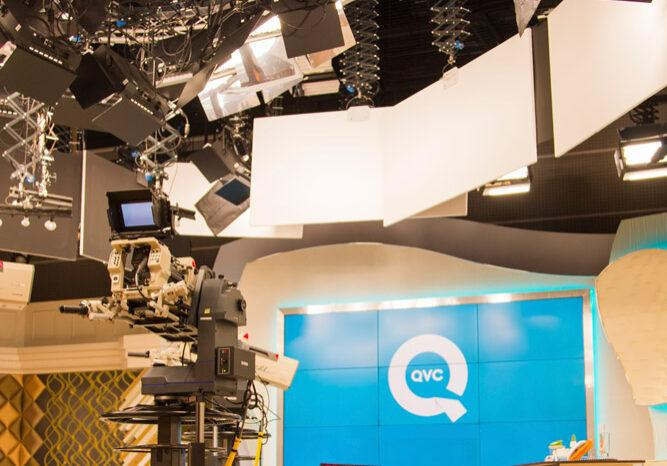
QVC Chapter 11: Inside the Collapse and Reinvention of a TV Retail Giant
A Turning Point for a Retail Icon
The announcement that QVC Group is preparing to file for Chapter 11 bankruptcy marks a defining moment for one of the most recognizable names in television retail. For decades, QVC shaped how millions of consumers shopped from their living rooms. Now, the company finds itself confronting a vastly different retail environment—one dominated by digital platforms, mobile commerce, and real-time social selling.
The company, which owns both QVC and HSN, is moving toward a court-supervised restructuring aimed at addressing a debt burden exceeding $5 billion while attempting to stabilize operations and reposition for the future.
This is not simply a financial event. It is a structural shift that reflects deeper changes in consumer behavior, media consumption, and the evolving nature of commerce.
From Industry Pioneer to Market Pressure
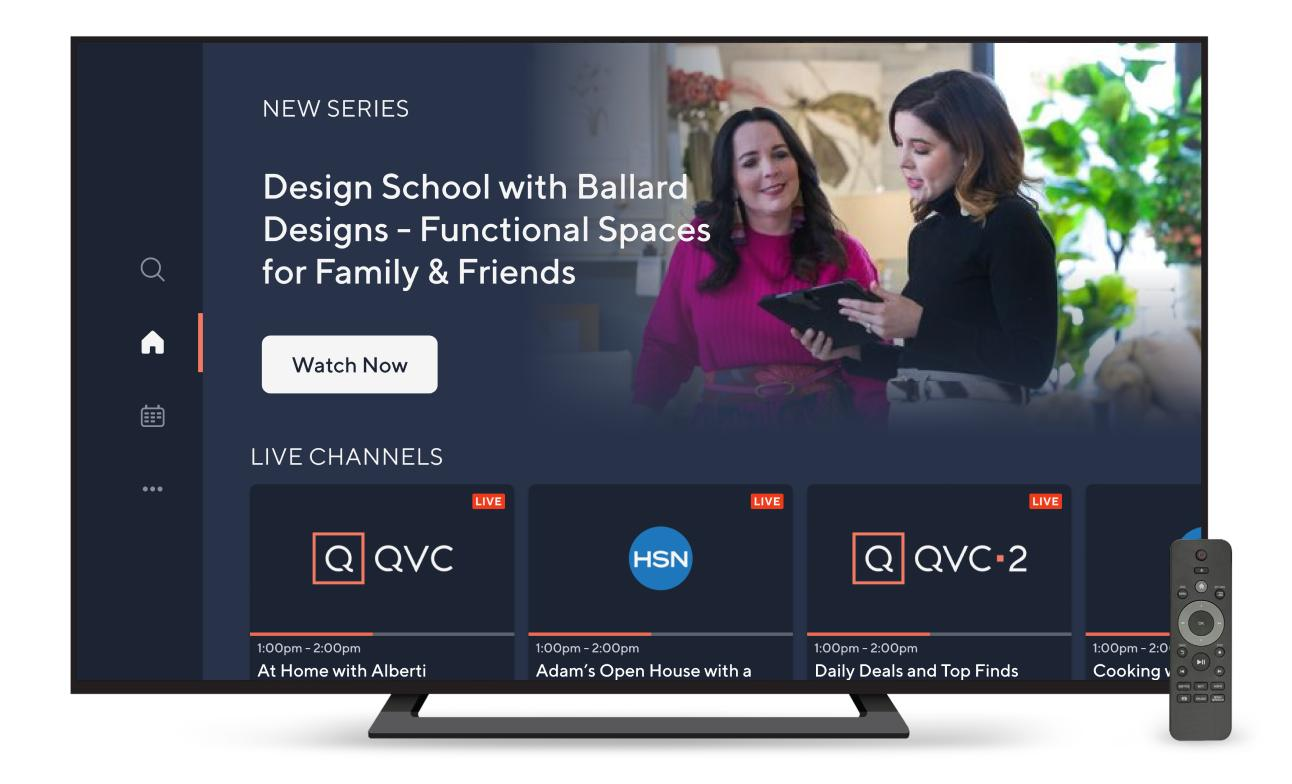
Founded in 1986 by Joseph Segel in Pennsylvania, QVC quickly became a pioneer in live television shopping. The model was simple yet powerful: charismatic hosts, real-time product demonstrations, and a direct call-to-action for viewers to purchase items instantly.
At its peak, QVC reached approximately 380 million households worldwide across 15 television networks. Its programming blended entertainment and retail in a way that defined an entire category.
HSN, originally launched in 1982, followed a similar trajectory. Eventually, the two rivals were brought under the same corporate umbrella, with HSN ending independent operations in 2025 and being consolidated into QVC’s broader structure.
However, the environment that once fueled this growth has shifted dramatically.
The Digital Disruption of TV Shopping
The most significant pressure on QVC’s business model comes from the rise of e-commerce and social commerce platforms.
Consumers who once watched scheduled programming to shop now engage with:
- Live-stream shopping on platforms such as TikTok
- One-click purchasing systems integrated into apps
- On-demand product discovery through influencers and creators
Instead of dialing into a call center, users can now complete transactions instantly within seconds.
This transition has steadily eroded QVC’s traditional audience base. Declining linear TV viewership has directly impacted sales performance and advertising reach, weakening the company’s core revenue streams.
At the same time, the company has faced external pressures, including tariffs and supply chain adjustments, further complicating its financial position.
The Debt Problem: More Than $5 Billion at Stake
At the center of QVC’s Chapter 11 filing is a substantial debt burden.
- Reported debt: over $5 billion
- Alternative estimates suggest liabilities as high as $6.6 billion
- Operating income dropped by 61% in Q3 2025
This combination of declining profitability and high leverage has created a liquidity challenge that the company can no longer address through traditional means.
In its regulatory filing, QVC Group made a critical admission:
“We cannot assure that cash on hand, cash flow from operations will be sufficient to continue to fund our operations and allow us to satisfy our obligations related to the Chapter 11 cases.”
This statement underscores the seriousness of the situation—not just a restructuring effort, but a fight to maintain operational continuity.
What Chapter 11 Means for QVC
Chapter 11 bankruptcy is not liquidation. It is a legal mechanism that allows companies to reorganize their financial obligations while continuing to operate.
What the process aims to achieve:
- Renegotiate debt with creditors
- Reduce financial liabilities
- Stabilize cash flow
- Preserve business operations
QVC plans to file in the U.S. Bankruptcy Court for the Southern District of Texas, a venue commonly used for complex corporate restructurings.
The company has already secured a restructuring support agreement with certain creditors, indicating that negotiations are well underway.
Timeline:
- Filing expected as early as April 15, 2026
- Target: emerge from Chapter 11 within approximately 90 days
This aggressive timeline suggests a pre-negotiated restructuring framework, designed to minimize disruption and accelerate recovery.
The Cost of Survival
While Chapter 11 offers a pathway forward, it comes with significant costs.
QVC has already warned of:
- “Significant professional fees” tied to legal and advisory services
- The potential for additional costs throughout the proceedings
- Ongoing uncertainty around operational funding
These expenses can place further strain on cash flow during a period when the company is already financially vulnerable.
Leadership and Strategic Response
Under CEO David Rawlinson, the company has acknowledged the structural challenges facing its business.
Key issues identified include:
- Declining television viewership
- Reduced consumer engagement with traditional retail formats
- Increased competition from digital-native platforms
The restructuring effort is therefore not just financial—it is strategic.
QVC must redefine its role in a retail landscape where content, commerce, and technology are deeply integrated.
A Broader Industry Signal
QVC’s bankruptcy filing reflects a larger trend across both retail and media industries.
Structural shifts include:
- Migration from linear TV to on-demand streaming
- Growth of direct-to-consumer digital ecosystems
- Rise of influencer-led commerce models
- Declining relevance of legacy broadcast formats
The challenges facing QVC are not unique. They represent a broader reordering of how consumers discover and purchase products.
For traditional TV shopping networks, the shift is particularly disruptive because their entire model is tied to scheduled programming and passive viewing habits—both of which are declining.
What Happens Next?
The outcome of QVC’s restructuring will depend on several critical factors:
1. Debt Negotiation Success
The ability to secure favorable terms with creditors will determine the company’s financial flexibility post-bankruptcy.
2. Digital Transformation
QVC must accelerate its transition toward digital platforms, including live-stream commerce and mobile-first shopping experiences.
3. Audience Retention
Maintaining a loyal customer base while attracting younger, digitally native consumers will be essential.
4. Operational Efficiency
Cost control and streamlined operations will play a key role in sustaining profitability.
The End of an Era—or a Reinvention?
QVC’s Chapter 11 filing has been described as the potential “end of an era.” That characterization is accurate in one sense: the dominance of traditional TV shopping is clearly fading.
But bankruptcy does not necessarily signal the end of the brand.
Instead, it may represent a transition point—an opportunity to rebuild a legacy business for a new generation of consumers.
The question is not whether QVC can survive the restructuring process. It is whether it can redefine itself in a market that has fundamentally changed.
Conclusion
QVC Group’s impending Chapter 11 filing is a high-stakes attempt to address mounting debt, declining viewership, and structural shifts in retail. With more than $5 billion in liabilities and a rapidly evolving marketplace, the company is entering a critical phase of transformation.
The planned 90-day restructuring window reflects urgency, but also a degree of preparation. With creditor agreements already in place, QVC is positioning itself for a swift reorganization.
What follows will determine whether the company remains a relevant force in modern commerce—or becomes a case study in how quickly industries can be disrupted.


