

Karl Urban: The Relentless Reinvention of a Modern Screen Icon
Introduction: A Career Defined by Transformation
Few actors in contemporary film and television have demonstrated the same level of adaptability and longevity as Karl Urban. From epic fantasy worlds to dystopian futures and satirical superhero universes, Urban has consistently redefined his on-screen identity.
In 2026, his return as Billy Butcher in The Boys Season 5 has reignited global attention, positioning him once again at the center of one of television’s most provocative franchises. The latest previews and interviews suggest not only a continuation of his defining role but also an escalation in narrative intensity and character stakes.
This article examines Urban’s evolving career through a narrative lens—tracing his early foundations, breakthrough roles, and current resurgence, while assessing what lies ahead.
From New Zealand Roots to Global Recognition
Urban’s career began in his home country of New Zealand, where he developed a foundation in television before transitioning into international projects. His early roles may not have carried global recognition, but they established a pattern that would define his trajectory: versatility across genres and a willingness to immerse fully in character-driven performances.
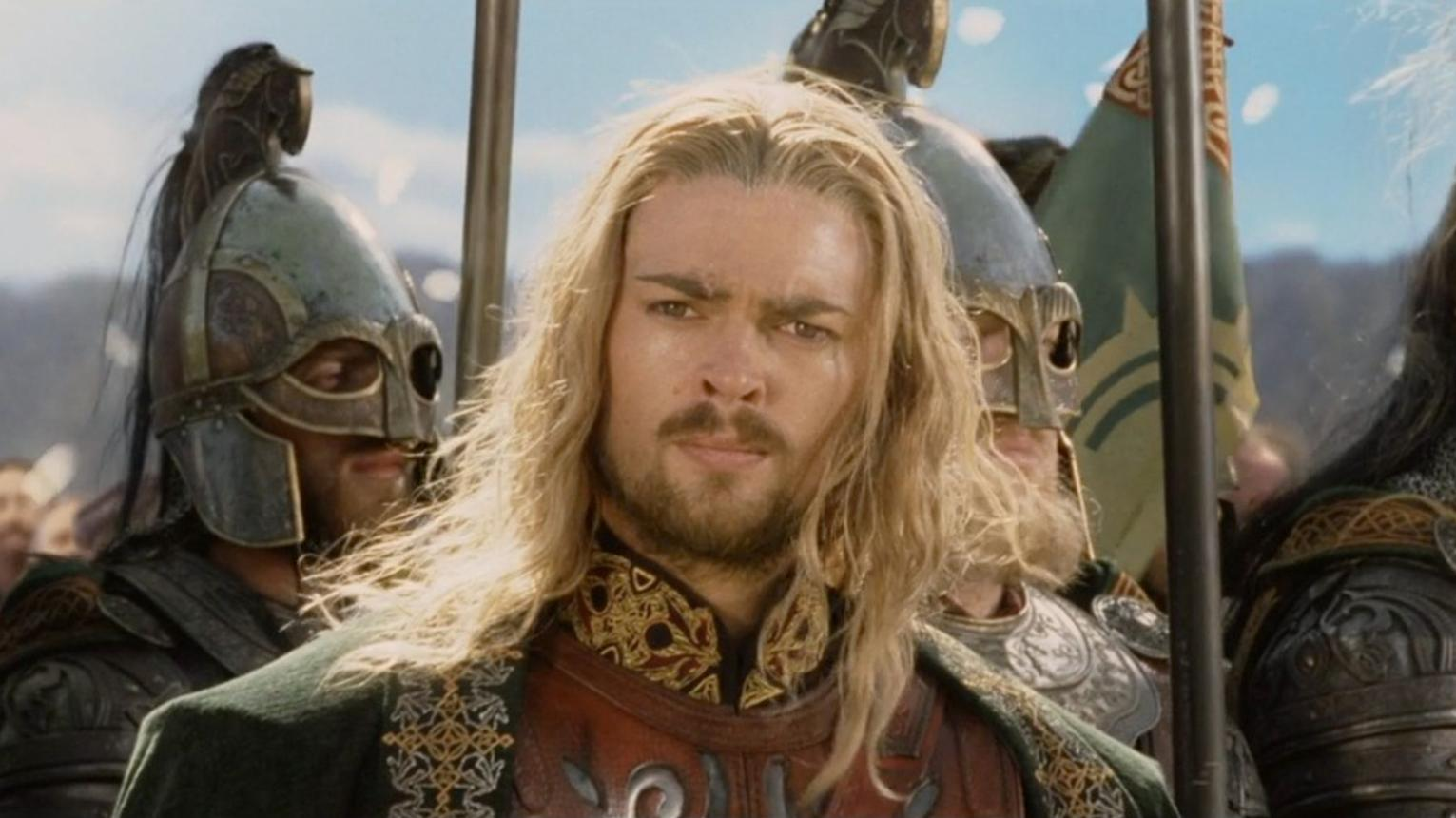
His breakthrough into global cinema came with his portrayal of Éomer in The Lord of the Rings. The role introduced him to a worldwide audience and demonstrated his ability to command presence within large ensemble casts.
Years later, Urban would reflect on those early days, even reacting publicly to archival images from the production—an indication of how foundational that period remains to his identity as an actor.
The Action Star Who Refused to Be Typecast
Urban’s filmography quickly expanded beyond fantasy. His role as Judge Dredd in Dredd became a cult favorite, despite its underperformance at the box office.
He later acknowledged that the film’s commercial failure stemmed largely from ineffective marketing rather than audience reception. This distinction has proven significant, as Dredd has since gained a dedicated fan base advocating for a sequel.
Simultaneously, Urban joined another major franchise, portraying Dr. Leonard “Bones” McCoy in Star Trek. The role required balancing homage to a legacy character while injecting a modern sensibility—an equilibrium Urban handled with precision.
These roles reinforced a pattern: Urban excels in high-concept environments but grounds them with human nuance.
Billy Butcher and the Defining Role of a Generation
Urban’s portrayal of Billy Butcher in The Boys represents a turning point in his career. The character—a morally ambiguous, intensely driven vigilante—allowed Urban to explore darker, more complex territory.
He debuted as Butcher in the series’ pilot episode, anchoring a narrative centered on dismantling the power structures of a corrupt superhero system.
Over multiple seasons, Butcher evolved from a revenge-driven antihero into a layered figure grappling with power, loyalty, and mortality. Urban’s performance became central to the show’s identity.
Season 5: Escalation, Stakes, and Shock Value
A More Brutal Chapter
The buildup to Season 5 has been marked by heightened anticipation. Promotional material, including trailers and behind-the-scenes glimpses, shows Urban returning in a blood-streaked portrayal of Butcher—visually reinforcing the escalating violence and stakes.
In one notable teaser, Urban appeared with a “mildly blood-splattered look” and captioned the moment: “Season 5…Lets go!”
Major Character Deaths
More significantly, Urban himself has hinted at major narrative developments. In a recent interview, he revealed:
“There are major characters that don’t even make it to the end credits of Episode 7, let alone before we even get into [the finale] … Watch out, just get ready.”
This statement underscores a defining characteristic of The Boys: its willingness to subvert expectations and eliminate key figures without warning.
Narrative Implications
The implications are substantial. As the series approaches its later stages, the removal of core characters suggests a tightening narrative arc and a shift toward irreversible consequences. For Urban’s Butcher, this likely means deeper psychological conflict and potentially a definitive resolution to his arc.
The Cultural Impact of Karl Urban’s Work
Urban’s career intersects with several major trends in modern entertainment:
1. The Rise of Antiheroes
Characters like Billy Butcher reflect a broader cultural shift toward morally complex protagonists. Urban’s portrayal aligns with audience demand for narratives that challenge traditional heroism.
2. Franchise Sustainability
From The Lord of the Rings to Star Trek and The Boys, Urban has maintained relevance across multiple franchise ecosystems. This demonstrates a rare ability to adapt to evolving audience expectations while retaining authenticity.
3. Cult Legacy vs. Commercial Success
Projects like Dredd highlight the growing importance of post-release audience engagement. Even without initial box office success, sustained fan interest can redefine a film’s legacy.
Beyond The Boys: What Comes Next?
Urban’s career shows no signs of stagnation. Discussions around potential projects—including interest in adaptations like Red Dead Redemption—indicate his continued alignment with high-profile, character-driven narratives.
At the same time, his existing roles continue to generate renewed attention, suggesting that his past work remains culturally relevant.
Conclusion: A Career Built on Endurance and Evolution
Karl Urban’s journey is not defined by a single role but by a pattern of reinvention. From medieval battlefields to futuristic dystopias and satirical superhero worlds, he has consistently adapted to the demands of each narrative space.
His return in The Boys Season 5 represents more than just another performance—it is the continuation of a career that thrives on intensity, complexity, and unpredictability.
As the series moves toward its next phase, Urban stands at the center of a narrative that is both commercially dominant and culturally resonant. Whether through shocking plot developments or character-driven storytelling, one thing remains clear: his presence continues to shape the modern television landscape.


