Álex Rins: A Career at the Crossroads of MotoGP’s Changing Era
Introduction: Talent, Timing, and the Unforgiving Nature of MotoGP
Few riders in modern MotoGP have experienced such a dramatic shift in fortune as Álex Rins. Once regarded as one of the most technically gifted and tactically intelligent racers on the grid, Rins now finds himself navigating one of the most uncertain phases of his professional career.
- Introduction: Talent, Timing, and the Unforgiving Nature of MotoGP
- From Rising Star to Proven Winner
- The Turning Point: Mugello 2023
- Yamaha Era: Struggles Beyond Fitness
- The 2027 Puzzle: Limited Seats, Rising Pressure
- Statistical Reality vs Legacy
- Why MotoGP Is Moving On
- What Comes Next?
- Conclusion: A Career Defined by Highs, Tested by Reality
As the 2026 MotoGP season unfolds, the Spanish rider’s situation reflects a broader truth about elite motorsport: performance cycles, injuries, and machinery can redefine a career trajectory almost overnight. With contracts tightening and competition intensifying ahead of the 2027 regulation changes, Rins stands at a critical juncture—one shaped by both past brilliance and present challenges.
From Rising Star to Proven Winner
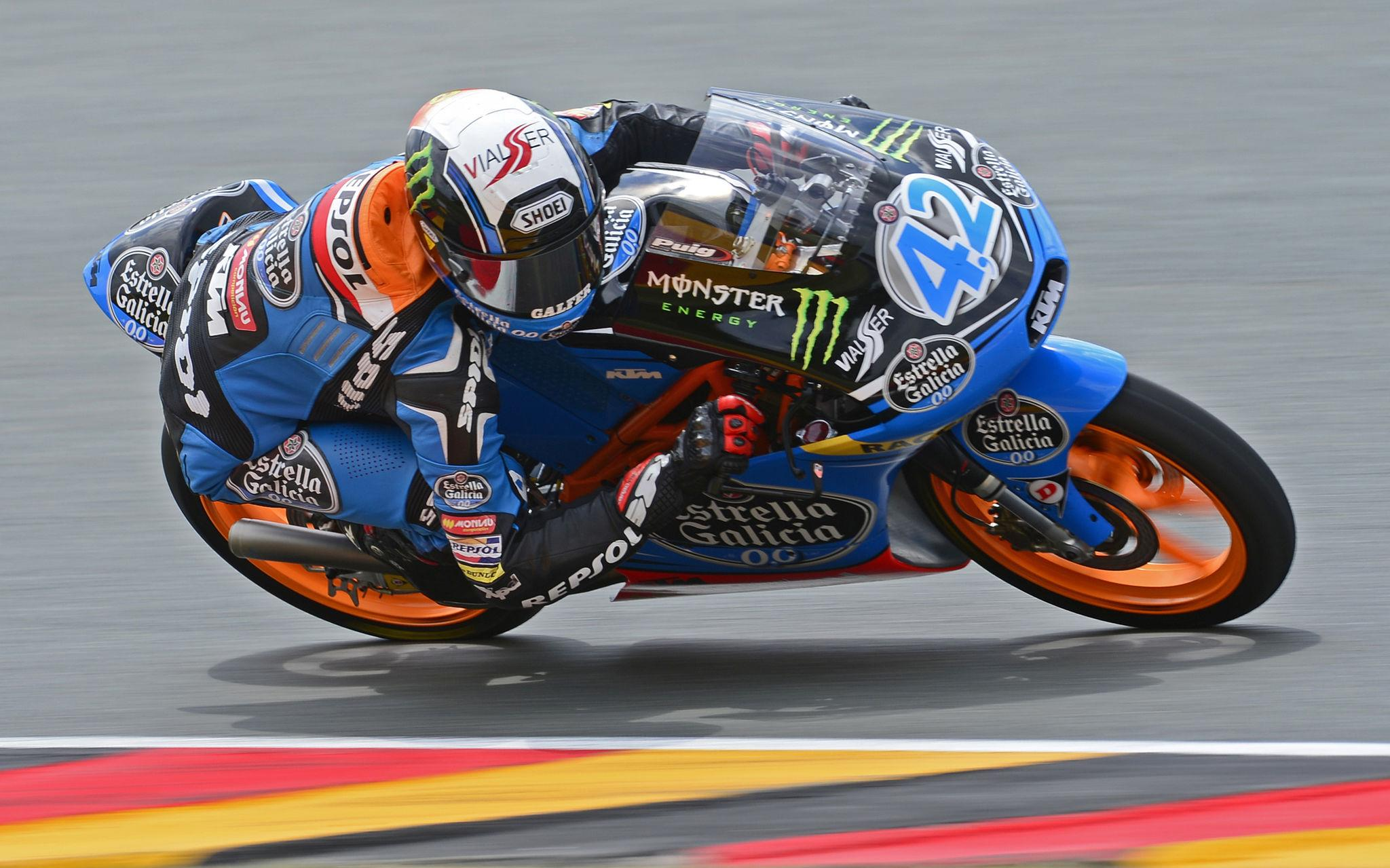
Rins built his reputation through consistency, racecraft, and an ability to extract performance under pressure. His years with Suzuki established him as one of the most reliable front-runners in the championship.


Over six seasons with the now-defunct Suzuki MotoGP project, Rins accumulated:
- Five Grand Prix victories
- Multiple podium finishes
- Championship standings of 5th, 4th, and 3rd between 2018–2020
His contribution to Suzuki’s modern MotoGP success was substantial, accounting for a majority of its race wins in that era.


Even in a competitive field that included a championship-winning teammate, Rins’ consistency and race-winning ability positioned him as arguably the team’s most impactful rider during its final years in MotoGP.
The Turning Point: Mugello 2023
Every elite sporting career has a defining moment—Rins’ came at the 2023 Italian Grand Prix.
A severe crash at Mugello resulted in a badly broken right leg, forcing him to miss most of the remainder of the season.
What makes this turning point particularly stark is the contrast with what came just weeks before:


- Rins had secured Honda’s most recent dry-weather MotoGP victory at Austin
- It was achieved in only his third race weekend with the team
The injury not only halted his momentum but introduced long-term physical and competitive consequences that continue to influence his performance today.
Yamaha Era: Struggles Beyond Fitness
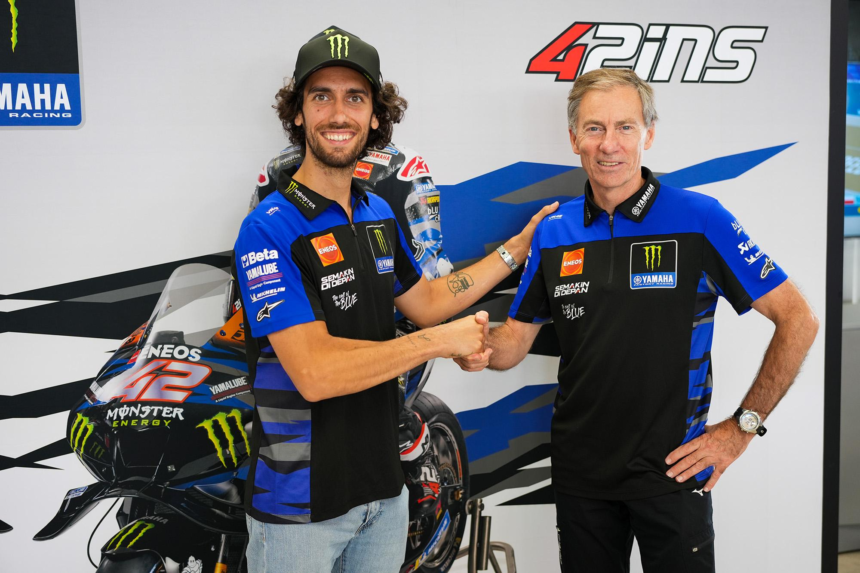
After recovering, Rins transitioned to Yamaha—a move that has yet to yield the expected results.
Performance Snapshot (2026 Season)
- 3 championship points
- Best Grand Prix finish: 14th (Brazil)
- Qualifying struggles: consistently outside top 15
While his physical condition has improved compared to 2023, the broader issue lies in Yamaha’s competitive decline. The team’s new V4 engine project has struggled to match rival manufacturers, leaving all its riders—Rins included—near the bottom of the standings.
Rins himself acknowledged the situation candidly:
“Well, there is a long time that I’m not enjoying the bike… I don’t know if I’m going to be here next year.”
This statement reflects not just frustration, but an awareness of the limited opportunities available in an increasingly competitive paddock.
The 2027 Puzzle: Limited Seats, Rising Pressure
MotoGP’s upcoming 850cc regulation overhaul in 2027 has intensified the rider market. Teams are locking in long-term strategies, often prioritizing youth, adaptability, and development potential.
Key developments affecting Rins include:
- Yamaha’s reported move to sign rising talent Ai Ogura
- A shift toward younger riders aligned with future technical projects
- Reduced demand for riders struggling to deliver results in the current cycle
With factory line-ups evolving and satellite teams seeking fresh talent, Rins’ chances of securing a full-time seat are diminishing.
Statistical Reality vs Legacy
A closer look at Rins’ recent performance highlights the scale of the challenge:
- Only five top-10 finishes in 45 races since joining Yamaha
- Ranked 18th in the 2026 standings
- Competing in a grid where margins are narrower than ever
Yet statistics alone do not capture his full legacy. Rins remains:
- A six-time MotoGP race winner
- One of the most technically refined riders of his generation
- A key figure in Suzuki’s modern MotoGP success
The tension between past achievement and present form is central to his current narrative.
Why MotoGP Is Moving On
The sport itself has evolved. Modern MotoGP demands:
- Peak physical fitness over extended seasons
- Rapid adaptation to evolving bike architectures
- Strong qualifying performance in tightly packed grids
Rins’ situation illustrates how quickly a rider can fall out of alignment with these demands—particularly after a major injury combined with underperforming machinery.
In a field where even marginal gains define outcomes, prolonged recovery periods and inconsistent results can significantly impact long-term viability.
What Comes Next?
Despite the uncertainty, several pathways remain plausible:
1. Late-Career Revival
A return to form—if Yamaha improves or another opportunity arises—could extend his MotoGP tenure.
2. Transition to Another Championship
Series such as World Superbikes may offer a competitive alternative, particularly for experienced riders.
3. Gradual Exit from Elite Racing
As suggested by current trends, 2026 could mark the final chapter of his MotoGP career.
The trajectory will largely depend on:
- Short-term performance improvements
- Market dynamics within the paddock
- Team-specific development strategies
Conclusion: A Career Defined by Highs, Tested by Reality
Álex Rins’ story is not simply one of decline—it is a case study in how elite motorsport careers are shaped by timing, technology, and resilience.
From a race-winning force at Suzuki to a rider battling for relevance at Yamaha, his journey reflects both the brilliance and volatility of MotoGP. The coming months will determine whether his career experiences a late resurgence or concludes quietly, but his contributions to the sport are already firmly established.
In a championship where the margins are unforgiving, Rins remains a reminder that talent alone is not always enough—circumstance often dictates the final outcome.