

Google One in 2026: Subscription Strategy, Bundling, and the New Value Equation
A Service Evolving Beyond Storage
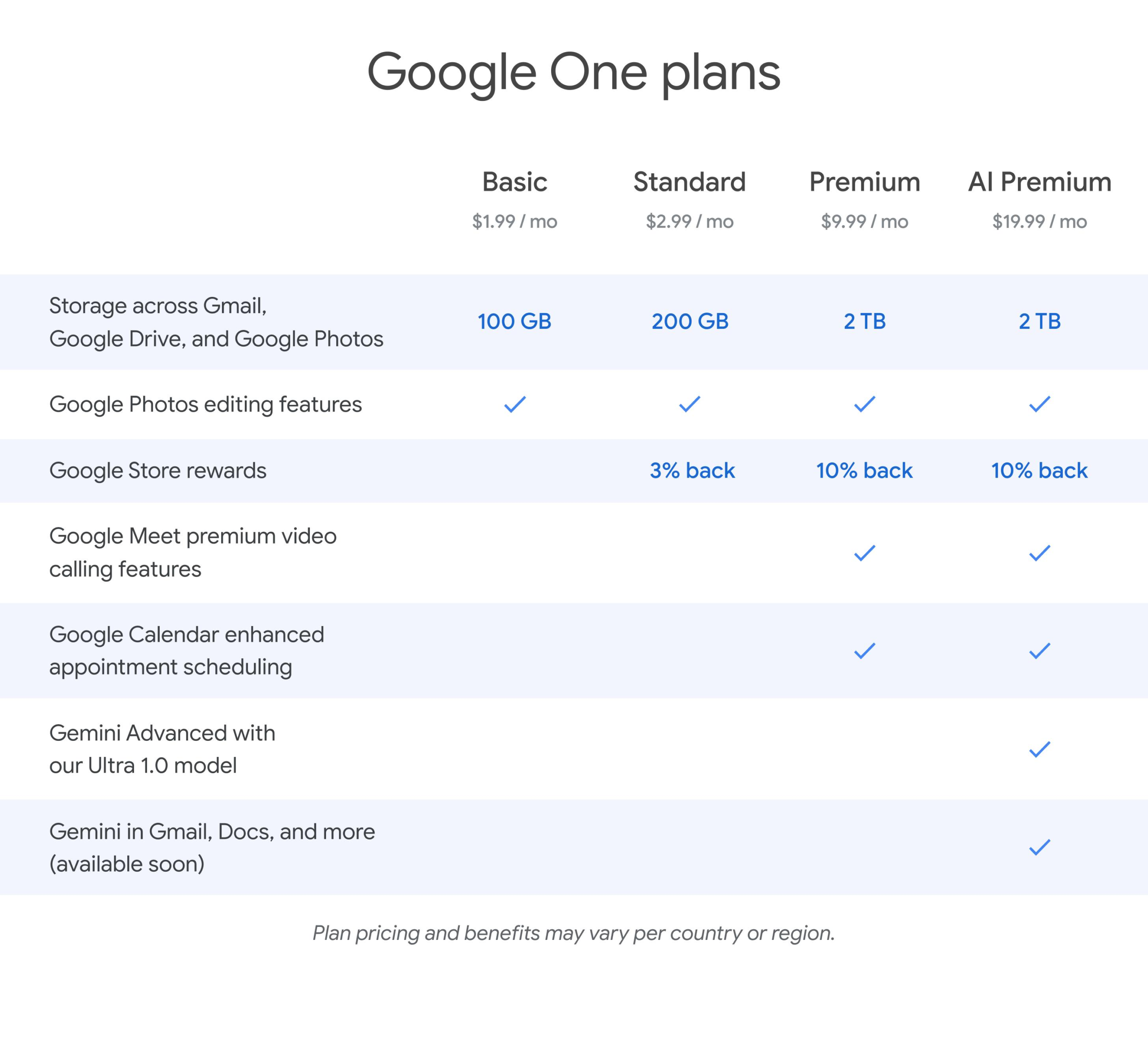
Google has steadily transformed Google One from a simple cloud storage subscription into a broader digital services bundle. Originally positioned as a paid extension of storage across Google Drive, Gmail, and Google Photos, the service now sits at the center of the company’s subscription strategy—combining storage, AI tools, and increasingly, media perks.
The latest development underscores this shift. In April 2026, Google introduced a limited-time promotion that ties Google One Premium plans to a significant discount on YouTube Premium—a move that reflects a broader push toward ecosystem bundling.
This is not just a pricing tactic. It is part of a larger recalibration of how Google packages value across its platforms.
The Headline Move: 50% Off YouTube Premium
Shortly after increasing the price of YouTube Premium to $15.99 per month, Google launched a promotion offering 50% off the service for 12 months to eligible Google One subscribers.
For qualifying users, this effectively reduces the monthly cost to around $8, translating to approximately $96 in annual savings.
However, eligibility is tightly controlled:
- Users must subscribe to Google One Premium (2TB plan at $9.99/month or higher)
- Lower tiers such as 100GB, 200GB, and AI Plus plans are excluded
- The offer is limited to select countries, including the United States, Canada, Brazil, France, Germany, and Japan
- The promotion runs until April 29, 2026
Additionally, existing YouTube Premium subscribers must cancel and resubscribe through Google One to access the discount.
From a consumer standpoint, the mechanics are slightly cumbersome—but financially compelling.
Why This Matters: Bundling as Strategy
This promotion highlights a critical strategic direction: Google is moving toward subscription consolidation.
Historically, Google monetized its ecosystem in fragmented ways:
- Ads (Search, YouTube)
- Storage (Google One)
- Hardware (Pixel, Nest)
- Apps and services (Workspace, YouTube Premium)
Now, the company is increasingly linking these revenue streams into unified bundles.
Key Implications
1. Increased Perceived Value
Instead of paying separately for storage and streaming, users perceive a bundled offering as more cost-efficient—even if total spend remains similar.
2. Reduced Churn
Subscribers with multiple benefits tied to one account are less likely to cancel. Storage, AI tools, and media consumption become interdependent.
3. Competitive Positioning
This approach mirrors strategies used by competitors offering bundled ecosystems (e.g., streaming + cloud + productivity).
What Google One Actually Includes Today
While the YouTube Premium discount has drawn attention, it sits within a broader package.
Core Features
- Cloud Storage (starting from 100GB to multi-terabyte plans)
- Google Drive, Gmail, and Photos integration
- Family sharing options
- Security features (VPN, dark web monitoring in some regions)
AI Integration
Google has increasingly layered AI capabilities into its plans:
- Google AI Pro (expanded storage up to 5TB recently)
- Access to advanced tools powered by Gemini AI
- Productivity enhancements across Google apps
Premium Tier Differentiation
- AI Plus: Entry-level AI features
- AI Pro: Larger storage + enhanced AI tools
- AI Ultra: Includes YouTube Premium outright (no add-on required)
This tiered structure allows Google to target different user segments—from casual cloud users to power users and professionals.
The Economics: Does the Bundle Make Sense?
For users already paying for cloud storage, the numbers are straightforward.
- Google One (2TB): $9.99/month
- Discounted YouTube Premium: ~$8/month
- Combined: ~$18/month
Compared to paying separately:
- YouTube Premium alone: $15.99/month
- Storage + Premium: significantly higher without bundling
This creates a clear arbitrage opportunity for users already within the ecosystem.
However, the value depends on usage patterns:
Ideal Candidates
- Heavy YouTube users (daily consumption)
- Users already paying for cloud storage
- Individuals—not families (since the discount excludes family plans)
Less Suitable Users
- Casual YouTube viewers
- Users on lower storage tiers
- Households needing shared subscriptions
The Trade-Offs and Limitations
Despite the attractive pricing, several constraints limit the offer’s universality.
Geographic Restrictions
The promotion is only available in a handful of countries. This excludes large markets, including much of Africa, where Google services are widely used but not equally monetized.
Plan Restrictions
Only higher-tier subscribers qualify, reinforcing a premium upsell strategy rather than a mass-market discount.
Temporary Nature
The discount lasts 12 months only, after which prices revert to standard rates.
This creates a classic subscription funnel:
- Lower entry price
- Habit formation
- Full-price retention
A Response to Rising Prices
The timing of the offer is not incidental.
YouTube Premium’s price increase—from $13.99 to $15.99 per month—triggered concerns among users about rising subscription costs.
By introducing a bundled discount immediately after the price hike, Google achieves two objectives:
- Softens backlash from existing users
- Incentivizes upgrades to Google One Premium tiers
This is a standard pricing strategy in subscription economics: increase baseline pricing while offering targeted discounts to maintain growth.
The Broader Trend: Subscription Convergence
Google’s move aligns with a wider industry trend: subscription convergence.
Companies are increasingly bundling services across categories:
- Storage + productivity
- Streaming + music
- AI tools + cloud infrastructure
In Google’s case, the integration is particularly powerful because:
- YouTube dominates video consumption globally
- Google Drive anchors productivity workflows
- AI tools are becoming essential utilities
The combination positions Google One as more than storage—it becomes a gateway to the entire Google ecosystem.
What Comes Next?
Several developments are likely if this strategy continues.
1. Expansion of Bundles
Google may integrate more services into Google One, including:
- YouTube Music enhancements
- Workspace features for individuals
- Additional AI capabilities
2. Regional Rollouts
Current geographic limitations suggest a phased expansion. Markets outside North America, Europe, and Japan may be included later.
3. More Tier Differentiation
Expect clearer segmentation between:
- Casual users (low-cost tiers)
- Power users (AI + storage + media bundles)
4. Pricing Experiments
Google is likely to continue testing combinations of:
- Discounts
- Add-ons
- Bundled subscriptions
Conclusion: Google One as a Platform, Not a Product
Google One’s evolution reflects a broader shift in how technology companies think about subscriptions. What began as a straightforward cloud storage offering is now a multi-layered service platform combining storage, AI, and entertainment.
The YouTube Premium discount is not just a promotional tactic—it is a signal of intent. Google is positioning Google One as the central hub for its paid ecosystem, using bundling to increase value, reduce churn, and compete more effectively in a crowded subscription market.
For users, the calculus is increasingly simple: the more deeply they are embedded in the Google ecosystem, the more compelling the bundle becomes.


