
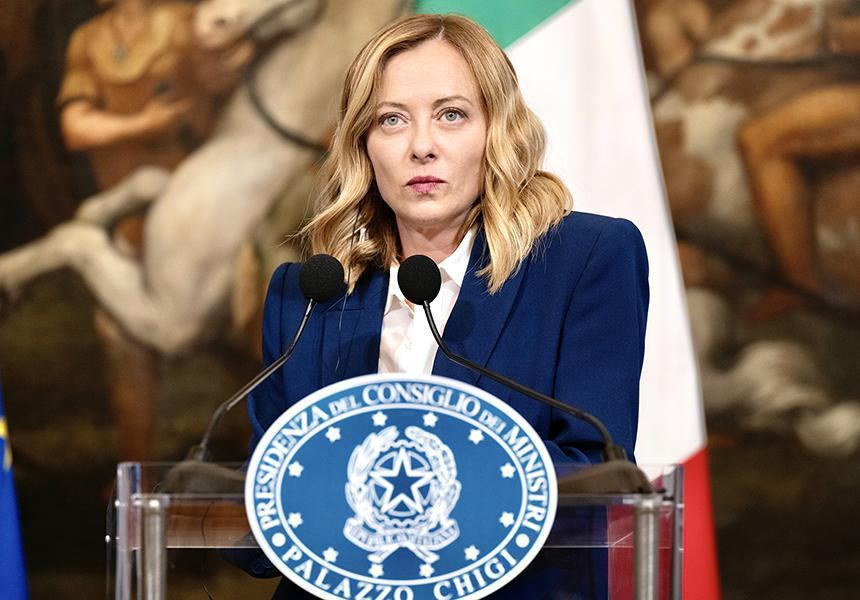
Italian Prime Minister: Power, Pressure, and a Defining Moment in Global Politics
A Leadership Role at the Center of Global Tensions
The office of the Italian prime minister has long been central to shaping both domestic governance and Europe’s broader political direction. In 2026, that role has taken on heightened global significance under the leadership of Giorgia Meloni, whose decisions are now influencing not only Italy’s internal policy trajectory but also its position in a rapidly shifting international order.
Recent developments have placed the Italian government at the intersection of geopolitical conflict, diplomatic friction, and economic uncertainty. From tensions in the Middle East to disagreements with key allies, the prime minister’s office is facing a defining test of leadership, strategy, and political resilience.
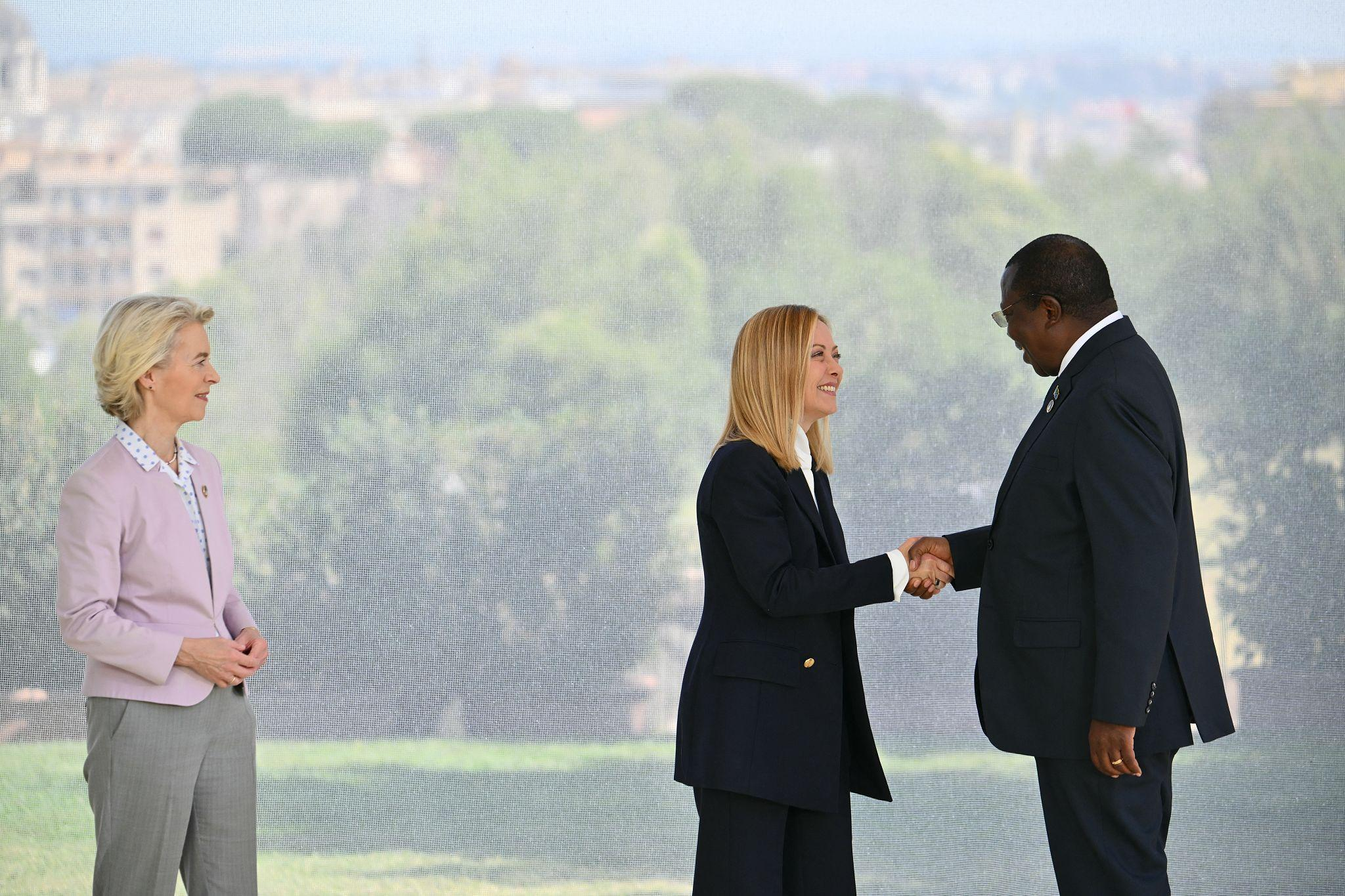
The Office of the Italian Prime Minister: Context and Authority
Italy’s prime minister serves as the head of government, responsible for directing national policy, coordinating the cabinet, and representing the country on the international stage. Unlike presidential systems, the role is deeply tied to parliamentary dynamics, coalition-building, and political negotiation.
Under Meloni’s leadership, the office has taken on a more assertive ideological tone, reflecting her conservative political base while navigating the complexities of European Union commitments and NATO alliances. This balancing act has become increasingly difficult as global conflicts intensify.
A Diplomatic Rift: Italy and the United States
One of the most consequential recent developments involves a public and escalating disagreement between Italy and the United States, led by Donald Trump.
In a pointed interview, Trump criticized Meloni’s stance on the Iran conflict, stating:
“I’m shocked at her. I thought she had courage, but I was wrong.”
The remarks followed Italy’s refusal to support U.S.-aligned military actions and its reluctance to engage in operations linked to the Strait of Hormuz crisis. Trump further suggested that Meloni had failed to assist in maintaining global energy routes, intensifying the diplomatic strain.
This exchange marks a notable shift in tone between two leaders who previously maintained a close political relationship. It also underscores a broader fracture within Western alliances, particularly as European nations reassess their roles in Middle Eastern conflicts.
Italy’s Strategic Shift on Israel and the Middle East
Compounding the tension is Italy’s decision to suspend the renewal of its defense cooperation agreement with Israel. The agreement historically facilitated military equipment exchange and joint research initiatives.
Meloni confirmed the move, stating that the decision was made:
“In light of the current situation, the government has decided to suspend the automatic renewal of the defence agreement with Israel.”
This step reflects a recalibration of Italy’s foreign policy, influenced by:
- Escalating regional conflict involving Iran
- Concerns over military operations affecting Italian personnel abroad
- Increasing domestic pressure to avoid deeper involvement
The decision has drawn criticism internationally, including from Israeli political figures, while also signaling Italy’s attempt to maintain a more independent diplomatic posture.
The Vatican Factor: Religion and Political Messaging
Another layer of complexity emerged from Meloni’s response to Trump’s criticism of Pope Leo XIV.
Meloni publicly condemned Trump’s remarks, calling them:
“unacceptable”
She emphasized the Pope’s role as a moral authority advocating for peace, stating:
“The Pope is the head of the Catholic Church, and it is right and normal for him to call for peace and to condemn every form of war.”
This intervention highlights the unique intersection of religion and politics in Italy, where the Vatican remains a significant cultural and diplomatic influence. It also positioned Meloni as a defender of institutional respect, even at the risk of escalating tensions with a key ally.
Energy Policy and Economic Pressures
Beyond diplomacy, economic realities are shaping Italy’s policy decisions. The ongoing conflict has driven up global energy prices, placing pressure on Italy’s import-dependent economy.
Meloni has taken a cautious stance on energy diversification, particularly regarding Russian gas. She stated it is:
“too early to consider using Russian natural gas”
and emphasized that economic pressure on Russia remains:
“the strongest weapon to promote peace.”
This approach reflects a strategic attempt to balance:
- Energy security concerns
- Sanctions and geopolitical commitments
- Domestic economic stability
However, rising costs and supply uncertainties continue to test the government’s economic resilience.
Domestic and Political Implications
Meloni’s international decisions are closely tied to internal political dynamics. Italy is experiencing:
- Economic strain due to inflation and energy costs
- Political pressure following policy debates and reforms
- Public sensitivity to foreign military involvement
Her government’s positioning—distancing from both U.S. military strategy and Israeli cooperation—suggests a recalibration aimed at maintaining domestic support while preserving international credibility.
At the same time, Italy’s Foreign Minister Antonio Tajani reinforced the country’s alliance with the United States, stating that cooperation must be grounded in:
“loyalty, respect and mutual frankness.”
This reflects an attempt to contain diplomatic fallout while preserving long-standing partnerships.
A Broader Shift in Western Alliances
The developments surrounding Italy’s prime minister are not isolated. They are indicative of a larger transformation within Western alliances:
- Diverging approaches to the Iran conflict
- Increased emphasis on national autonomy in foreign policy
- Growing tensions between political leaders and institutions
Meloni’s stance illustrates how European leaders are navigating a more fragmented geopolitical environment, where alignment is no longer automatic and domestic considerations increasingly shape international decisions.
What Comes Next?
The trajectory of Italy’s leadership under Giorgia Meloni will depend on several evolving factors:
- The direction of the Iran conflict and broader Middle East stability
- Energy market fluctuations and supply chain adjustments
- The durability of transatlantic alliances
- Domestic political support and economic performance
If tensions persist, Italy may continue to pursue a more independent diplomatic path, redefining its role within both the European Union and NATO frameworks.
Conclusion: A Defining Period for Italy’s Leadership
The role of the Italian prime minister has entered a period of heightened complexity. Giorgia Meloni’s leadership is being tested across multiple fronts—diplomatic, economic, and political—at a time when global stability is increasingly uncertain.
Her decisions in recent weeks reflect a careful, and at times controversial, balancing act: maintaining alliances while asserting national interests, responding to global crises while managing domestic expectations, and navigating ideological commitments within a rapidly changing world order.
The outcome of this moment will likely shape not only Italy’s future direction but also its influence within the broader international system.


